The Bali Bargain: What Compromises Do We Make For Affordable Tourist Destinations?
Cassie is an Aussie of Balinese heritage who returns to Indonesia every year to visit family. She reflects on the current state of a nation very close to her heart.
The recent grounding of flights in and out of Bali left thousands of Aussie travellers stranded in airports. It was a lesson in the importance of travel insurance for some unlucky holiday goers and highlighted just how many of us flock to an island one-thirteenth the size of Tasmania.
Bali had a troublesome yet humble beginning. Emerging from the ashes of a tumultuous Indonesia, Bali began as a surfers’ haven. Nestled only a few hours North of Western Australia, the untouched beaches of Bali offered incredible swells and cheap holidays. Today, Bali has become synonymous with bargaining, Bintang and beaches. Tourism is so important in Bali these days it accounts for almost a third of Bali's Gross Regional Domestic Product (GRDP) and almost a quarter of the Balinese workforce is employed in the tourism sectors.
How is it possible for an island half the size of the Sydney Metro area to ethically and ecologically accommodate millions of tourists?
Tourism is a double edged sword. It has aided in defeating extreme poverty; however, it has also contributed to the creation of several potential catastrophes. An abundance of foreign interest is destroying the foundations of Balinese tourism: culture and nature. Tradition and tourism are butting heads like two rams, failing to co-exist without jeopardising one another.
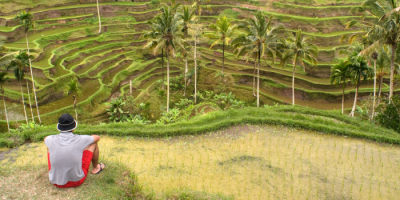
A looming water crisis, a literal rubbish mountain and controversial dredging culminate into a trifecta of ecological issues currently facing the small island. The water centric culture is in strife with major agencies suggesting Bali is in the midst of a major water catastrophe. A water crisis on a tropical island where it rains almost endlessly for three months seems illogical, and yet… The destruction of traditional rice irrigation, used as catchments, and the funnelling of clean water towards tourism precinct has left 1.7 million Balinese without access to adequate clean water. The Japan International Cooperation Agency reports that one room in a star rated hotel requires approximately 3,300L of water per day, whereas the average person in Denpasar consumes only 220L of water per day.
Unlike nearby islands, Bali’s poverty rates are decreasing. Critical funding for key areas such as education, public transport and health is gaining momentum; however, the income gap is broadening dramatically. Affluent, tourist orientated areas boom whilst rural traditionalist are left behind struggling with little access to affordable health care or educational resources. Southern Bali is approximately six times wealthier than its rural counterparts.
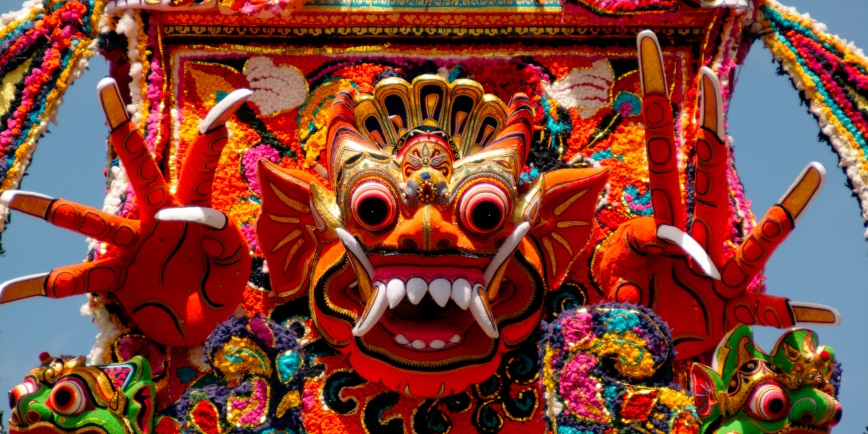
The ancient and unique culture of the Balinese has also been tainted for tourism. Speaking to World Crunch, Ketut Yuliarsa – a poet and stage director from central Bali – says, “We used culture like merchandise.” The Balinese are deeply rooted to their religion and ancestral past. Temples, family and prayer are ingrained within the daily routine. But, in order to appease tourists, customary practices have been adapted to be more entertaining. A common example is the Barong dance: a tale of good and evil which has been morphed to include other Balinese myths to create more excitement. Yuliarsa goes on to discuss how mass tourism is “disrupting their practices: the diversity of local cultures and the specificity of rituals is being unified, homogenized. We offer a standardized 'package' to foreigners.”
And yet, here we are…
It’s ironic that both the problem and the solution remain the same: tourism. A Bali without tourism is a Bali in strife. The quiet and eerie streets after the 2002 Bali Bombings hinted at the dire straits Bali would be left in without tourism. Is there a way to travel to Bali without contributing to these struggles? Yes. However, this requires joint conservation efforts and thoughtfulness from tourists.
Many locals are already working hard to change the direction of Bali with local celebrities such as rock band Superman Is Dead leading the charge. Green tourism, environmentally aware students and a return to traditional architecture incorporating bamboo is slowly turning the tide to revolutionise the island. Travelling thoughtfully with water conservation and cultural awareness is also paramount.
Is Bali struggling? Maybe, but it can be helped. A joint effort between the government, foreigners and locals is necessary in order to preserve a unique culture and to keep the smiling island grinning.
Do Australian travellers need to be more informed about the places they visit? Or is it the responsibility of the nations they visit?
Cassie Ngurah is one of Student Edge’s student contributors. Learn more about our contributors program.
Topics
Ref: 9211b890-7ef2-4862-baaa-a4e600356cb3





Comments & Feedback
Share your opinion
Emoji cheatsheet Formatting Comment guidelines