The TGA Has Approved the Moderna COVID-19 Vaccine: Here’s What You Need to Know
Jab 3.0 is here.
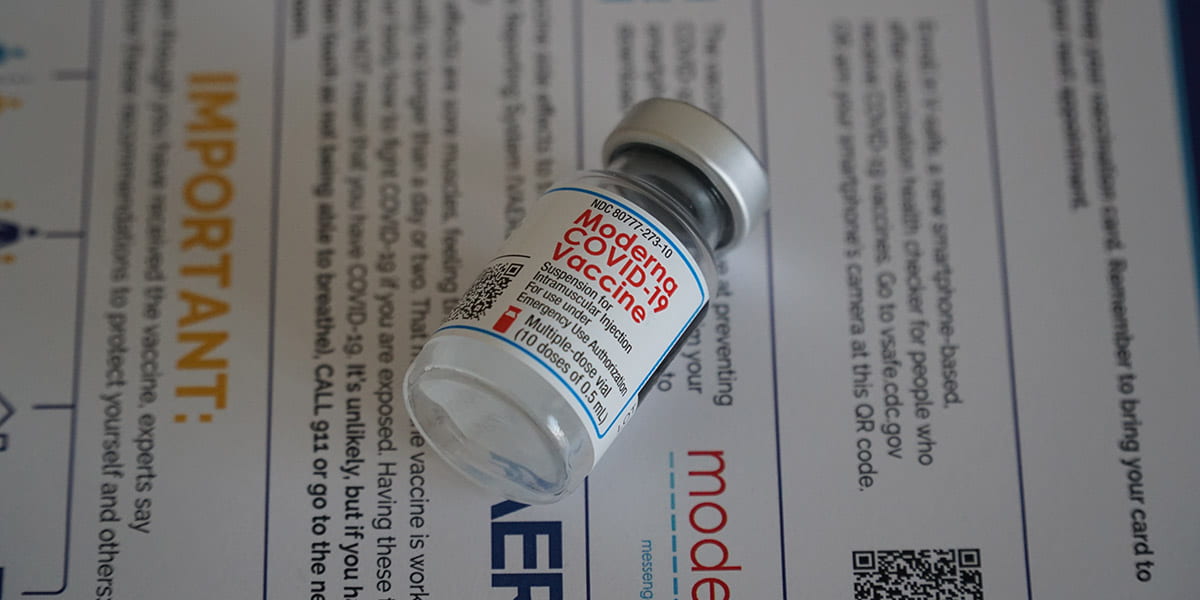
Good news for Australia’s slow but steady vaccine rollout: the Therapeutic Goods Administration (TGA) has finally approved the Moderna COVID-19 vaccine for use in Australia.
This means that one million doses of the jab are set to arrive on Aussie shores next month, with a total of 10 million ordered for the rest of the year.
So, whether you’ve already had your first jab of Pfizer or AstraZeneca, or you’re still waiting to become eligible, you’re probably wondering what Moderna is, how well is works, who can get it, and what the side effects may be.
Let’s break it down.
How does the Moderna vaccine differ to the others?
Just like Pfizer and AstraZeneca, the Moderna COVID-19 vaccine is one of the world's most popular coronavirus jabs. It is the most used vaccine in the US and is administered in two doses just like its counterparts.
Moderna is very similar to Pfizer in that it is an mRNA vaccine. Both contain some genetic material matter called mRNA, and when this is injected into a person, the body grows a “spike protein” of SARS-CoV-2, which ultimately makes the body react with an immune response that it will remember when it comes into contact with the real and active virus.
The amount of vaccine present in each Moderna dose is slightly more than the amount in the Pfizer dose, and each Moderna jab is recommended to be administered 28 days apart.
hot take: romeo and juliet but it's pfizer vs moderna
— Lettie Dyer (@lettiedyer_) August 4, 2021
How effective is Moderna?
As we know, all the available COVID-19 vaccines have an effectiveness rating above 90 per cent (which is awesome), and Moderna is no different.
In fact, TGA’s Professor John Skerritt explained that the vaccine is at least 98 per cent effective against the virus.
“Even after six months, it’s proving to be 93 per cent efficacious against any infection, 98 per cent against severe disease and 100 per cent against death, and that’s really exciting,” he said.
“It’s very exciting to see such sustained activity of that vaccine six months after.”
Unfortunately, it’s not yet known how effective Moderna is against the Delta strain of the virus in particular, but Professor Skerritt is confident that it is effective against “any infection.”
When will we be able to get the jab?
Since gaining TGA approval on Monday afternoon, it has been announced that Australia will start receiving the jab and distributing it into pharmacies in September. This means that some lucky ducks could get it as early as next month.
Unfortunately, we still don’t have a solid date for administration just yet, so it’s still a waiting game. But if you’re currently eligible for any other vaccine it’s best not to wait for Moderna.
The best vaccine you can get is the one that’s available to you right now. Check out the government’s eligibility checker or book an appointment with your GP.
Update
— The Blue Rose Queen 💙 (@Chloe05726593) August 8, 2021
Australia
Moderna to arrive in September
Perfect
👏👏👏 pic.twitter.com/qwBw105eiM
Who is eligible for Moderna?
So far, TGA approval for Moderna only extends to those aged 18 years and older, so if you’re still in high school or are underage you might have to wait a little longer for this one.
However, the Sydney Morning Herald has reported that Moderna is considering trialling vaccines for children under 12 in Australia, and the TGA has confirmed it will be making a decision about this trial in the next few weeks.
“The data on the teenagers does look good,” Professor Skerritt said in a press conference on Monday afternoon.
“We should be able to make a decision again convening the expert advisory committee within the next three or four weeks on an application for use in 12 and over.”
As for the rest of us over 18s, it’s looking like people in COVID-19 hotspots like Sydney, Melbourne and Brisbane, will have access first up, then everywhere else will receive their doses.
What if I’ve already had a Pfizer or AstraZeneca jab?
While there have been talks about the possibility of mixing vaccine doses, the TGA recommends that if you have already had one vaccination, you should get the same type for your second dose.
Considering Pfizer should likely start becoming more available to younger Aussies by September and October, and we currently have a surplus of AstraZeneca in Australia, it makes no sense to wait for a whole new vaccine.
However, regardless of what jab you’ve had in the first instance, a large chunk of the Moderna vaccines are expected to be used as “booster shots” in 2022.
What are the side effects?
For those of you who are a little iffy about needles, there’s very little to worry about.
According to the American Centres for Disease Control and Prevention (CDC), US citizens who have received the Moderna jab have experienced similar mild side effects to the other two vaccines being rolled out in Australia.
These include reports of pain, redness and a bit of swelling around the location of the vaccine. Tiredness, headache, muscle pain, chills, a sore arm and a fever have also been documented, but all pass within a few hours or days.
Much like Pfizer, it has also been reported that these side effects were more present after the second dose of the vaccine, instead of the first.
While these side effects don’t sound very nice, they’re all waaay better than catching COVID-19 and putting your health or your loved ones health at further risk.
If you’re still tossing up which vaccine you should get, check out our article here, or contact your local GP for any questions.
Header Image: Ian Hutchinson via Unsplash
Topics
Ref: 0b535e06-5a47-4839-bace-ad8000525e33





Comments & Feedback
Share your opinion
Emoji cheatsheet Formatting Comment guidelines