The Significance Of A Refugee Team At The Rio 2016 Olympic Games
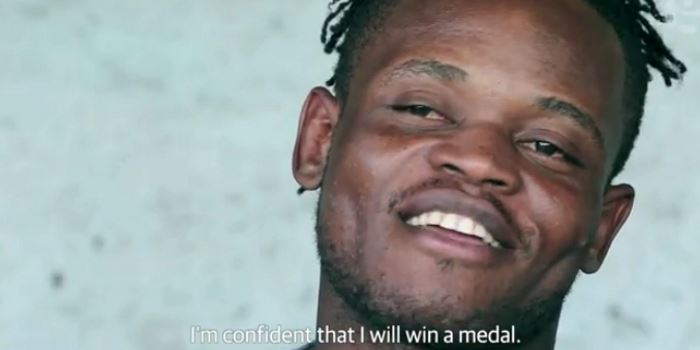
Every four years, the world prepares itself for one of its biggest sporting events: the Olympic Games. But the 2016 Rio Olympics will redefine this historic competition.
The premise of the Games is simple: representatives of different nations run, swim or do other athletic things to win a medal for their nation. But with a worldwide refugee population that almost rivals that of Australia (the UN places the figure at 19.5 million as of 2014), the International Olympic Committee has decided to make a new team to represent those who have fled from their homes; a group of people which has grown considerably in the last few years. More than forty displaced athletes hope to be among the ten selected to compete under the Olympic Flag and, with any luck, receive a medal to the sound of the Olympic Anthem. Two of these hopefuls are Syrian sisters, Ysra and Sarah. According to the Associated Press, the sisters were forced to jump overboard during their second attempt to enter Greece from Turkey. Aboard an inflatable raft pushed to its absolute limit, they knew they had to unburden the load to give the other passengers a chance at surviving the journey. As two of Syria’s best swimmers, the sisters knew they could make it. They did make it. Now in Germany, they are training in the pool originally built for the 1936 Berlin Olympics. However, their new coach is uncertain about how their careers as athletes might ensue, stating, “they can swim at the highest level for the Arab world, but there's a difference to Europe because of the training conditions.” Nevertheless, the sisters’ Olympic dream might be realised later this year. So might those of Popole Misenga and Yolande Mabika, judoka from the Democratic Republic of Congo, who are also contenders for a place on this small team of refugees. Brazil’s strong, refined tradition in judo (which has won it 19 Olympic medals for this sport alone), has taught the two athletes how to perfect their skills. Despite the two hour commute each way to get to training, Misenga has said he “can feel in [his] body what was missing before in [his] judo.” Although their participation is not yet confirmed (the refugee team will be announced in June), both yearn to compete in the Olympics. Misenga described this opportunity as, “my dream, and the dream of many Africans. The IOC is recognising us as human beings and giving us an opportunity.” He adds, “I will be competing for all refugees.” What are your thoughts on Rio’s decision to include a team of refugees? Photo: The Guardian / YouTube.Susan Alfayadh is one of Student Edge’s student contributors. Learn more about the contributors program.
Topics
Ref: ba514e0b-ce59-4dcf-affa-a5df001dcba9

Most Popular



Comments & Feedback
Share your opinion
Emoji cheatsheet Formatting Comment guidelines
Amazing what people can do, especially in such conditions this world has. All respect :)
That is truly amazing. Rio remembers that the games were made so that people would live and start to heal from the war they had experienced.