Culls Are Not The Answer: Our Ecosystem Needs Sharks, And Here's Why
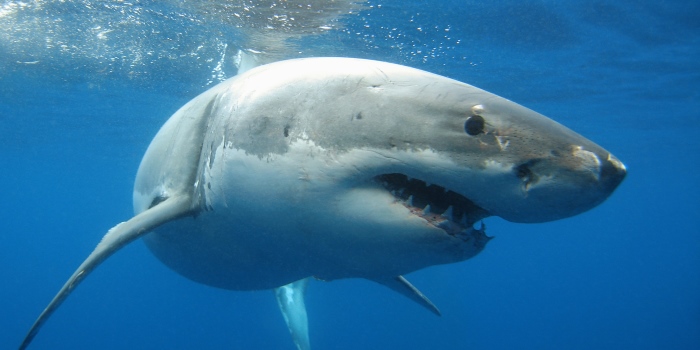
Two shark attacks have occurred in Western Australia within a week of each other, sparking debate of shark culling.
Ben Gerring, who was surfing south of Perth, was attacked by a great white shark on May 31. His leg was severed above his knee but he still managed to get to a hospital. Despite the efforts of fellow surfers who risked their own lives to aid him, Gerring passed away on June 3.
Within another week, tragedy struck again. Doreen Collyer was diving just off of Perth’s coast when she was fatally attacked by a great white. She and her swimming partner were rescued by three people on a fishing trip, but by the time they reached land, she’d died from her injuries.
Due to encounters between sharks and humans being threatening and even fatal, the word ‘shark’ brings many words to mind: ‘predator’, ‘dangerous’, ‘horrific’, ‘vicious’. But despite the evidence that sharks do attack, are these really the words to sum up the species?
According to Discovery, sharks kill, on average, 10 people a year, worldwide. However, humans kill approximately 30 million sharks a year. (That’s considered a hugely conservative estimate, with one study saying the range could be anywhere between 63 and 273 million sharks killed per year.) This is a saddening statistic on both ends. Yes, the ocean belongs to the creatures that live in it, but it’s also to be shared. Gerring and Collyer weren’t animal abusers, or people who sought after sharks to destroy them. They were innocents who were simply enjoying the beauty and adventure that the sea provides.
Still, sharks kill people, as do cows, dogs, and even horses. However, the 30 million (or more) dead sharks cause a problem of their own. Like it or not, we need sharks. They’re apex predators that feed off fish and other ocean creatures, creating a balance within this most important ecosystem. They keep the ocean clean by eating animals that would otherwise overpopulate the waters and destroy fisheries and coral reefs.
Why We Need Sharks:
Okay, so sharks eat groupers and groupers eat parrotfish. Parrotfish, meanwhile, are needed to keep coral algae-free. Without sharks, the grouper population would spike, reducing the population of parrotfish and destroying coral reefs. In places where shark populations have decreased, this exact situation had occurred.
Not only do sharks eat groupers, they also eat sick or old fish. If they didn’t, disease would surely spread and our food could be contaminated.
There are many other reasons as to why we need sharks, but when it comes down to it, we aren’t really in a place to decide whether or not a species deserves to exist, especially when we don’t know the consequences. Everything has a purpose.
As much as people despise sharks, and the destruction they can cause, they’re beautiful and necessary creatures that are embattled by stereotypes. Honestly, there’s so much we don’t know about sharks. What we do know is that we need them.
And yet, Australia’s commercial fishing sector is once again calling for a shark cull.
The Argument Against Culls:
Gerring’s father has rejected the idea of culls, even suggesting that “instead of shooting sharks, let’s tag them.”
He had also stated that his family has always regarded the ocean and its inhabitants with appreciation: “Thirty-plus years of this ocean and we’ve had our brushes but the boys have always had a healthy respect for the ocean and what was in it.”
Gerring’s brother didn’t blame the shark either, but the state government, saying, “more needs to be done and quickly,” calling on further funding of boats to warn people of sharks within the area.
How To Stay Safe:
Sharks don’t attack humans that often, but when they do it’s usually due to mistaken identity or pure curiosity. To sharks, we can look like a sea turtle or a sea lion, but in reality, we don’t provide enough energy for them and they realise as soon as they attack.
The ones that do ‘maul’ and ‘murder’ are doing so because they’ve become defensive. Though these predators soon realise their mistake, we understandably fight back, so they do too, using what they have to defend themselves: their teeth.
Every time a person is harmed by a shark, it’s horrible, and you can only imagine the fear people experience when they’re in this situation. How do we prevent them in the first place?
Some of many helpful tips include:
- Avoid the water at night, dawn, or dusk, as it’s when they’re most active.
- Swim in groups and close to shore.
- Don’t splash too much as the movement will gain attention.
- Avoid shiny jewellery, as the reflection is similar to that of fish scales.
- Use caution at steep drop-offs, as sharks often swim there.
Be safe out there.
Photo: iStock.
Topics
Ref: ecaf86ec-bf57-46fc-8ba5-a61e0073b6a7



Comments & Feedback
Share your opinion
Emoji cheatsheet Formatting Comment guidelines