Sexual Assault on Campus: Have Aus Unis Improved Since Last Year's Eye-Opening Report?
Trigger Warning: This article discusses sexual assault and rape.
On the first day of August in 2017, the Human Rights Commission released the results of a survey that had been more than a year in the making.
The survey asked 30,000 students from 39 universities around Australia about their experiences of sexual harassment and sexual violence on campus, and how their respective universities responded. And the survey confirmed: there was a problem.
It found that 51 per cent of the students who responded had been sexually harassed on at least one occasion in 2016, and that 6.9 per cent (or around 2,000 students) had experienced sexual assault on at least one occasion during 2015 and/or 2016.
Up until then, there had been complaints of a growing epidemic that wasn't being addressed, and the survey's results legitimised these accounts. No longer could people dismiss the facts.
In response, the peak body for universities, Universities Australia, proposed a 10-point action plan and all 39 universities around Australia went on record to commit to it.
As we approach the one-year anniversary from that commitment, we decided to ask some universities around Australia (as well as some Women’s Collectives or student representatives on campus) about what’s been put in place and what else is in the works.
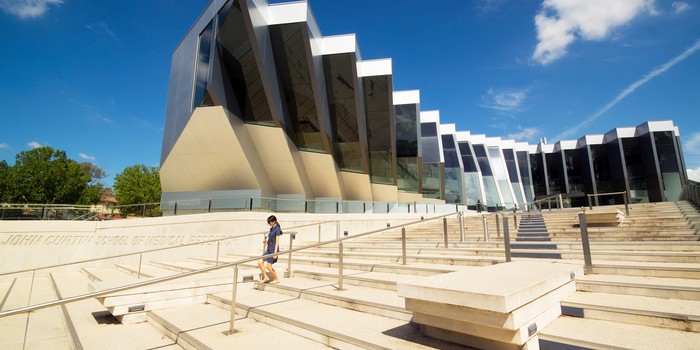
Australian National University (ACT)
A spokesperson at the university confirmed ANU has contracted Canberra Rape Crisis Centre to provide specialist counsellors to be on campus five days a week and trained all residential student leaders and some senior staff on how to respond to students who come forward about sexual misconduct.
They've also made mandatory an online consent training program, Consent Matters, which has been completed by 6,800 students already.
While they admit that a number of commitments are yet to commence (including another survey to gauge more recent incidences of sexual misconduct) many of them are in the planning stages.
"We are committed, as a university, to listen and learn from our students," the spokesperson said.
"[We] will, therefore, do all we can to continue engaging deeply with students to progress this important issue."
But Laura Perkov, the Women's Officer for ANU Students’ Association told Student Edge a different story.
"On paper, ANU looks like it has made quite a lot of progress, and perhaps even more so compared to other universities," Laura admitted in an email.
"But, there has not been significant change on the ground in terms of outcomes for students," adding that they "are yet to see an ANU-developed campaign addressing awareness of available services."
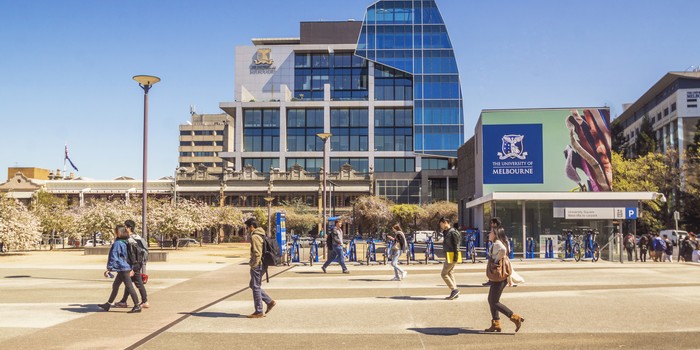
Melbourne University (VIC)
Since the survey came out, Melbourne University has created a Respect Taskforce, chaired by Professor Richard James, Deputy Vice-Chancellor and Deputy Provost (Academic and Undergraduate), aimed at tackling the issues that were highlighted.
A spokesperson for the university told Student Edge this has seen a communication campaign that aims to emphasise the zero-tolerance approach to sexual violence, the introduction of the Consent Matters online course, and a review of student conduct and complaint policies.
The spokesperson explained that the university has worked closely with students to enact these initiatives and that feedback so far has "generally been positive."

University of Sydney (NSW)
The University of Sydney (USYD) has been working on a number of initiatives since August last year in order to make sure that "everyone in our community has the right to feel safe and supported."
Some of the initiatives include establishing a single helpline (1800 SYD HLP) that will offer assistance to victims at different stages; face-to-face training on consent and appropriate behaviour with student leaders; and first responder and bystander training to resident advisors, student leaders and student-facing staff.
They too have introduced a compulsory online training module for commencing students, with 23,000 students enrolled and more than 18,500 having completed it.
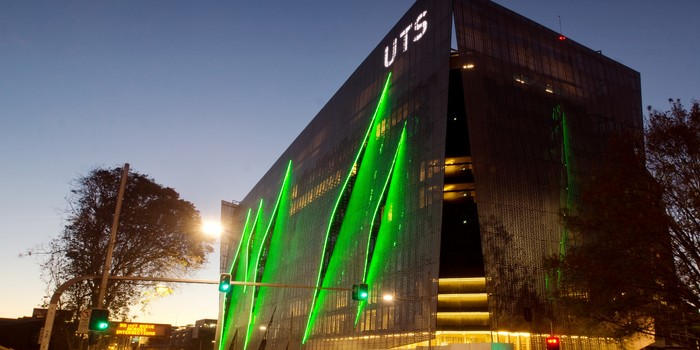
University of Technology, Sydney (NSW)
In response to the issues highlighted in the Change the Course report, UTS has decided to take a student-centred approach by getting feedback and advice on changes through a Student Consultative Group.
They've introduced a range of training programs targeted at student leaders in residential colleges, and will also be rolling out the mandatory Consent Matters training module for all staff and students this year.
Talking about #consent tonight at UTS, involving students to contribute to the conversation about creating respect on and off campus. #ConsentMatters #WannaSpoonAskFirst pic.twitter.com/XQT2mVsXlk
— Social Justice UTS (@UTSSocialImpact) April 12, 2018
But while the introduction of a mandatory online consent training module might be a welcome addition for many on campus, the Women’s Officer for UTS, Lana Miletich, says the university hasn't shown the student consultative group what it even looks like.
"Students were never consulted in the development process of the training course," Miletich told Student Edge in an email.
"We won't know what is in the course until it is released to everyone."
But Miletich maintains UTS has been "quite quick in implementing the changes that they promised" in other aspects of their commitment.
iStock.com/CUHRIG
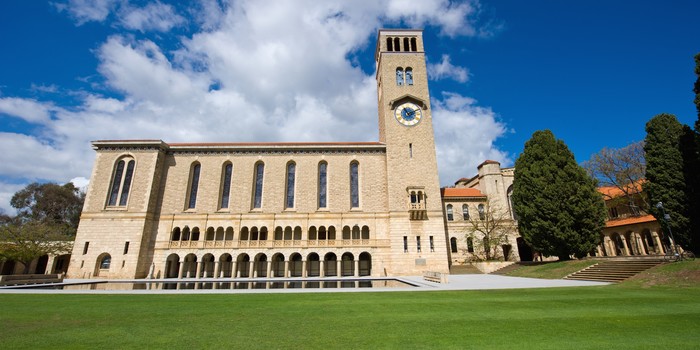
University of Western Australia (WA)
University of Western Australia (UWA) has begun a project with their residential colleges to attain feedback from student residents about respectful behaviour and sexual misconduct. A spokesperson for the university told Student Edge the results of this project will inform how they move forward with policies and procedures.
UWA Student Guild President Megan Lee is one of those students involved in the university's approach to the HRC's survey and sits on the Safety on Campus committee.
"It's early days," Megan admitted to Student Edge.
"But, the Guild thinks it's positive that the university is working to address the recommendations and students concerns."
Student Edge also asked UNSW and the University of Newcastle for their progress but they did not respond in time for publication.
If you have experienced sexual harassment, you can make a complaint to the Human Rights Commission. If you have experienced sexual assault, please see here for a list of sexual assault services throughout Australia or call 1800 RESPECT (1800 737 732).
Read more:
"A Long Way To Go": The Survey on Sexual Violence at Universities Is Only the Beginning
Study Finds 51 Per Cent of Uni Students Were Sexually Harassed Last Year
Asking for Angela: What Are University Bars Doing to Combat Sexual Harassment on Campus?
Photo: All images by Kokkai unless stated otherwise. iStock.com/kokkai
Topics
Ref: 54a5e65b-9a2c-43a0-b78e-a8e4007ae81f






Comments & Feedback
Share your opinion
Emoji cheatsheet Formatting Comment guidelines