Here's Why UK Prime Minister David Cameron Is In A 'Panama Papers' Pickle
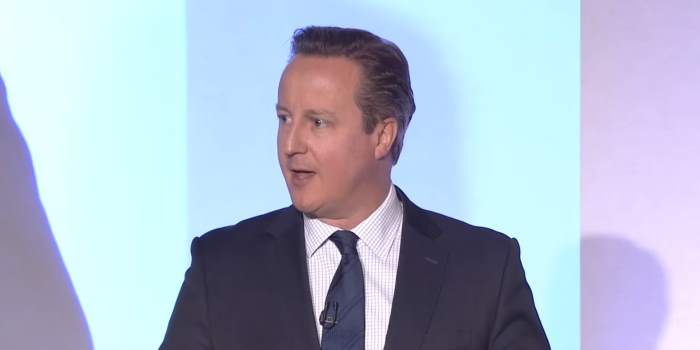
The Panama Papers’ revelation that billions of dollars are hidden from the public in offshore accounts is… not at all shocking.
However, it did catch some people by surprise that political leaders were involved, from Russia’s Vladimir Putin to the UK’s David Cameron, alongside the usual suspects (corporate giants and the like). Putin was able to dismiss his $2 billion offshore as an elaborate plot to divide Russians, orchestrated, no doubt, by “officials and state agencies in the United States”. But Cameron has had a much harder time disentangling himself from the scandal. If you haven’t followed the story: Cameron’s father set up an offshore investment fund through a law firm (Mossack Fonseca) that has been found to be involved in handling the finances of the incredibly wealthy, not discriminating between ordinary business people and drug traffickers. The Panama Papers revealed that $31 million worth of assets held by the late Ian Cameron’s Blairmore Holdings Inc. (which is still in operation) had not been taxed in the UK. However, Cameron has said that he has “paid income tax on the dividends.” He also released his tax records for the past six years, clarifying that he paid all of his due taxes on this investment, amounting to about £30,000. He also claimed he did not know whether his £300,000 inheritance from his father consisted of profits from this offshore account.In most states (excepting the US and Eritrea, in East Africa), money that is held offshore is not taxable. Further, in most states, having an offshore account is not illegal. That means no one is accusing Cameron, or his dad, of doing anything against the law. As The Atlantic proclaims in one of its headlines, the legality of offshore accounts is the “real scandal.” The anger that led thousands of people (including Lily Allen) to protest outside 10 Downing St this week and to demand Cameron’s resignation was caused as much by disapproval of tax-evasion as disapproval of law-evasion. As Brooke Harrington stated in The Atlantic, the “world’s richest people…can afford the privilege of defeating the spirit of the laws without violating them formally.” YouGov research finds 54 per cent of the UK think Cameron is not performing in the office of PM, with almost 150,000 people signing a petition to have him resign at the time of this writing. This mirrors the public disapproval that forced Icelandic PM Sigmundur David Gunnlaugsson to resign. He came into power in the wake of the financial collapse of 2008, making it especially surprising when the Panama Papers revealed he had owned $4 million in assets held by the same banks he criticised during his campaign. David Cameron finds himself having to justify a similar hypocrisy. This may explain why it took him “five weasel-worded statements in five days” to “admit that he has personally profited from an undeclared Caribbean tax haven investment deal”, as his opposition leader stated. In the 2013 meeting of the G8 (where wealthy nations and the EU meet to discuss politics), Cameron pioneered the campaign to “fight the scourge of tax evasion and aggressive tax avoidance.” But now it is clear that he himself had profited from this “scourge”. Despite selling all of his assets before becoming Prime Minister, this places doubt on his ability to enact legislation that will prevent others from profiting as he did through offshore accounts. Fact is, if you’re involved in the same scandal as FIFA, your actions were probably questionable. To distance himself from the humiliation of such an association, Cameron announced funding for a taskforce that will take “rapid action” to prevent tax evasion. Unsurprisingly, the public is not impressed. Very few are convinced that this decision was made out of a genuine desire to create a more equal society, with some commenters noting it is only “after some scandalous revelation leaders decide to ‘do something’”. The current proposals of the PM seem to be made in the sole hope of calming the unrest. While the centre of the global offshore system continues to reside in London, contributing $64 billion to the UK’s GDP, it is unlikely any laws will be passed that can actually impact the ability of the rich to hide their wealth in offshore accounts. More news as it inevitably develops.
Susan Alfayadh is one of Student Edge’s student contributors. Learn more about the contributors program.
Photo: Conservatives / YouTube.Topics
Ref: 56c4eaae-47ad-456a-adee-a5e7007daddc

Most Popular



Comments & Feedback
Share your opinion
Emoji cheatsheet Formatting Comment guidelines
Yes, he refused to say it until now but who hasn't kept a secret and it happens to come out at the wrong time. We're all rooting for success and many of us follow immoral means both intentionally or unintentionally so cut him some slack guys! <3