Plastic Pollution Treaty Gets the Global Green Light
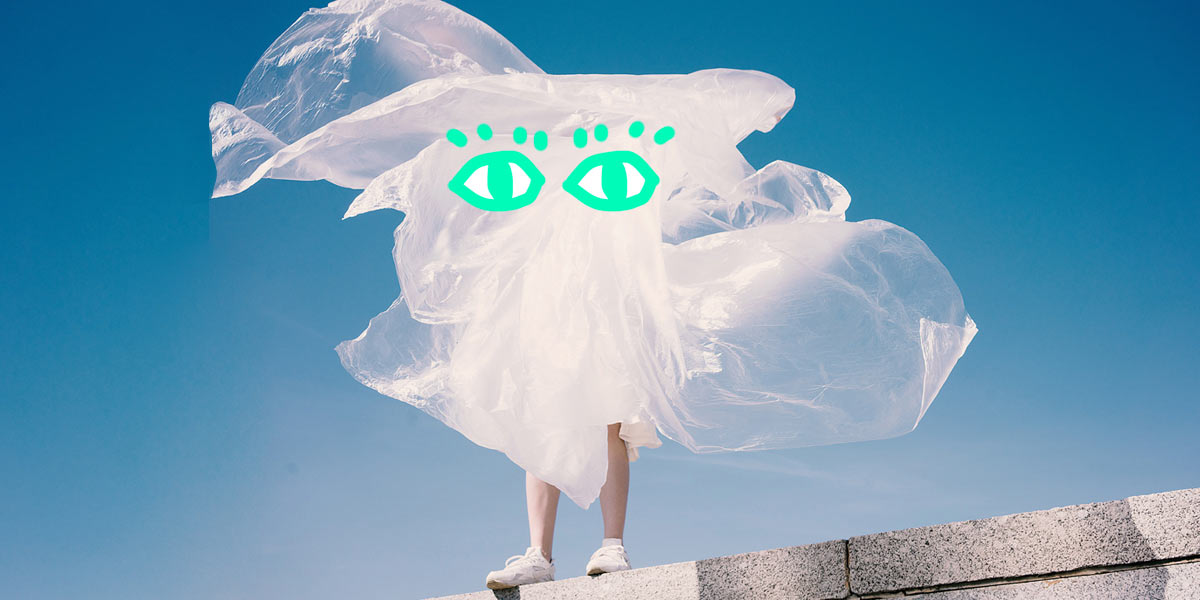
Do you ever feel like a plastic bag…
It's been more than a decade since Katy Perry sung that classic line way back in 2010, and plastic is still literally everywhere.
A plastic bag to keep our cutlery in, a straw with our iced coffee, a plastic bag full of individually plastic-wrapped chocolates... we hardly even register how many single-use plastics we go through day-to-day.
But plastic pollution is one of the world's biggest environmental issues as the growing production of single-use and disposable plastics way overtakes our efforts to deal with or dispose of them.
While National Geographic reports the problem is most visible in developing nations where rubbish collection is often inefficient, plastic pollution has had a devastating impact on oceans, wildlife and our health the world over. And it's a price we'll be paying off for many centuries to come.
The good news.
Last week, the United Nations approved the first international plastic pollution treaty in an effort to drastically reduce the amount of plastic in the world.
It's a landmark treaty which was agreed to by 175 nations, including Australia, at the United Nations Environment Assembly (UNEA) and aims to improve recycling, clean up plastic waste and then restrict plastic production moving forward.
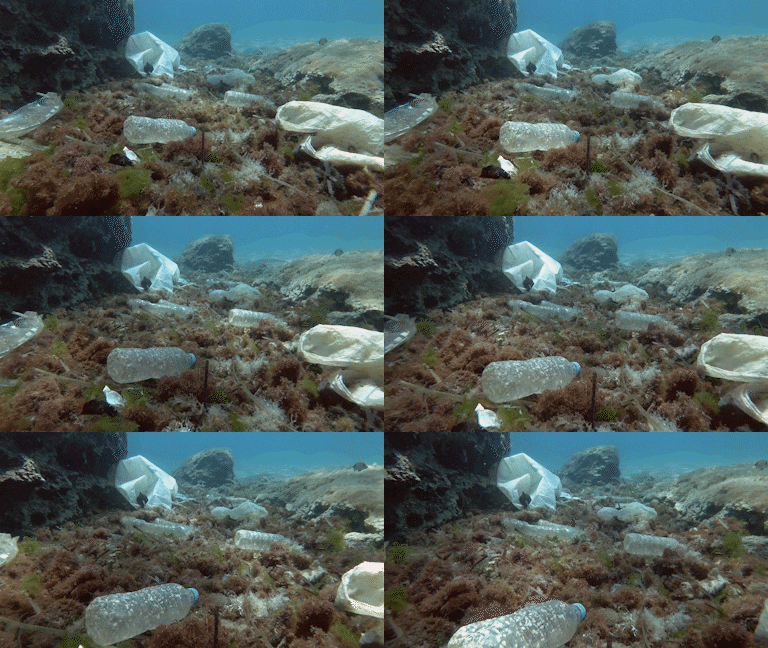
'About time' you say? Yeah, well considering about 7 billion of the estimated 9.2 billion tonnes of plastics produced between 1950 and 2017 is now waste, it is about time. And, according to The Guardian, 75% of that waste is either in landfill or "accumulating in terrestrial and aquatic environments and ecosystems".
A UN official called plastic pollution an "epidemic" and environmental groups have been shouting about the urgent need for a global treaty for years now because of the risk the billions of kilograms of plastic waste to marine species and ecosystems.
It's not good news for everyone.
The treaty will create a legally binding set of protocols restricting the oil and and chemical companies that make plastics, and the consumer goods giants that use single-use packaging.
It's also obviously likely to affect major plastic-producing countries' economies, like China, the US, India, Saudi Arabia and Japan.
But, ultimately, if this treaty doesn't put the brakes on plastic pollution, marine species will be at risk of extinction and sensitive coral reefs and mangroves will be destroyed, according to a WWF study released this month.
What now?
The UNEA has described the agreement as "the most significant environmental deal since the Paris Accord". So it's a big deal and it's going to be a while before anything is put into action.
At this point, the nations have agreed to begin negotiations to tackle plastic pollution internationally with the resolution to develop a legally binding treaty on plastics – this is expected to be finalised by 2024.
Topics
Ref: 6e80f44b-6f31-43e0-a4a7-ae4e008e5b51



Comments & Feedback
Share your opinion
Emoji cheatsheet Formatting Comment guidelines