Pap Smears Are Being Phased Out Across Australia In 2017
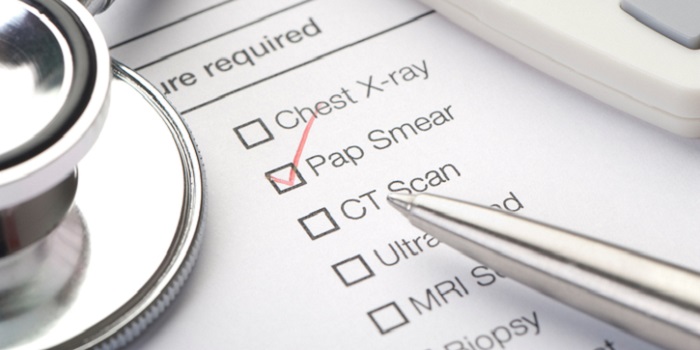
From next year onwards, women across Australia will no longer be able to receive a Pap smear test; the Department of Health is rolling out a new method of early cervical cancer detection.
Changes to the current system are being implemented as per the National Screening Program from 1 May 2017.
Under the new program, women above the age of 25 will be urged to partake in a cervical cancer screening once every five years, replacing the every-two-year Pap smear test.
Speaking to the Australian Women's Weekly, Dr Vanessa King - obstetrician and gynaecologist - said the new cervical screening program will involve a test that, firstly, looks for human papillomavirus (HPV, for short).
HPV is what causes changes in the cells of the cervix, which can turn into cancer in successive years. Dr King confirms if a patient is HPV positive, depending on what type is detected, they may be recommended to a gynaecologist for a colposcopy (a closer examination of the cervix). Alternatively, they might be advised to repeat the test in one year's time.
The Department of Health infers, based on latest evidence and better technology, the new method of screening will "improve early detection and save more lives".
Dr Dasha Fielder of Sapphire Family Medical Practice said, "The [Cervical Cancer Screening] is a superior test, which we haven't been doing because of the expense." From what she understands, the government will be funding the tests, which means there shouldn't be any out-of-pocket expenses for the patient.
One thing to take note of: The screening is no longer offered to women under 25-years-of-age routinely.
This means those who are sexually active and 25-years-old (or younger) are advised to have a chat with their healthcare professional about screening options and their entitlements, as per Dr Fielder's recommendations.
"It can be offered, but we have to have a reason. For example, if a woman has had a very early sexual activity or who has been sexually active from a young age, or in circumstances when a woman has experienced sexual abuse," she said.
"But I think the test can be offered to any woman who is worried... it would be an issue of Medicare funding."
If you want to learn more about the Cervical Cancer Screening, contact your local doctor or gynaecologist.
Photo: iStock






Comments & Feedback
Share your opinion
Emoji cheatsheet Formatting Comment guidelines