Didn’t Get Your Dream Job? Here Are Five Tips For Handling Rejection
An organisational psychologist and HR expert tells us why getting rejected doesn't have to suck.
If you haven’t already, you’ll probably face rejection at some point in your life – a hard truth, we know.
The good part is rejection isn’t a sign of failure (trust us). In fact, it’s actually a great learning opportunity.
We get it. That’s not the easiest thing to believe when you’re in the thick of it, like when you don't get the job you thought you were perfect for.
That’s why we caught up with organisational psychologist and WA president for United Nations Association of Australia Young Professionals, Neesha Seth, for some advice.

“Rejection is disappointing, and it's okay to actually be disappointed,” she says.
Neesha says because most of us see careers as a key measure of our live's meaningfulness and happiness, when we don’t get the one we wanted, “we feel like, hang on a second, where am I gonna get that from?”
She calls job rejections a ‘mini trauma’ that we can grow from, and it’s important to acknowledge you can’t control the outcome of things, but you can control what you take from them into the future.
And while Neesha's got the wise words of wisdom you need after a job knock-back, we've got the resources you need to put your best foot forward before you apply. Find a job that suits you best, develop the skills you need to succeed in today's work environment and stand out to an employer, with our new Get Job Ready Pathway on Student Edge Plus.
But now, onto Neesha's five hot tips to handle the not-so-hot feeling of job rejection:
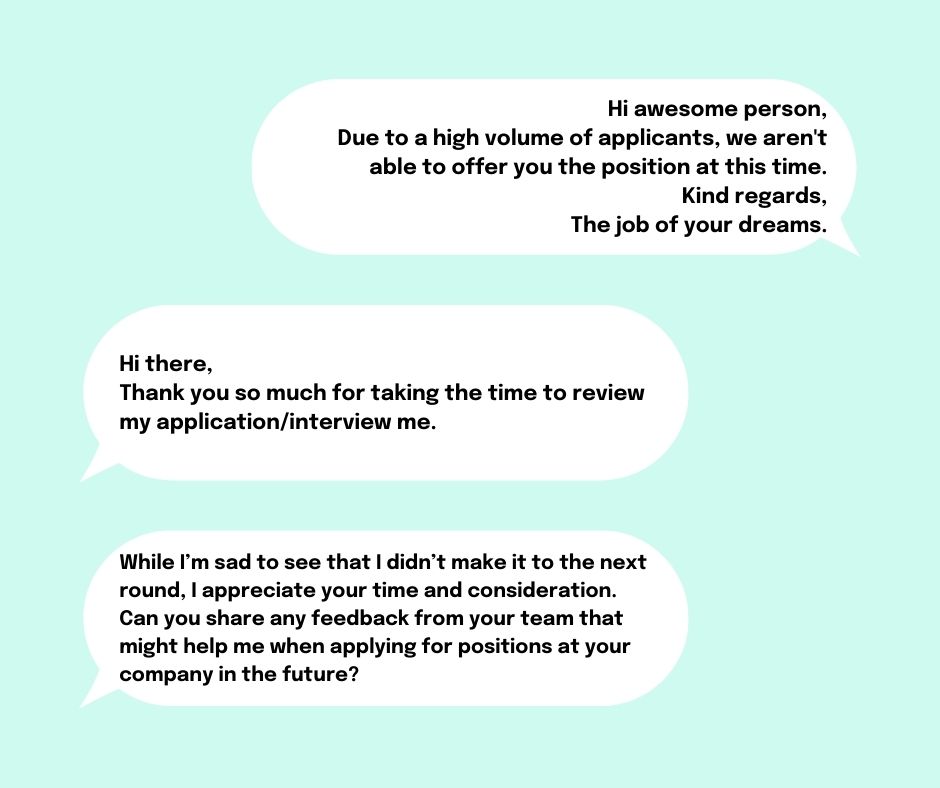
Tip One: Ask for feedback.
Let’s say you hear back after an application or interview, and the news isn’t good. While most organisations have a process and procedure to provide you with more than just the “no”, sometimes you don't always get feedback.
That’s why Neesha’s top tip is to pluck up to confidence to ask for a few areas you can improve on for next time.
How do you build up the courage to ask after a blow to your confidence? Neesha recommends taking a couple of days, and talking to someone you trust to mentor you through it.
Tip Two: Keep a job-like routine in your life.
It can be pretty easy to spiral into bad habits after being rejected. We’ve all heard the saying “dress for the job you want!”, and Neesha offers a similar piece of advice to combat that (that’s a bit less materialistic).
“Having a routine and treating it like a job is great, because your mind learns through rehearsal. We want to mimic what we have and then we will get it,” she says.
These can be simple habits like waking up, brushing your teeth, and applying for jobs, to immersing yourself into a volunteer role that you can treat like a job, too.
Tip Three: Remember that YOU ARE ENOUGH.
Neesha says mental preparation is key.
“Tell yourself that, just because somebody doesn't believe you fit in a role, does not mean that you’re not a worthwhile person,” she says.
Although it can be tough, it’s important to have a reasonable expectation that you're not always going to get your first big job.
“I remember coming out of uni and expecting to get everything in my first job because you feel like you work hard, you get the grades, and it happens, right?” she says.
On the bright side, it's also good to remember that each interview is a learning curve, and the first job you go for isn't always the best one.
Tip Four: Build up a diverse support network and get involved.
When it comes to entering the workforce as a young person, Neesha wholeheartedly believes in the importance of community, purpose, and support networks.
She recommends that anyone with the means to do so joins a not-for-profit as a volunteer or gets involved in campus activities.
She did that early on in her career and says it’s been super helpful with networking, building up the confidence to navigate job hunting and reaching out for advice to all kinds of people.
Tip Five: Draw a (pizza) wheel.
Neesha says while a career is important, we need to see it as just a piece of what makes us whole.
She says to draw a life wheel (or pizza wheel if you're snack-driven, like us). In each piece, write what makes you, you. This might include family, friends, work, hobbies and so on.
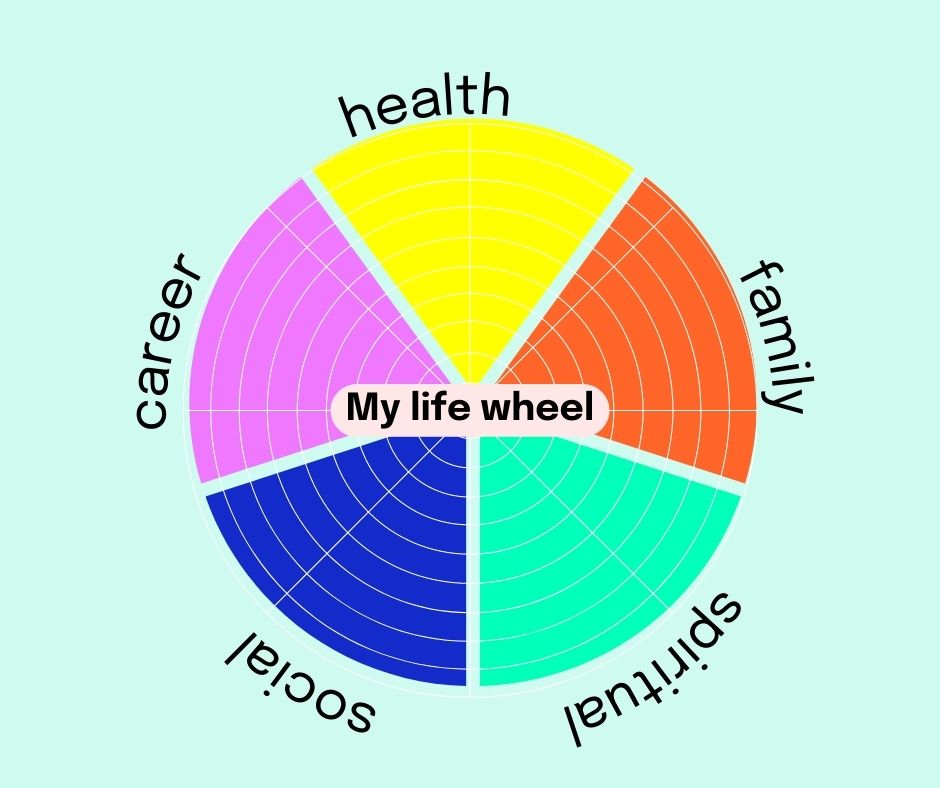
Once you’ve done that, have a look and see what’s full. “If it's not all full it's okay, just go fill it out because the sooner you get balanced in all of those, the more likely you are to have a psychologically meaningful and well life," she says.
“With what the world is facing, we really need to take care of ourselves,” she adds.
Header image: Nathan Dumlao via Unsplash
Topics
Ref: ef0ae99b-dd44-4849-8542-ae5a00846729






Comments & Feedback
Share your opinion
Emoji cheatsheet Formatting Comment guidelines