Thinking About a Career as a Firefighter? Here's How to Get Started
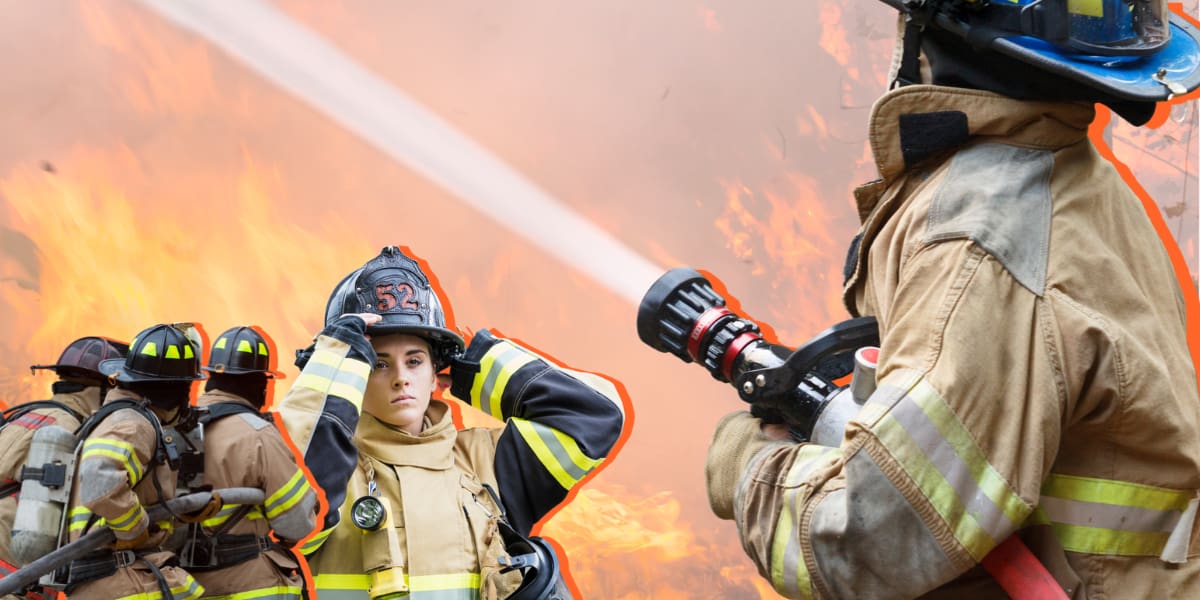
Learn what firefighters do, why it's a rewarding career, and the steps you'll need to take to join Australia's emergency services.
Firefighting is about much more than putting out fires. Firefighters are highly trained emergency responders who help protect people, property and the environment during a wide range of emergencies.
On any given day, a firefighter could be responding to house fires, road crashes, hazardous material incidents, medical emergencies, rescues, natural disasters and community safety events. They also help educate the public about fire prevention and emergency preparedness.
It's a physically and emotionally demanding role that requires teamwork, strong communication skills, quick decision-making and the ability to remain calm under pressure. Firefighters often work shifts, including nights, weekends and public holidays, and no two days are ever the same.
If you're someone who enjoys helping others, thrives in challenging situations and wants a career with real purpose, firefighting could be worth considering.
What does a career in firefighting look like?
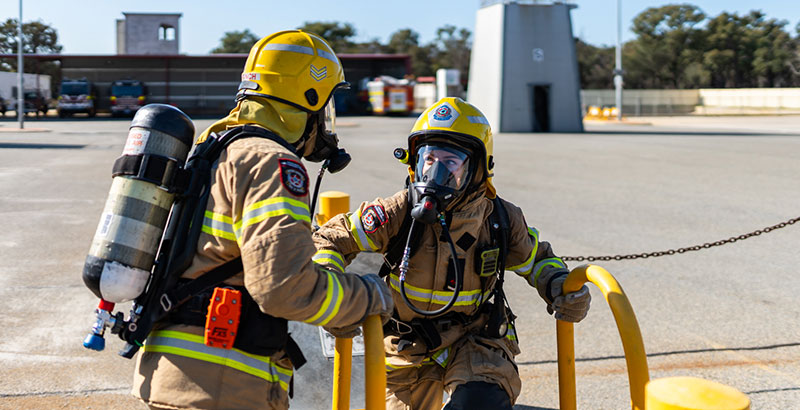
A career in firefighting offers the opportunity to make a genuine difference in your community every day. Whether you're responding to a bushfire, helping at the scene of a road crash or assisting after a natural disaster, your work can have a direct impact on people's lives.
Some of the benefits of becoming a firefighter include:
- Meaningful work that helps keep communities safe
- Varied responsibilities and new challenges
- Ongoing training and skill development throughout your career
- Career progression opportunities into specialist response, leadership, training and emergency management roles
That said, firefighting isn't for everyone. The role can involve physical risk, distressing situations and, while the recruitment process can be highly competitive. You'll need resilience, commitment and a genuine desire to serve your community.
How to become a firefighter.
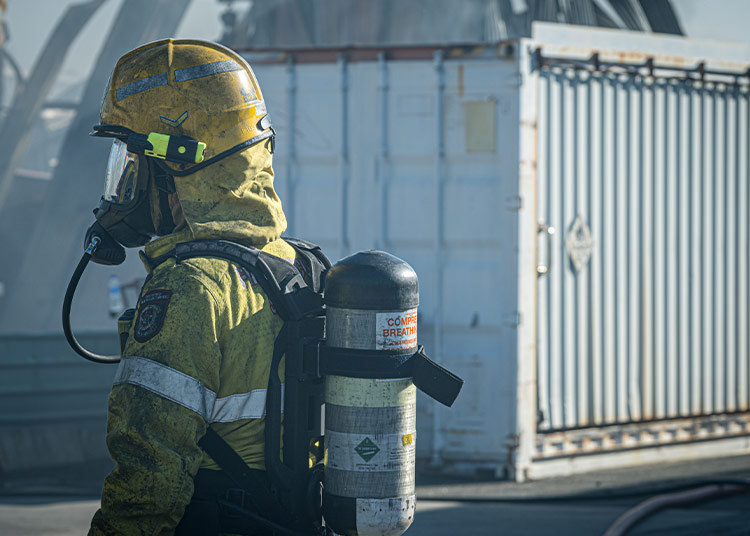
The exact requirements for becoming a firefighter vary between services, states and territories, so check the website of your local fire and rescue service for recruitment information. Most professional firefighter recruitment processes follow a similar pathway so here are some things to generally look out for in the application and training process.
Build the right skills
While physical fitness is important, firefighters also need a range of other skills. Successful applicants often demonstrate:
- Strong teamwork and communication skills
- Problem-solving and critical thinking
- Emotional resilience
- Adaptability and a willingness to learn
- The ability to stay calm under pressure
- A commitment to helping their community
Experience in areas such as customer service, trades, sport, volunteering or emergency services can also be beneficial.
Meet the prerequisites
Each fire service sets its own eligibility and documentation requirements. Depending on where you apply, these may include:
- Evidence of Australian or New Zealand citizenship, permanent residency or appropriate working rights
- First aid or advanced resuscitation qualifications
- A current driver licence of the required class
- Australian National Police Certificate
- A minimum level of education or relevant work experience
Check when each requirement must be completed before paying for licences, checks or certificates. Some services ask for them with your application, while others only request them if you progress to a later stage.
Prepare for the recruitment process
Firefighter recruitment can be highly competitive, with applicants often competing for a limited number of positions. You'll need to demonstrate both the physical capability and mental qualities required to work effectively in emergency situations. Depending on the state or territory, you may be required to complete:
- Online applications
- Cognitive or aptitude assessments
- Psychological or behavioural assessments
- Physical ability testing
- Individual, panel or group interviews
- Medical assessments
- Referee, criminal history and driving history checks
Complete recruit training
Successful applicants are invited to attend a firefighter recruit academy. During training, recruits develop the practical and theoretical skills needed to respond safely and effectively to emergencies. This may include:
- Firefighting techniques
- Search and rescue operations
- Emergency response procedures
- Hazardous materials response
- Operating specialist equipment
- Teamwork and communication
- Vehicle and equipment operation
Start your firefighting career
After graduating from recruit training, you'll begin your career as a firefighter and continue learning on the job. As your experience grows, you may have opportunities to specialise in areas such as:
- Urban search and rescue
- Hazardous materials response
- Community education and fire prevention
- Emergency management
- Training and mentoring
- Leadership and management
Is firefighting right for you?
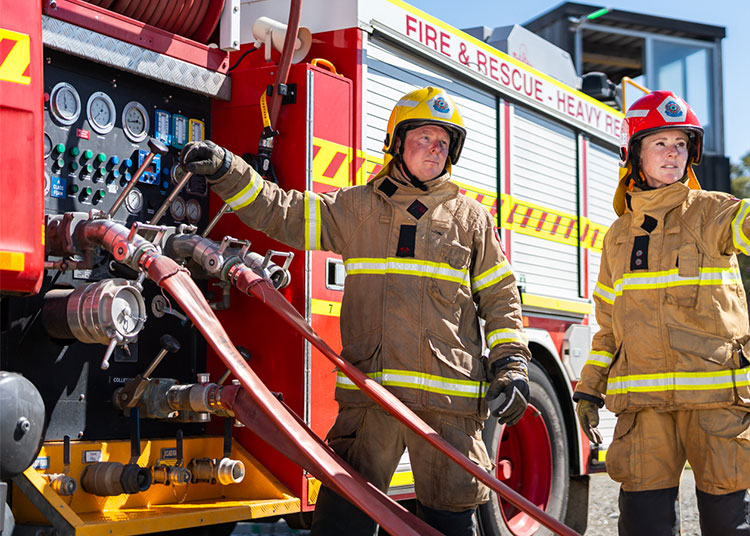
If you're physically fit, enjoy working in a team and want a career that allows you to make a real difference, firefighting could be a great fit. While the path to becoming a firefighter requires commitment, dedication and hard work, it also offers the chance to build a rewarding career helping people when they need it most.
Start by visiting the official website of your state or territory’s fire service to compare career, on-call and volunteer opportunities and check when recruitment applications open.
Image credit: Department of Fire & Emergency Services WA






Comments & Feedback
Share your opinion
Emoji cheatsheet Formatting Comment guidelines