How "The Hunting" Reflects the Reality of Victim Shaming
Trigger warning: This article discusses image-based abuse.
Shows that explore what it is like to be a teenager in modern society in a stripped-back and authentic way do not come around that often. Sure, 13 Reasons Why initially aimed to start a conversation about mental health issues, and Euphoria never shies away from graphically depicting teen drug use, addiction, sex and nudity. However, neither feels entirely realistic.
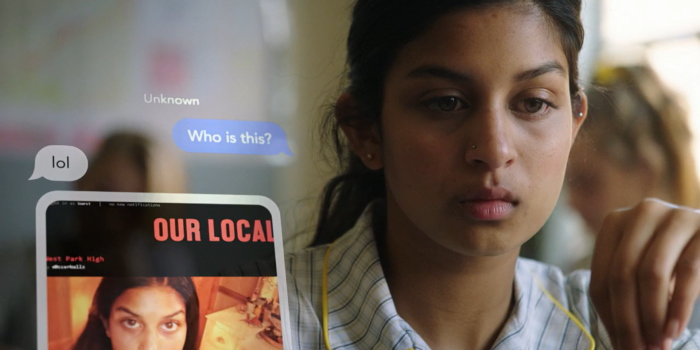
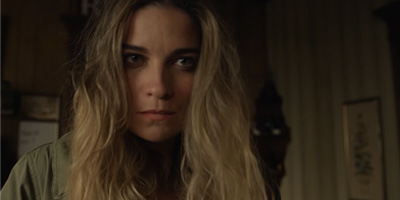
Then along came The Hunting, the Australian SBS drama that follows the lives of four teenagers and their teachers and families, all caught up in a nude teen photo scandal. Finally, we have a show that feels like an unapologetically honest account of a topical issue that affects young people today: the non-consensual distribution of intimate images.
Tackling themes of online exploitation, misogyny and teenage sexuality through diverse characters, the show also provides insight into the harsh reality of victim shaming: while victims suffer, the perpetrators often get away with it.
The show finished airing in late August, but if you want to catch up before reading any spoilers, it's still available to stream on SBS on Demand.
*Spoilers for all four episodes of The Hunting below.*
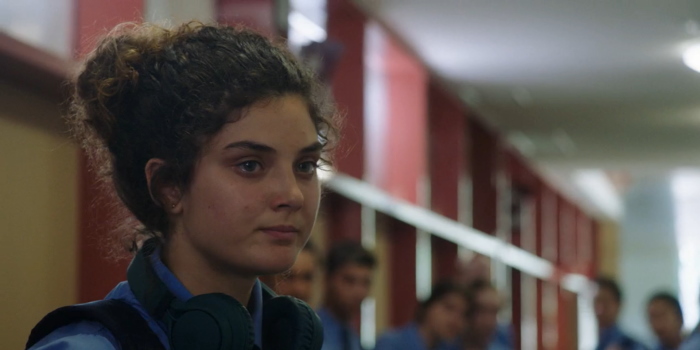
The show opens with high-school students Zoe (Luca Asta Sardelis) and Andy (Alex Cusack) engaging in cybersex over video chat, as Andy takes screenshots of Zoe without her permission. At a separate school, Amandip AKA 'Dip' (Kavitha Anandasivam) sends a nude photo to the boy she likes, Nassim (Yazeed Daher).
Despite going to different schools, Andy and Nassim are friends. Andy pressures Nassim to forward him the nude photo of Dip. Nassim complies, and Andy consequently uploads the photos of both Zoe and Dip to a website called "Our Local Sluts". The fallout is immediate.
Throughout the rest of the four-episode series, we see the teens face the various social and even legal ramifications associated with a nude photo scandal. It's a confronting plot that could have dived dangerously close into soap opera territory if it wasn't for directors Sophie Hyde and Ana Kokkinos. Image-abuse is a multifaceted issue, and Hyde and Kokkinos have depicted that with extreme sensitivity.
Written by Niki Aken and Matthew Cormack, The Hunting is undoubtedly a high-impact show, but not just because of the younger cast members' excellent performances. It’s because this stuff really does happen, and it profoundly damages people’s lives.
So, it begs the question: How is Australia dealing with this issue?
Dr Marilyn Bromberg, a Senior Lecturer in Law at the University of Western Australia, told Student Edge that approaching topics like this can be challenging.
"Watching the show, it was like the research came to life," Dr Bromberg says.
"They showed a lot of the challenges with getting the law to act. So, it can be challenging, and it can be very hard for victims to go to the police."
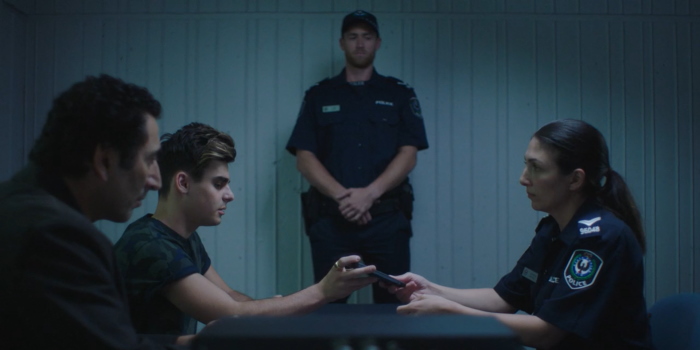
This challenge is directly addressed in Episode 3, when Dip decides to file a report at the police station. The police officer asks whether she wants to wait and decide when it’s "not so fresh". After she insists on making the report, both Dip and Nassim end up charged with producing child exploitation material.
As Dr Bromberg explains, criminal laws regarding the non-consensual distribution of intimate images now exist in every state and territory, except Tasmania.
"The criminal laws are relatively recent," she says.
"WA just passed their criminal law regarding this earlier this year. But just because someone tells the police about a crime that has been committed, doesn’t mean they’ll be charged."
Dr Bromberg also highlights how The Hunting delved into victim shaming culture.
"They showed the victim shaming that is quite common. When someone is a victim of it, people will blame the victim as opposed to the perpetrator," she says.
"It happens a lot, where the perpetrator faces no consequences for their actions, but the victims do."
Episode 4 reflects this reality all too well. After Dip and Nassim both testify, the judge diverts the case into a family conference, and Andy faces no repercussions for uploading the images, because there is no evidence to convict him.
Despite this, Dr Bromberg highlights that it is important for young people to know the possible consequences associated with distributing intimate images.
"If someone distributes an intimate image of you without your consent, then they could possibly be charged pursuant to criminal law, and potentially even sentenced to jail," she says.
"So, young people should be aware that they should not be distributing intimate images without consent and should be careful before they send an intimate image to somebody else."
Victims in Australia can also report image abuse on the eSafety Commissioner website, to have the photo taken down.
While Dr Bromberg points out that the legal process can be difficult for young people, she believes the show has raised awareness about a worldwide issue.
"The show has put a face to a concept that affects many people throughout the world."
The Hunting has finished airing, but you can still stream it on SBS On Demand.
Are you experiencing suicidal thoughts, sexual assault or domestic and family violence? Seeking to support someone who is? Call Lifeline on 131 114 or Kids Helpline on 1800 551 800.
Visit ReachOut to get support to help you with everything from everyday issues through to tough times.
Header Image: SBS
Topics
Ref: 901a0b81-9fac-419f-b3c9-aac70030ac7f




Comments & Feedback
Share your opinion
Emoji cheatsheet Formatting Comment guidelines