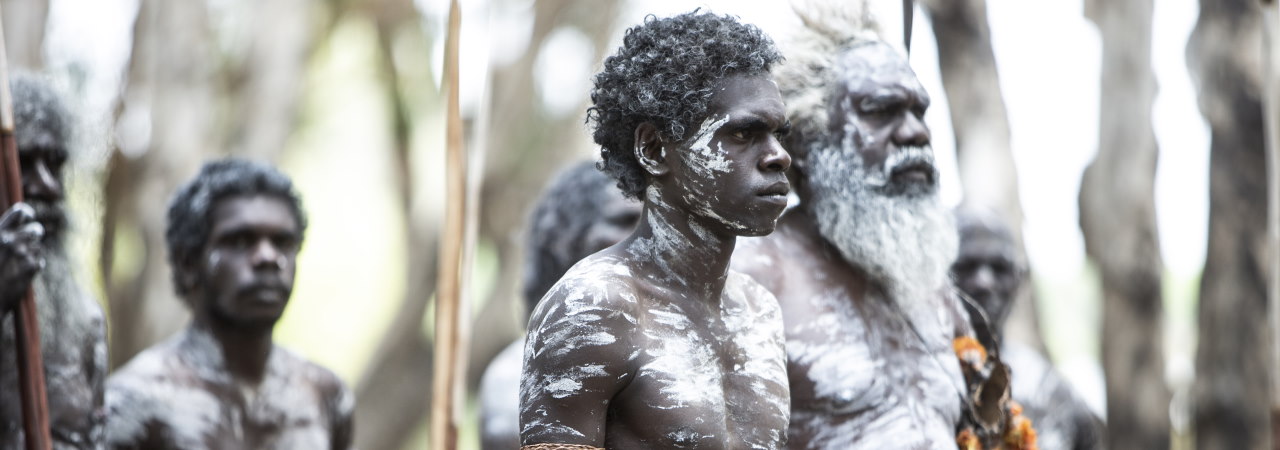
How "High Ground" Starts an Important Conversation About Australia’s History
The resurgence of the Black Lives Matter movement in 2020 sparked an ongoing conversation around the erasure of black stories in Australian cinema and the importance of highlighting new diverse storytellers.
Now, Stephen Maxwell Johnson’s captivating movie High Ground is drawing attention to the bleak events that have contributed to the ongoing suffering of Australia’s Indigenous people.
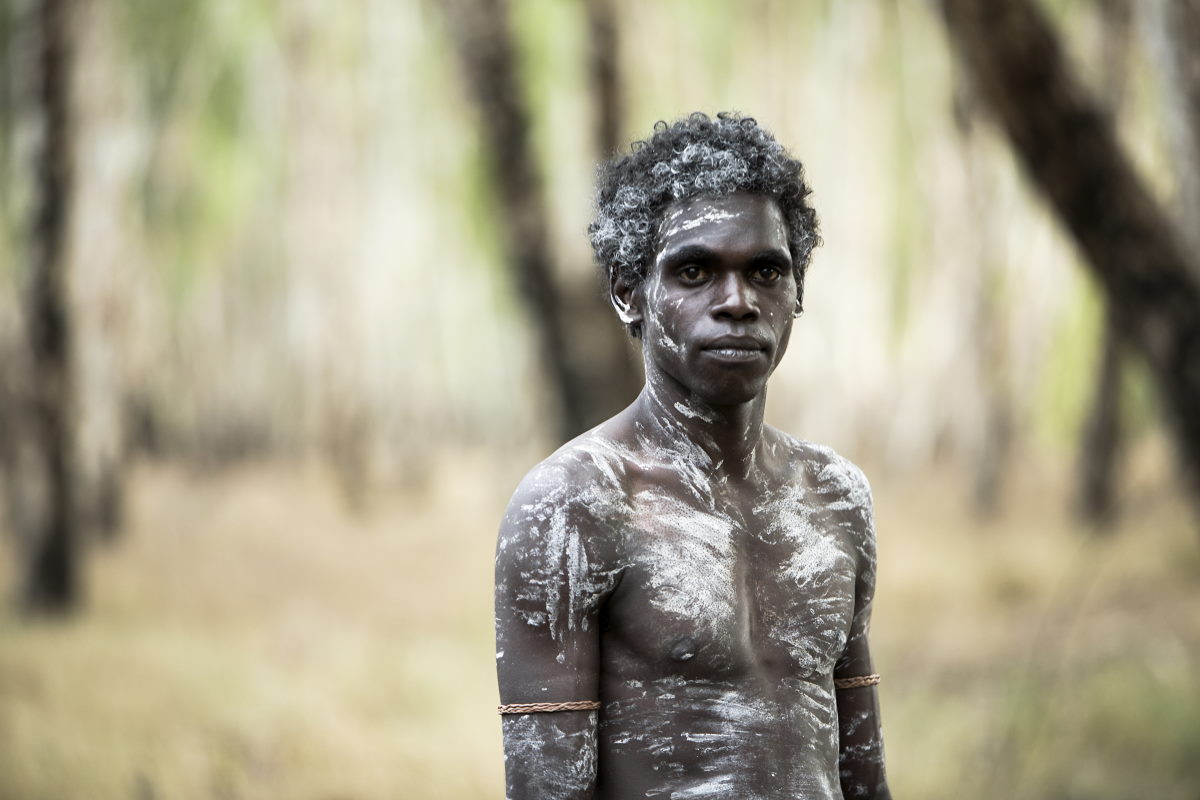
The powerful film is set against the stunning landscapes of 1930s Arnhem Land. It tells the thrilling story of a young Aboriginal boy called Gutjuk—portrayed by Yolngu man Jacob Nayinggul—as he attempts to save his family.
Gutjuk teams up with ex-soldier Travis (Simon Baker) to track down the most dangerous warrior in the territory, and Gutjuk’s uncle, Baywara (Sean Mununggurr).
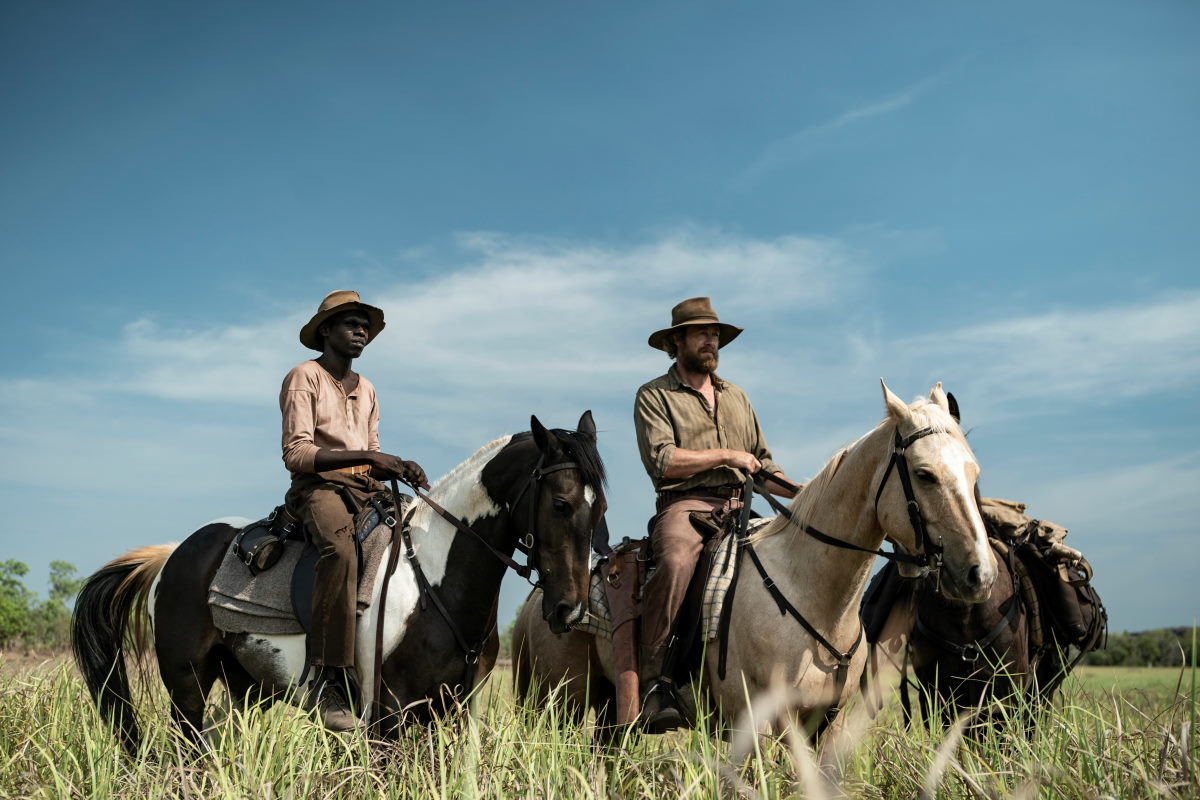
During Travis and Gutjuk’s journey through the outback, they begin to earn each other’s trust, but Travis’ past is revealed and loyalties are questioned.
As young Indigenous actor Jacob tells Student Edge over the phone, his extraordinary experience filming High Ground was tied to his family and Arnhem Land.
"[Gutjuk] didn’t really surprise me too much," he says.
"It was my land and I’m very traditional of that landscape in the background of the film, so it was the land that made me [a part] of the film.
"I was loving riding a horse and [making] spear tips that are different shapes."
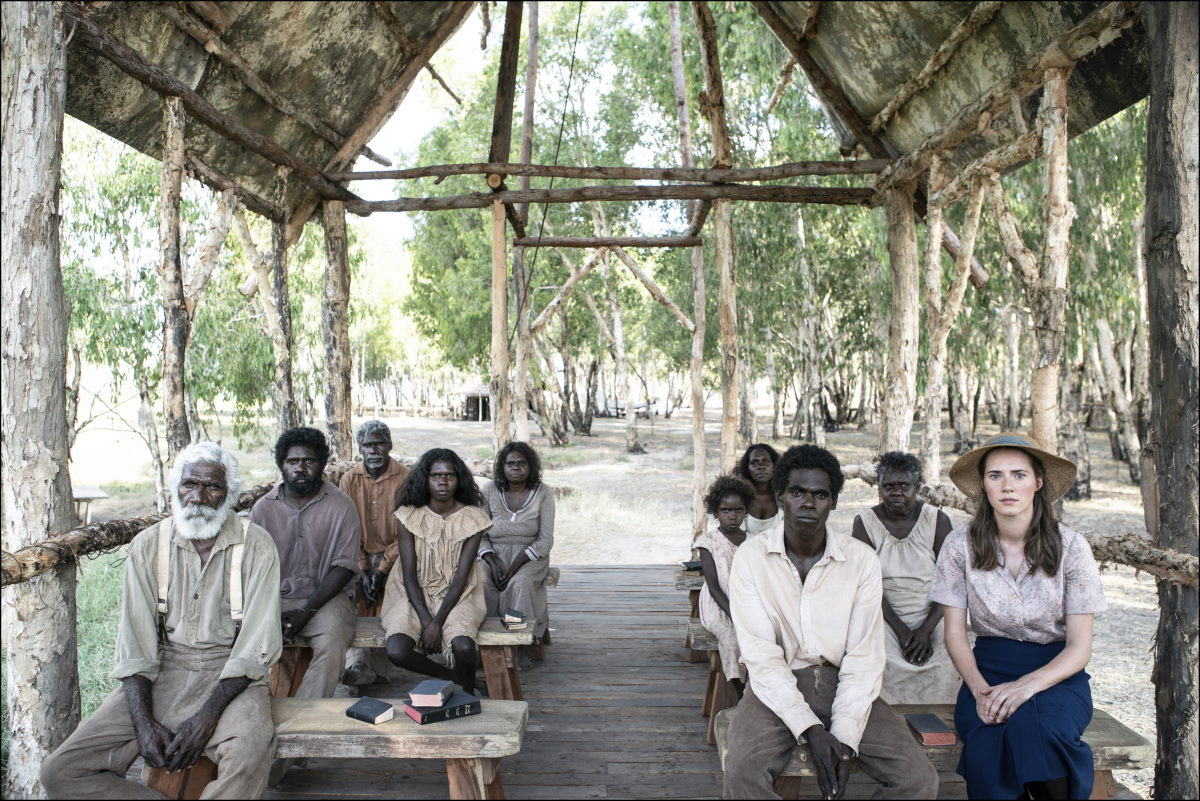
High Ground delves into countless stories from Australia’s confronting past and ignites a crucial discussion surrounding our country’s history, which is particularly important with Australia Day (26 January) celebrations happening this week.
Of course, there have been mounting calls to change the date of Australia Day. This is because 26 January marks the start of the dispossession and marginalisation of Indigenous Australians. In fact, many First Nations people refer to the event as 'Invasion Day' or 'Survival Day' instead.
As producer Maggie Miles tells Student Edge, High Ground gives audiences the opportunity to face important questions about Australia’s colonial past.
"We’ve seen [how] audiences react and this film sparks conversations and that is amazing," she says.
"People seem to be interested in the political, the cultural and the social as one big kind of fusion right now, particularly after the rise of the Black Lives Matter movement.
"There’s an extra resonance to High Ground and so we really do hope that it is part of a bigger conversation in Australia."
Maggie holds that she knew High Ground was a rich and exciting story that needed to be told from the moment she read the script.
"I knew that the script and the story was just going to contain a richness of experience and a richness of culture," she says.
"I wanted to play my part in helping that story be told."
While stories like High Ground are a deep part of Indigenous history and culture, many young Aussies from different backgrounds are still yearning to learn more.
With the film set to be released in cinemas on 28 January—just two days after Australia Day—Maggie hopes the flick will encourage young viewers to reflect on Aboriginal experiences and learn more about their stories.
"This story is really in everybody’s bones," Maggie says.
"Young people that I hear all around are calling out to hear these stories. I think young people are active and inquiring and wanting to hear, wanting to know, wanting to talk and wanting to listen.
"This story [is] to pay respect to events that happened all around Australia."
As Maggie tells us, it’s absolutely vital that we continue to explore Indigenous stories through films like High Ground.
"There’s a real hunger for the society of Australia to stop putting a stop to the telling of the true past of this country, "she says.
"Australia is an extraordinary storytelling nation and if we don’t talk about the tough stories, how are we going to celebrate the amazing ones?"
High Ground lands in Australian cinemas on 28 January. It is rated MA15+ for strong violence.
Header Image: Madman Entertainment