Here's Why You Choose One Brand of Toilet Paper Over Another
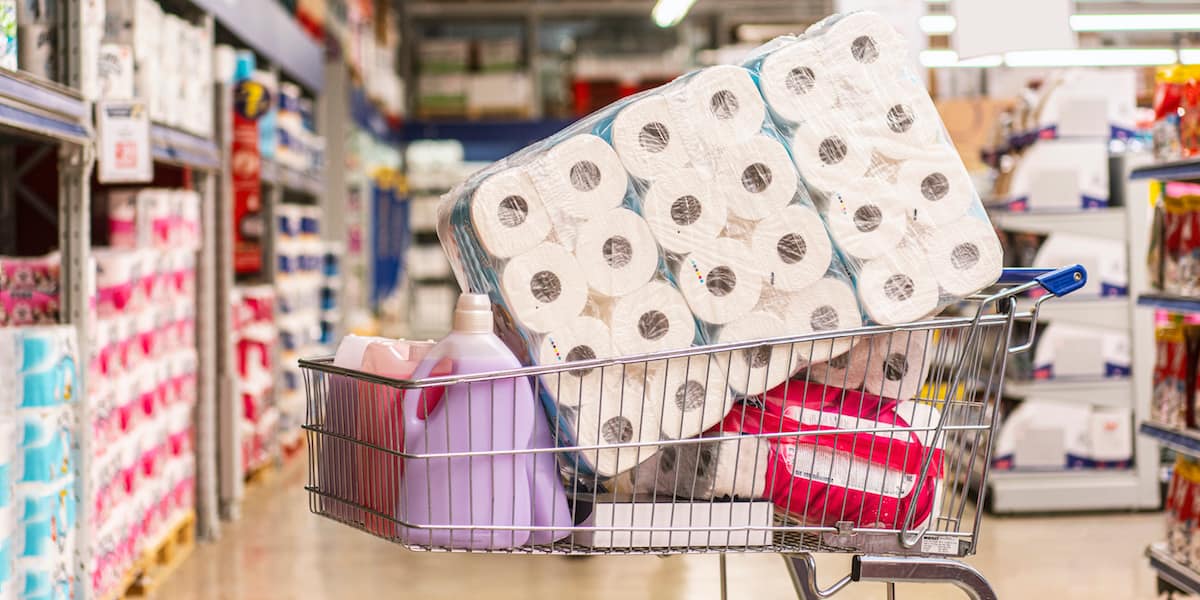
How do products as simple as TP get into your psyche??
This post is presented in partnership with Monash Business School.
Though you may not have been picky during isolation, you no doubt have a favourite brand of TP. Is it price, feel or something else? What makes us choose one product over another?
You may have instinctively picked your preference based on packaging, brand name, position on the supermarket shelve and colours, or because of sustainability or something totally different. So, let’s breakdown how marketing affects our perception, how branding works and ultimately how it affects consumer behaviour.
What affects our choice?
Monash Business School Department of Marketing Lecturer Jiemiao Chen tells Student Edge that there are a number of different elements that contribute to a consumer’s purchase choice, even with products as mundane as toilet paper.
"From a marketing point of view, the consumer is choosing one brand over another; there are a variety of factors but for products such as toilet paper which is low involvement, very cheap, kind of routine product; I think price and promotion play a big role at the point of sale," she says.
For items like toilet paper, tissues and cleaning products that we are likely going to buy anyways, brands have to work even harder to get the customer to choose their product over another.
"If you think about this product, it’s hard for different brands to differentiate themselves," she says.
"[Product] name could be another [distinguishing factor for brands] and with recent developments, availability is an issue and also the size of the package. If you’re looking at consumers with different demographic variables, families may prefer 24 rolls of toilet paper and a single person may buy eight rolls."

Does packaging matter?
As for the packaging, we often see images of dogs, ducks and feathers on toilet paper packaging, but this isn’t just random, these images are there for a specific reason.
Jiemiao explains that marketers use a technique called semiotic encoding to represent a feeling or idea so that they can communicate a message about their brand of toilet paper.
"As marketers, we have certain things we’d like to communicate to the consumers about the product right? We need to encode what needs to be communicated into a message and in this process we often use symbols, and that’s what semiotic is about," she says.
"If I ask you to write down a symbol that comes to mind, if I say love, what would you put down?
"A heart, rose, diamond, a kiss and lips? So these are the symbols that are commonly understood by the consumers as the symbols of love so you can use a variety of symbols to represent the concept of love and that’s exactly what’s happening with toilet paper and tissues and paper towels, [it’s all about] softness.
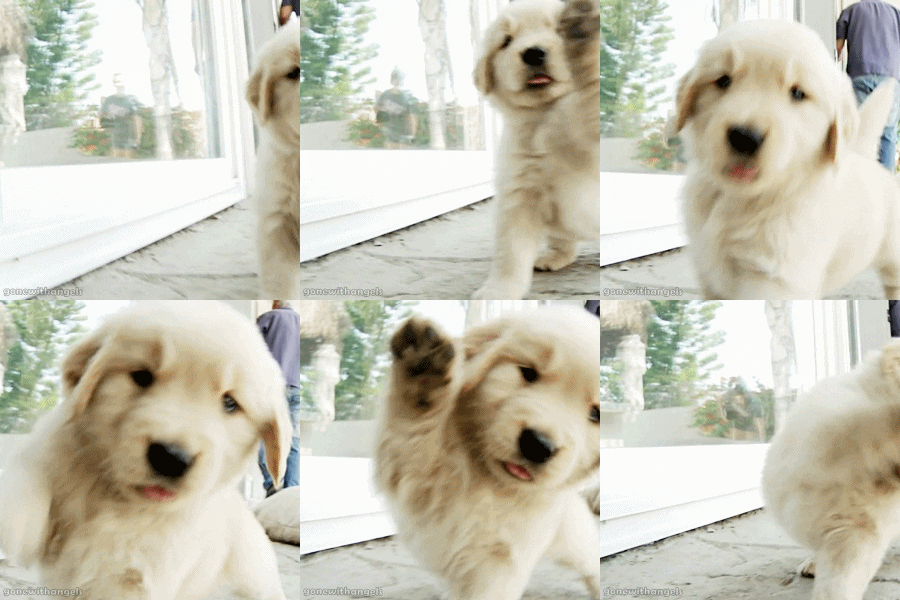
"So, we want to communicate softness and comfort, we use puppies, angels, babies, anything that’s fluffy and cute."
Even colours can play a role in our perception and can make us want something.
"There is research showing that colours do impact consumers’ consumption, you know with fast food chains they often use red and yellow for one thing that makes [people] hungry and that makes them eat quicker," she says.
How much choice do we actually have?
So, how much free will do we actually have? Are we all that easily tricked my marketing techniques, or do we tend to make conscious decisions?
Jiemiao explains that while consumers already know and are learning a lot about marketing techniques nowadays, there are still some very small factors that can determine a person’s choice or feeling about a certain brand or product.
"I think we’re still learning and obviously it comes down to [the question of] do we have free will? And from an experimental research perspective we do see that consumers are easily impacted," she says.
"So in a lab for instance, very subtle things, if I were to ask you to hold a pencil between your teeth so that your mouth is like a smile, you will have a higher, better evaluation of things. When I ask you to hold a pencil with your lips, which mimics a sad face, people actually turn out to evaluate things lower.
"So very simple things like that have shown that people are impacted [by influencing factors], obviously there is a degree of freedom but how much is the question."
So next time you reach for your favourite pack of TP – have a think about what made you choose it. Was it your own free will… or something else?

If you’re interested in learning about consumer behaviour, consumption research and perception techniques, why not check out some of Monash Business School's marketing courses like their Bachelor of Marketing or their Master of Applied Marketing.
Find out more about these courses and many more on the Monash University website.
Header image: ozgurdonmaz via Getty Images
Topics
Ref: dcbfdd62-df8e-4554-a5f8-ac63007a5d4a





Comments & Feedback
Share your opinion
Emoji cheatsheet Formatting Comment guidelines