Here’s What Happens to Your Body When You’re an Organ Donor
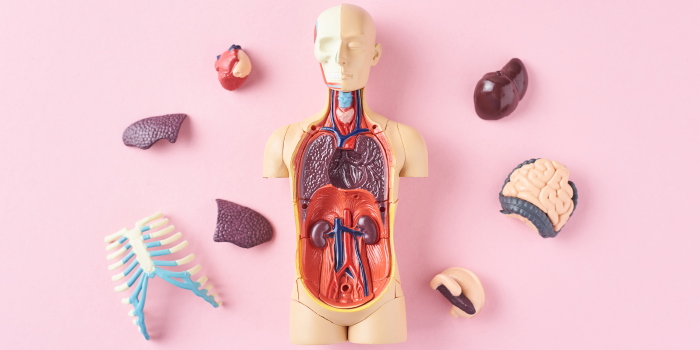
Gross, but nice.
This post is presented in partnership with Donor Mate.
Our bodies are disgusting. They are literally poop factories powered by a blood pump. But at least we can make our outsides somewhat presentable, and put our bods to good use.
While we’re alive, we can scale mountains, create music, paint portraits, play sports, make friends, forge bonds, laugh, dance, work, learn, care, kiss and, of course, love.
And when we’re not alive… well, we can’t do anything particularly useful at all. Or can we?

Organ donors—as in, anyone who has registered to donate their organs when they die—can help give people a second chance at life; their donations can ease pain, prevent grief and, in the right circumstances, provide someone with the gift of sight. Organ donation might be the most meaningful thing some of us do in our lifetimes, and we don’t even have to do it until we’re dead! (FYI, you can register to donate your organs via an organisation like Donor Mate; it only takes a couple of minutes and then you just carry on living.)
If you’re grossed out by the idea of organ donation, well, we’ve got news for you: being a human means being gross all the time. As sci-fi author Arthur C. Clarke once wrote, "We seldom stop to think that we’re still creatures of the sea, able to leave it only because from birth to death we wear the water-filled space suits of our skins." That’s gross! Deal with it.
The process of organ donation is gross too, but it’s also an amazing medical marvel. And considering 1,500 people are waiting for a life-saving transplant right now, it is something everyone should at least be educated about. Find out below what happens during an organ donation, according to the Australian government’s Organ and Tissue Authority. Hopefully, you didn’t just eat…
Step 1: Die

One day, hopefully looong from now, you will pass away. In the rare case that you are humanity’s first immortal being, you can probably leave this article now… but then again, you may as well register as an organ donor, because what have you got to lose?
For the rest of us, there are two ways death is determined by medical professionals. The first is "brain death", which is when there is "irreversible cessation of function of the brain". The second is "circulatory death", which is when there is "irreversible circulation of blood in the body of the person". What you can donate depends on how (and when) you die.
Doctors check if we're brain dead by doing some brain death testing, which can involve reading our response to painful stimulus, pouring ice cold water into our ear canal, or checking our gag reflex. Don’t worry, it’s all legit (and there’s more to it, of course). If the brain is dead—usually because of a head injury, a stroke from bleeding or a blockage of blood flow in the brain—our body will stop breathing. However, a ventilator can keep some of the body’s processes such as the heart pumping by providing it with oxygen, keeping it transplantable. Eventually though, the heart will run out of steam, so it’s time for your family to talk next steps.
Even if you’re registered as an organ donor, your family needs to give the go ahead, so make sure they know your wishes before the doctors ask them what they’d like to do with you.
Sadly, doctors can only do so much with your organs if you die a circulatory death, and only in certain circumstances, as the lack of blood flow in the body will render the organs useless. But if you’ve endured brain death, you’re registered as an organ donor and your family is on board, your body can proceed to the next step on this amazingly weird journey.
Step 2: Take the Test

Doctors will start running tests on your person to see what’s transplantable, while also asking your family about your medical and social history. For instance, even if your organs aren’t in recyclable condition, your tissue—including eye, heart, bone and skin—can still be shared. You’ll be kept on the ventilator throughout this process, until the arrangements for donation have been made. Basically, it’s the easiest test you’ll ever take.
Step 3: Off to the Theatre
With everything set, you’ll be wheeled down to the operating theatre where your organs and tissues will be removed and put on ice for donation. As this all goes down, you will be taken off the ventilator and your body will finally, officially, expire.
It goes without saying, doctors and caregivers will treat your body and your family with the utmost respect throughout this whole period, whether you donate or not. In fact, organ donation won’t affect your physical appearances or your funeral arrangements, so don’t cancel that open casket if you were planning on one!
Step 4: Save a Life

If you’ve got a sweet set of organs, they may all be transplantable. Those living with heart failure or a heart defect may be able to accept your whole heart, or perhaps just the valves. People with cystic fibrosis or emphysema could use a lung, and since you’ve got two, you might be able to help out a couple. Your liver could wind up assisting someone with liver disease, or, since the liver can regrow, it could be divided and put in two recipients, or popped in a child with whom it can then grow to adult-size. Your kidneys could go to one or two people who would otherwise need to rely on dialysis. Your pancreas could also go to anyone who needs (or understands) what a pancreas does, exactly. Your heart tissue can help repair genetic defects in kids and babies. Your bone tissue can help heal fractures, strengthen hip and knee joint replacements and repair teeth. Your skin tissue (usually taken from the back or back of your legs) can help those who’ve suffered severe burns. And your eye tissue, like the cornea, can restore sight to people who are partially or completely blind.
Your organs can only survive a few hours outside your body, so the medical team will move fast to match you to a recipient (like Tinder, but for kidneys). That means your heart or lungs could have a new home the same day you die. You can’t take them with you, so sharing might be the way to go!
C’mon, mate! Register to be an organ donor today. What are you waiting for? It won’t kill you. But when something else does, your bits and pieces could help save the lives of 10 or more other Aussies. How cool is that? Register now.
Header Image: Lazy_Bear via Getty Images
Topics
Ref: 7eb8c56f-6b19-4313-ba85-abc1001dcc2f



Most Popular



Comments & Feedback
Share your opinion
Emoji cheatsheet Formatting Comment guidelines
interesting. thanks for the article.