Attention All Students: Your HECS Debt Could Be Going Down By 20 Per Cent
What the HEC is going on?
Big news for uni, TAFE and apprenticeship students. The Federal Labor Government has recently announced the plan to take 20 per cent off all student debts. They also plan to increase the minimum salary threshold needed before someone needs to start making repayments towards their loan.
This is part of a set of proposed reforms to the student debt system the government says will be introduced if elected for another term.
What is HECS debt?

HECS stands for Higher Education Contribution Scheme loan under the Higher Education Loan Program (HELP) which is a way for students to get a loan from the government to pay for higher studies after high school.
The repayment threshold is currently $54,435 which means if you earn above that amount on a yearly basis, you’ll start paying off your debt.
According to our August 2024 Youth Omnibus, our latest YouthInSight offering, we found that 82 per cent of young people are considering a university degree in the future, but 19 per cent “had no idea of the degree cost”.
What does this mean for your HECS debt?
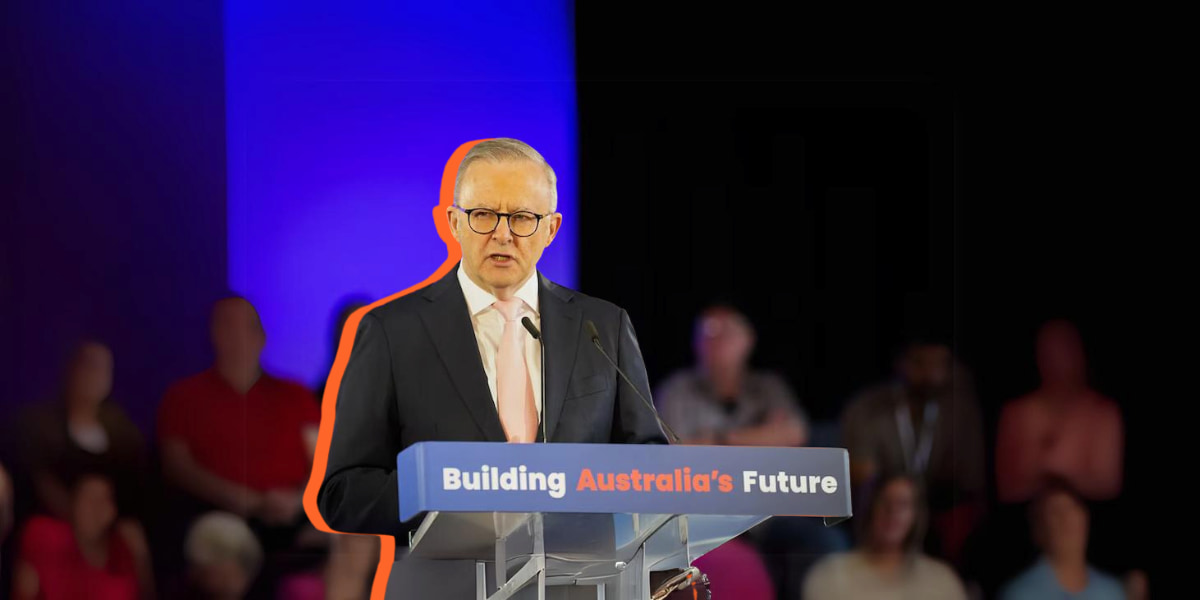
This proposal, put forward by Prime Minister Anthony Albanese on Sunday, covers government loans taken out for uni, TAFE, and apprenticeships. For example, a $30,000 HECS debt would be reduced to $24,000.
On top of that, the government also plans to increase the minimum repayment threshold from $51,500 to $67,000 in the 2025/26 financial year. They also want to decrease the amount you pay each year towards your HECS debt for anyone earning less than $180,000 a year.
What about indexation?
Indexation is added to your HELP debt each year. Indexation works by maintaining the real value of the loan by adjusting it in line with changes in cost of living as measured by the consumer price index (CPI).
Basically, student loans increase every year because the value of money changes over time.
The changes in this proposal come after a government bill introduced earlier this year were aimed at changing how student loans are ‘indexed’.
If this previous bill passes, indexation will be based on either the CPI (rate of inflation) or the WPI (the figure measuring rising wages) – whichever is lower.
Plus, fee-free TAFE courses.

Anthony Albanese has also promised 100,000 fee-free TAFE places every year if the Labor government wins the next federal election. This is a big win for anyone interested in studying a TAFE course and keen to do a more practical course over studying at uni.
Mr Albanese said the government’s fee-free TAFE program had exceeded expectations and brought over 500,000 enrolements in courses like disability, aged care, early childhood education and construction.
What happens next?
The gov wants to introduce this bill to cut student debt by 20 per cent next year. The next federal election will most likely be in May next year.
If these changes go ahead, the government believes the average debt holder will pay about $680 less each year in repayments.
Header Image: ABC News Australia
Topics
Ref: ba1be434-5e25-4ab6-9f77-b21e005970fd






Comments & Feedback
Share your opinion
Emoji cheatsheet Formatting Comment guidelines