Head of Inquiry Says Laws May Need to Treat Indigenous People Differently to Achieve Equality
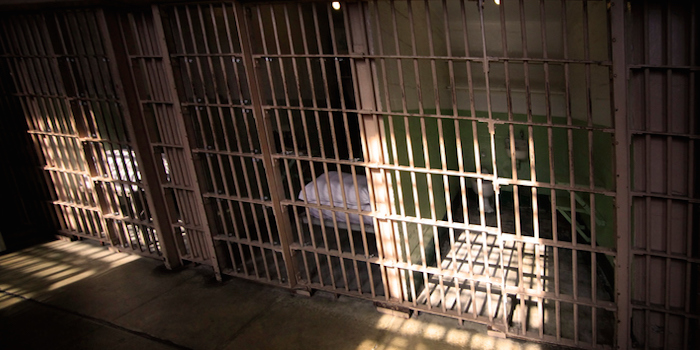
The recommendation comes in light of a national inquiry into Indigenous incarceration.
Matthew Myers, the federal court judge leading the investigation, said Indigenous incarceration statistics have become “so bad” that some laws clearly disproportionately affect Aboriginal and Torres Strait Islander people.
He suggests Aboriginal and Torres Strait Islander people might need to be treated differently by the justice system, in order to achieve equity under the law.
Myers pinpoints certain laws which appear to disproportionately affect Aboriginal and Torres Strait Islander peoples, including: bail laws, jailing for fines, and laws on granting and reinstating drivers’ licences.
He described them as, “laws that are often instituted for good reasons but with unintended consequences”.
In October of last year, the Bureau of Crime Statistics and Research found a 238 per cent increase in the number of Aboriginal and Torres Strait Islander people held on remand in NSW prisons over 15 years.
It also found 38 per cent of Aboriginal and Torres Strait Islander people denied bail didn’t receive a custodial sentence. “Is there equity, is there equality?” Myers questioned.
“Why are we seeing our jails in the state that they are, full of Aboriginal and Torres Strait Islander people?”
He added, “Sometimes we need to look at the law and say: do we need to treat people differently so they may be treated equally?”
Photo: iStock
Topics
Ref: 1328d524-2c73-4dae-9752-a728016ebcc9





Comments & Feedback
Share your opinion
Emoji cheatsheet Formatting Comment guidelines