The Harsh Reality of Child Detention Centres: Does It Really Have To Be This Way?
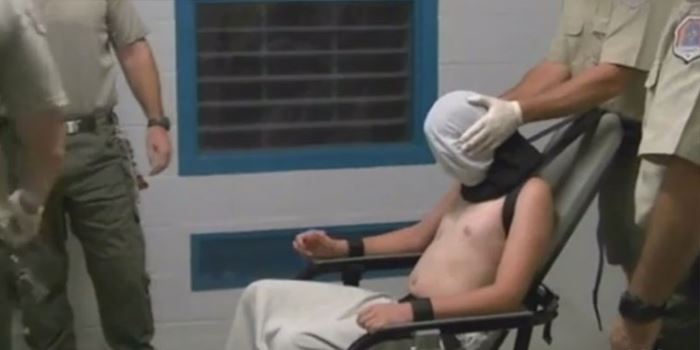
Terrifying videos of child abuse, released on television for the whole of Australia to view.
On July 25, the ABC released an episode of Four Corners named “Australia’s Shame”, revealing the confronting oppression of Australia’s youth behind bars in Northern Territory’s Don Dale Child Detention Centre.
The horrors inside this centre were first brought to light in August 2014 and, now, have been brought back to our attention two years later. Clear demonstrations of human rights violations can be seen in the footage, presenting the audience with questions about the effectiveness of the system. It makes us ask the question: Are these children being rehabilitated or purely punished?
What Happened In The Footage?
In the footage and interviews shown, a variety of unethical methods of punishment were revealed. There is evidence of tear gas use, fire hose abuse, solitary confinement (for any children who attempted to escape general confinement), hog-tying, and the targeting of one juvenile in particular, Dylan Voller, who you’ve most likely seen in a viral photo, restrained in a chair with a hood over his head. The guards are reported to have asked other detainees to abuse Voller; to spit on him, beat him up, and throw hot water on him (significantly worse than playground teasing).
What Came Next?
There has been broad media coverage, prompting discussions of these harsh punishment methods and the severe conditions inside the Don Dale centre. Also covered was the NT government's controversial countersuing of Dylan Voller, and another detainee, who together caused an alleged $160,000 worth of damage when they escaped from the centre on May 31, 2015. (The suit has since been withdrawn.)
A royal commission was ordered into the investigation of Don Dale centre and the minister responsible for the juveniles was sacked. This commission will aim to discover why previous investigations were not successful in revealing the evidence of abuse in Don Dale, shown on July 25.
However, less than a week after the inquiry was announced, the assigned royal commissioner, Brian Martin, stood down. His reasoning? He had fears that he lacks thorough knowledge of the Indigenous community, and might have an unreasonable amount of bias, affecting his ability to conduct a just investigation of this crucial commission.
What Can – And Should – The Government Do?
It is clear that a full-scale investigation into the actions of the Don Dale Child Detention Centre guards needs to be conducted, however the measures undertaken following the investigation need to be effective; a verbal warning is not enough. If there are clear injustices, they need to be fixed, and following that, inquiries into similar institutions nationally should be made. Despite this, Attorney-General George Brandis told ABC’s 7.30 that there are no plans to expand the commission to a national scale.
While the reasoning behind their decision is considerable (claiming that focusing in on one particular area will produce more effective results), reports of similar treatment in child detention centres on a national scale suggest that a more extensive commission should be conducted. An ex-guard of Don Dale told Triple M Adelaide that induction and training for the centre was minimal, which might offer one reason for the inhumane treatments: ignorance.
Are We Complicit?
Should we accept the guards’ lack of training as an excuse? It is clear to me that there are faults in the system, resulting in the negligence of the evidence found in 2014. So, what can we do? There are petitions that can be signed to stop the use of restraint chairs in both juvenile centres and adult prisons, and we can write letters to our governments to ensure royal commissions in each state are conducted and the right people are held accountable. I also think extensive implementations of training methods for the guards need to be instilled; this time, it needs to be done ethically. If we want a more effective system, we should not let this story fade away - not for the second time.
Sarah Schofield is one of Student Edge’s student contributors. Learn more about the contributors program.
Photo: ABC.
Topics
Ref: 7d650188-bf59-4b2d-965e-a65c0074ce42



Most Popular



Comments & Feedback
Share your opinion
Emoji cheatsheet Formatting Comment guidelines
That is so horrible. I thought the 21st century banned punishing kids. I think the government should make a law about not hurting kids like their in jail.