From Uni to Work: How COVID-19 Has Changed the Way Workplaces Operate
A lot has changed since COVID-19 happened.
If you’re a uni student, you may have noticed there's a kind of ‘bubble’ surrounding you and your peers. You can see through the bubble to the world of proper adulting and nine-to-fives—but it hasn’t quite popped yet.
You may have spent years working out how to build your dream career and tried really damn hard to get the degree you need to pursue it…
And then, after all that planning, a pesky little virus came along and made everything even more confusing.

Well, don’t worry. We got you. Here are the top three things to expect when entering the post-pandemic workforce and how to prepare for them (spoiler alert: you’ll be just fine. Promise!).
1. Working from home.
After almost two whole years of putting up with COVID-19, Australians are working from home more than they ever have (according to the Australian Bureau of Statistics). A recent Families in Australia Survey found that 67 per cent of employees were ‘sometimes or always working from home’ as of 17 June 2021.

You may have been looking forward to actual in-person handshakes (remember those?!) and office banter with co-workers at your first grad job. While that may not happen just yet (or at least not as often), there are ways to make the most out of working from your personal office.
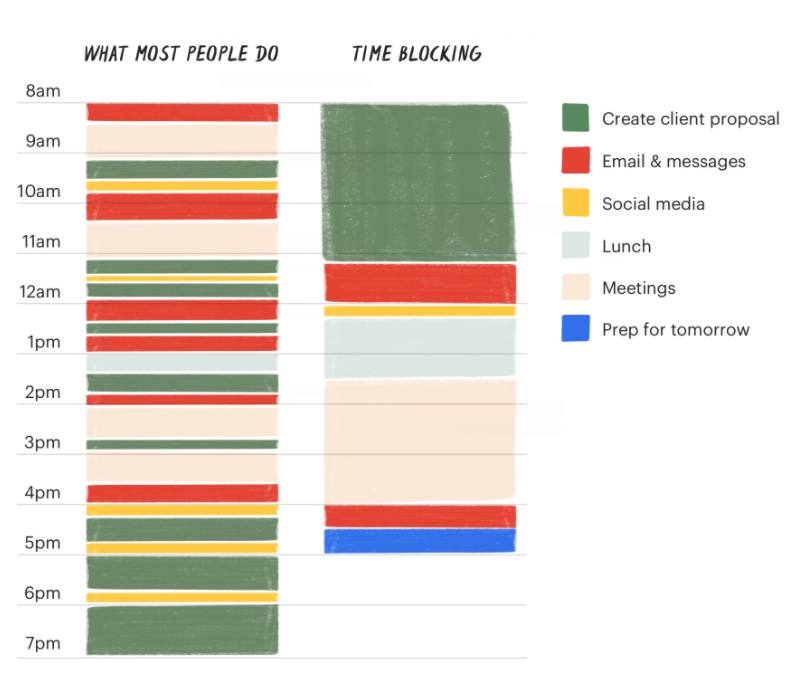
It’s important to create a schedule and routine. Without the morning commute or changing of meeting rooms to break up the day, staying in one place can get a little static. Time-blocking is a great idea, as is habit-tracking, for keeping those motivation levels up.
(Image: Todoist)
Keep a dedicated working space, or you’ll go mad just being in your bedroom. It will also make it easier to relax at the end of the day.
And don’t be afraid to message your colleague or boss for help when you need it. Just because they’re not across the floor to call out to, doesn’t mean you can’t flick ‘em a quick message on Microsoft Teams.
If you're struggling to stay on track when you work from home, don't stress. RMIT University has some really awesome tips on how to structure your work day so that you can stay on task.
2. Online interaction.
With updates like the Zoom ‘wave’ feature, Teams ‘reactions’, and a whole array of virtual gestures, tech is quickly adapting to online social interactions in the age of COVID.
Firstly, it’s important to understand how you can productively collaborate with your colleagues.
Setting check-ins or periodical ‘stand-ups’ to explain your workflow to each other is a great idea to stay up-to-date with what everyone’s working on. This could be done via video call or simply by messaging. Task assignment tools like Trello may be of use, and always ask your boss if you’re unsure what you’re doing.

Making a genuine connection with your colleagues is important for a good work culture and your own enjoyment of the job! There are plenty of online versions of popular games which you could suggest for after-work bonding—why not take the initiative?
If there’s a company overview document, take the time to learn people’s faces and names. It’s a bit harder to get to know everyone through short Zoom calls!
3. Emphasis on mental wellbeing.
One of the great things to come out of the post-pandemic workplace has been the increased focus on mental health and wellbeing.
Many organisations are getting pretty on top of this, but make sure you have measures in place for yourself.
Don’t be too solitary—get outside and make plans with friends or family after work or on the weekends. Schedule events ahead of time to avoid long, sedentary weeks with nothing to look forward to.

Take advantage of flexible working hours. For example, you might prefer waking up earlier so that you can finish in the afternoon and hit the beach by 3 PM. All workplaces are different, but many are now offering greater flexibility in this space, so be sure to look into it.
With all this in mind, remember that the post-pandemic workplace has evolved since we were all thrown into chaos two years ago and some of these changes have become the norm.
Rest assured, if you’re a Gen Z-er, you’re probably very tech-savvy anyway, so a lot of this will come naturally!

How can I prepare for these changes?
With all these new things happening in workplaces nowadays it's normal if you're feeling a bit confused or are wondering how you'll settle in to the working life.
To help combat that, RMIT are preparing their uni graduates for the working world this year.
They're offering their students careers workshops, industry panels and career advice, as well as ongoing career support, jobs boards and networking events for new alumni.
Plus, all RMIT students have access to free micro credentials that help prepare you for the future of work.
If you're keen to learn more about how tech is influencing post-COVID workplaces why not consider a degree at RMIT University? Check our their course options here.
Header Image: RMIT.
Topics
Ref: c8f82a13-6a20-4826-b64b-addb00767ffe






Comments & Feedback
Share your opinion
Emoji cheatsheet Formatting Comment guidelines