What Students Need to Know About the 2025/26 Federal Budget
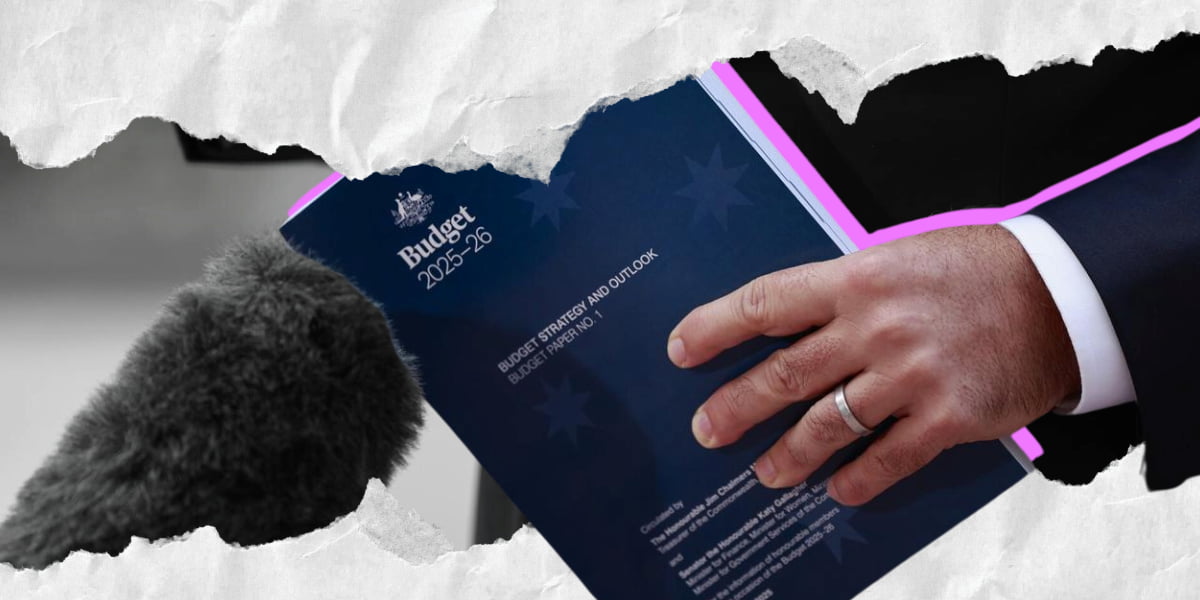
The “solulu” to our problems
Update: 28/03/2025 This article was updated to reflect the date of the Federal Election 2025.
Picture this: journalists are invited to Canberra to get first-hand access to budget documents, their phones are locked up for hours, they go through budget papers for hours and finally they get to hear the Treasurer’s (Jim Chalmers) conference.
Yes, it’s the Federal Budget.
If it wasn’t already obvious, the budget is huge. And breaking it down is no small feat.
We should still read up on everything the budget covers but if you’re wondering what the budget has in store for students, we break it down below.
But first, what’s new with this budget?
The budget is the plan for how the government is going to spend and save their money for the next financial year.
Why does it matter? Because it makes us aware where taxpayers money will go.
This particular budget is important because of the upcoming federal election – so it could determine how people vote.
The Federal Budget is normally announced in May but because of the election timings, this year it’s been announced in March. The Federal Election has been announced for 3 May 2025.
This year the government also invited thirteen social media content creators/independent media outlets to the advanced reading of the papers.
Student debt.
This is arguably the biggest thing in the budget for students.
This year’s budget announced the government would reduce student debts by 20 per cent. The gov has previously teased us with this possibility but now it’s made its way into the budget.
For example, a uni grad with a debt of $27,600 would have $5,520 wiped from it.
However, this is dependent on legislation being passed after the Federal election and it’s also dependent on Labor winning the election.
Taxes.

If you’re earning between $18,201 and $45,000, your tax rate will decrease from 16 per cent to 15 per cent from 1 July 2026.
And from 1 July 2027 this will drop to 14 per cent (so you’ll be paying less tax).
If you’re earning below $18,201 – you won’t be getting any relief but you won’t be taxed either.
Medicare.

The Medicare levy low-income threshold will be increased for singles, families, seniors and pensioners – meaning the income at which these people start paying the levy will be increased.
The following will be exempt from paying the Medicare levy:
- Singles earning $27,222;
- Families earning $45,907, with an extra $4,216 per dependent child or student;
- Single seniors and pensioners earning $43,020; and
- Families of seniors and pensioners earning $59,886;
Cost-of-living.

If you pay for an energy bill, you’ll be getting an extra $150 off the bill as the energy rebate has been extended to 31 December 2025.
Every household and “around 1 million small businesses” will receive two $75 rebates off their quarterly energy bills.
And there was also an announcement of 45 per cent increase in the maximum Commonwealth Rent Assistance and the intro of ‘A Better Deal for Renters’ policy.
Topics
Ref: 5e5971aa-a7d7-410d-a93a-b2ac0061467d





Comments & Feedback
Share your opinion
Emoji cheatsheet Formatting Comment guidelines