An Explainer on American Gun Laws and How They Differ from Australia’s
There have been 27 school shootings in America just this year.
In the wake of a devastating mass shooting in Texas today, newsfeeds are filling up with more than just thoughts and prayers.
Urgent calls for amendments to U.S. gun laws have resounded across the country, with prominent figures like Senator Chris Murphy and basketball coach Steve Kerr expressing their grief and begging for reform.
Sen. Chris Murphy delivers remarks on Uvalde, Texas elementary school shooting: “What are we doing? What are we doing?…This only happens in this country and nowhere else. Nowhere else do little kids go to school thinking that they might be shot that day." https://t.co/Zh3OvUaIwm pic.twitter.com/TjJVoaFbRN
— ABC News Politics (@ABCPolitics) May 24, 2022
Steve Kerr on today's tragic shooting in Uvalde, Texas. pic.twitter.com/lsJ8RzPcmC
— Golden State Warriors (@warriors) May 24, 2022
If you’re not an American citizen, it can be difficult to understand the customs and rhetoric around gun laws in the U.S. So let’s walk through it.
What is the history of gun laws in America?
To understand why many Americans stand firm in their belief of gun rights, we need to take a look at their complicated history.
It all began with the Bill of Rights, ratified in 1791. This consisted of ten amendments to the U.S. constitution following the end of the American Revolutionary War, in which the U.S. became independent from Great Britain.
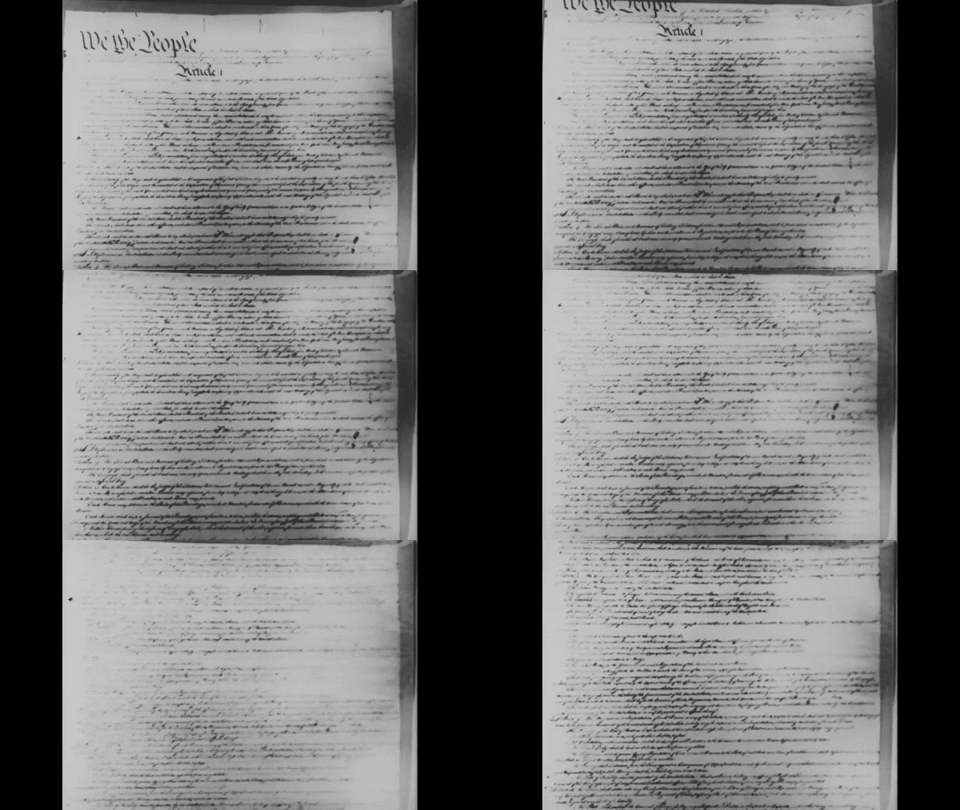
The second amendment states: “a well regulated Militia, being necessary to the security of a free State, the right of the people to keep and bear Arms, shall not be infringed.”
It’s been deeply rooted in American society that citizens should have the right to protect themselves against the State and any outside threats.
Four in ten U.S. adults say they live in a household with a gun, according to Pew Research. And most of them cite “personal safety or protection” as the reason they own a firearm.
What about the history of gun laws in Australia?
Gun laws were the jurisdiction of the states and territories until 1996.
Following the infamous Port Arthur Massacre and several other high-profile shootings, the federal government issued the National Firearms Agreement.
The government bought back more than a million guns from citizens and destroyed them—this was possibly a third of the national stock.
Austrailia, people. They outlawed all semi-automatic weapons and tighter overall gun laws after a mass shooting. There are no more mass shootings in Australia. We need to get with the 21st century!
— Tina Freeman 🌊💛💙🌻 (@TinaFreeman67) May 24, 2022
Now, an Australian citizen must have a firearm license and a "genuine reason" (not including'self-defence') to possess or use a gun.
There has not been a mass shooting since.
What are American attitudes towards guns today?
In short: it’s extremely polarising.
Pew Research reports that “attitudes about gun violence differ widely by race, ethnicity, party and community type.”
For example, 82 per cent of Black adults say gun violence is “a very big problem” compared to 39 per cent of White adults.
There’s also a huge split between the views of the Democratic Party and Republicans, with 73 per cent versus 18 per cent. And there’s the major issue of gun lobbies.
What are the prospects for gun reform?
One of the biggest obstacles in the way of reforming gun laws in America is the influence and power of gun lobbies.
The biggest gun lobby is the National Rifle Association (NRA), founded in 1871. It promotes the ownership and use of guns, and according to the BBC, is “among the most powerful special interest lobby groups in the US, with a substantial budget to influence members of Congress on gun policy.”
Joe Biden expressed his frustration with the lobby in his address today.
For every parent, for every citizen, we have to make it clear to every elected official: It’s time for action.
— President Biden (@POTUS) May 25, 2022
We can do more. We must do more. pic.twitter.com/VDe0Wc7YT8
“As a nation, we have to ask, when in God’s name are we going to stand up to the gun lobby? I am sick and tired of it. We have to act. And don’t tell me we can’t have an impact on this carnage.” (Deadline).
As the nation still reels from the horrifying shooting today, the politics of gun laws will continue to simmer in the background–perhaps even to boiling point.
Topics
Ref: 6956120d-1c3b-405e-bdb5-aea0005d6987






Comments & Feedback
Share your opinion
Emoji cheatsheet Formatting Comment guidelines