COVID Has Forced Gen Z to Skip Meals to Get By
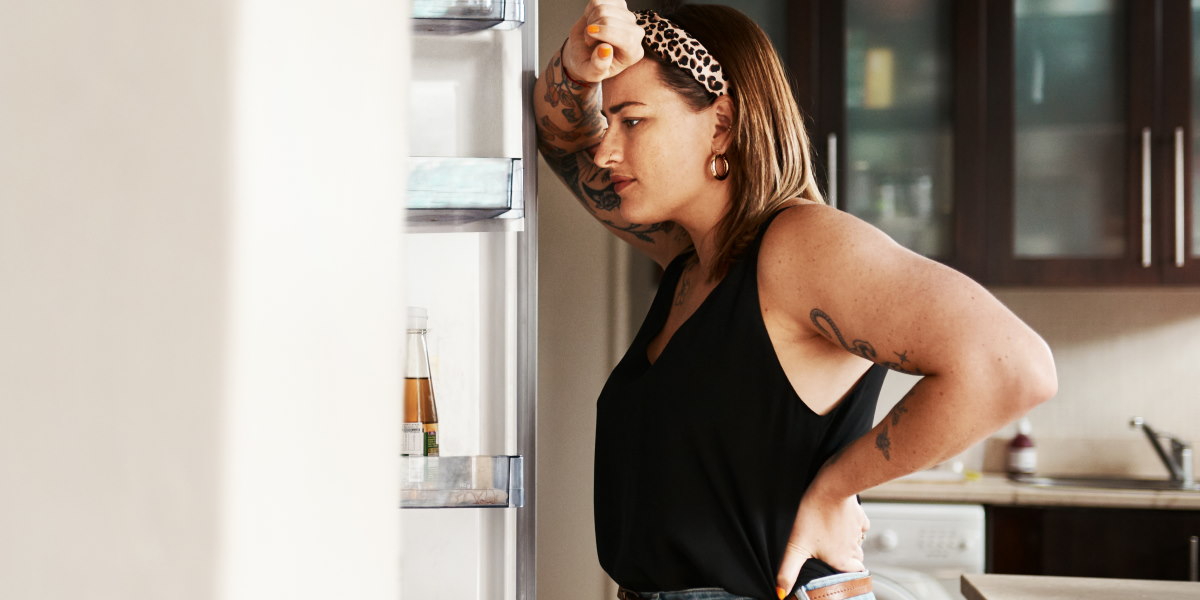
And three in ten Aussies are experiencing food-insecurity for the first time.
While it seems like Australia is finally in control of the coronavirus curve, the effects of the pandemic will keep hitting us harder and harder as each day goes by.
A new report released by Foodbank Australia has found that more people than ever before are going without food in Australia and young people are the largest group to be affected.
The survey conducted between 25 June and 15 July 2020 found that almost a third of Australians who were experiencing food insecurity in 2020 had never experienced it before the pandemic and international students and the casual workforce were the newest and hardest groups hit.
According to the report, the main groups accessing food relief before the pandemic were single-parent families, families living on a low income, the unemployed, people with mental illness and the homeless. But since COVID kicked up in about March, most of these groups have become even more vulnerable and are requiring access to food relief more often.
Young Australians are an emerging yet massive group who are now much more likely to be struggling financially as a result of the pandemic. As most young people are more likely to work casually, many have lost their source of income or had their income heavily reduced when businesses had to close or cut staff.
Young Aussies are facing food insecurity at a rate much higher than our older generations, with 65 per cent of food-insecure Gen Zs going hungry at least one day a week compared to 25 per cent of food-insecure Baby Boomers.
65% of young Aussies (gen Z, followed by gen Y at 57%) are going hungry at least once a week in the pandemic. here's all the deets + how to access help if you need it (because its not something to be ashamed of). https://t.co/ExD254SoC3
— Lavender Baj (@lavosaurus) October 11, 2020
International students have also been put in an extremely difficult position. Due to their visa regulations, international students in Australia have been basically ineligible for any government assistance during the pandemic.
International students made up a big chunk of the casual workforce that saw jobs disappear as soon as the pandemic hit and are now unable to travel back home to their families so that they can be supported.
While JobKeeper and JobSeeker has kept some people afloat for the time being, many Aussies are worried about how they will get by when these supplements are withdrawn. More than 35 per cent of individuals receiving government assistance don’t know how they will cope or expect to not be able to cope well at all.
A whopping 80 per cent of Australians receiving the JobSeeker payment have found that the $300 cut to the payment will mean they will no longer have a choice; they will definitely have to both skip meals and reduce how much fresh fruit and vegetables they buy each week.
With so many more Aussies needing food relief, charities have been inundated and can’t keep up. Founder of Survivors R Us NSW Ann-Maria Martin says her demand for food relief has doubled.
"I have never seen the line as long as it was just to come and get some food relief…through foodbank, my ordering has gone up twofold to try and keep up with the demand so it has really increased a lot for us. we probably had around 100-150 people a week before the pandemic and this has gone up to about 500 people a week," she said.
Coronavirus Australia live news: Foodbank reports surge in demand during COVID-19 pandemic https://t.co/OJxsA7ntX7
— Asher Wolf (@Asher_Wolf) October 12, 2020
The impact of doing it tough and having to skip meals takes a huge toll on a person's physical health, but is just as detrimental to someone’s mental wellbeing. According to the report, more than half of food-insecure Aussies say they have experienced a decline in their mental health since coronavirus hit, with the most common emotions experienced being stress at 49 per cent, depression at 46 per cent, anxiety at 41 per cent and sadness at 39 per cent.
Are you experiencing suicidal thoughts, sexual assault or domestic and family violence? Seeking to support someone who is? Call Lifeline on 131 114 or Kids Helpline on 1800 551 800.
Visit ReachOut to get support to help you with everything from everyday issues through to tough times.
Header Image: PeopleImages via Getty Images
Topics
Ref: 5b4a3ef2-06ca-4501-8e30-ac5300427a3a






Comments & Feedback
Share your opinion
Emoji cheatsheet Formatting Comment guidelines