Easy Ways to Make Student Meals Healthier for Cheap
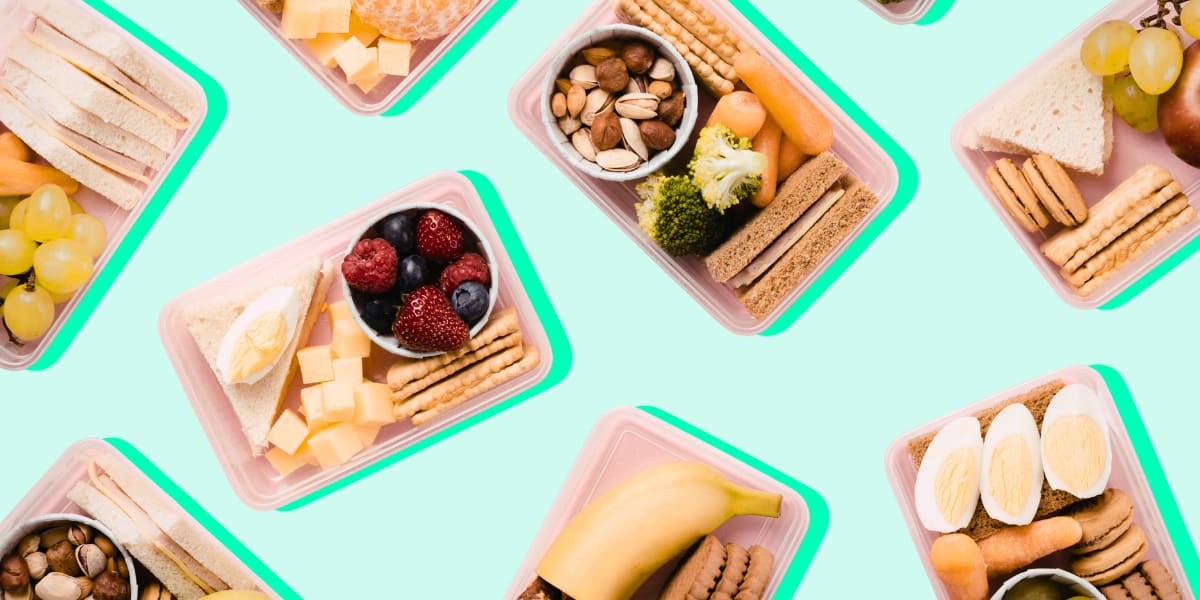
How to get in your nutrients on a budget 🥕
While most people want to be healthier and more conscious of what they’re eating, it can be tricky trying to find ways to get in more veggies or fruit without breaking the bank or letting them go bad in the fridge because you forgot to eat them.
Plus, it can be a lot easier to reach for those quick meals like 2-minute noodles or microwave mac and cheese because you don’t have the energy or time to cook.
Which is totally fine! Eating healthy and getting in the things your body needs shouldn’t be about taking away things from your diet but about adding to your diet.
Add one vegetable to everything.

You don’t need a full salad, just some veggies on hand that can be easily added to meals. For example, you can buy frozen veggies like spinach, broccoli, cauliflower, carrots, peas and green beans to keep in the freezer and add to your meals.
Toss spinach or frozen veggies into 2-minute noodles, add grated carrot or zucchini to pasta sauce, throw capsicum or mushrooms onto frozen pizza and keep frozen mixed veggies on hand for stir-fries.
And if you can’t add veggies to your meal, try having them as a snack. Try some cucumber or celery with some dip for example.
Small add-ons can make for a big nutrition upgrade.
Upgrade your protein.

Protein keeps you full for longer because it takes longer to digest than other types of nutrients. It can potentially help you prevent snacking and that 3pm energy crash.
You can swap regular mince for lean beef or chicken, add canned tuna or chickpeas to pasta, stir an egg through fried rice or noodles or choose Greek yoghurt over regular yoghurt.
High protein foods include meats like beef and chicken, salmon, tuna, eggs, tofu, black beans, quinoa, lentils, almonds and peanuts.
While you can reach for those protein bars you see in the health food aisle, it’s generally a lot cheaper (and tastier) to go for more whole foods.
It’s cheap, filling and a lot more balanced.
Make simple carb swaps.

While there’s no need to go into full health kick mode and try going keto, you can make some simple but efficient changes with the carbs that you eat.
You can buy wholegrain bread and wraps over white, get brown rice instead of white rice and high-fibre cereal instead of sugary options (which you can sweeten with a bit of honey if it’s too bland for you).
These options mean you’ll stay fuller for longer, meaning fewer snack raids later.
Cut back (without cutting out everything).

You don’t have to eliminate anything from your diet; you just need to tweak it.
Some simple changes could be using half the flavour sachet in instant noodles, choosing sale-reduced canned goods, swapping creamy sauces for tomato-based ones and adding herbs, garlic or chilli for flavour instead of extra salt.
You don’t need to have a ‘perfect’ diet, you should just aim to add something fresh to your meals, add some protein and swap when it’s easy.
You can still enjoy a bit of junk food here and there but it’s all about balance.
This article does not constitute as health advice. Student Edge recommends maintaining a well-balanced diet. For more information, please visit Health for every heart by 2025 | Heart Foundation .
Topics
Ref: 5896404f-3dca-4a67-8d3c-b40900577905






Comments & Feedback
Share your opinion
Emoji cheatsheet Formatting Comment guidelines