So, What Actually Is Chat GPT-3? And Can It Replace Us?
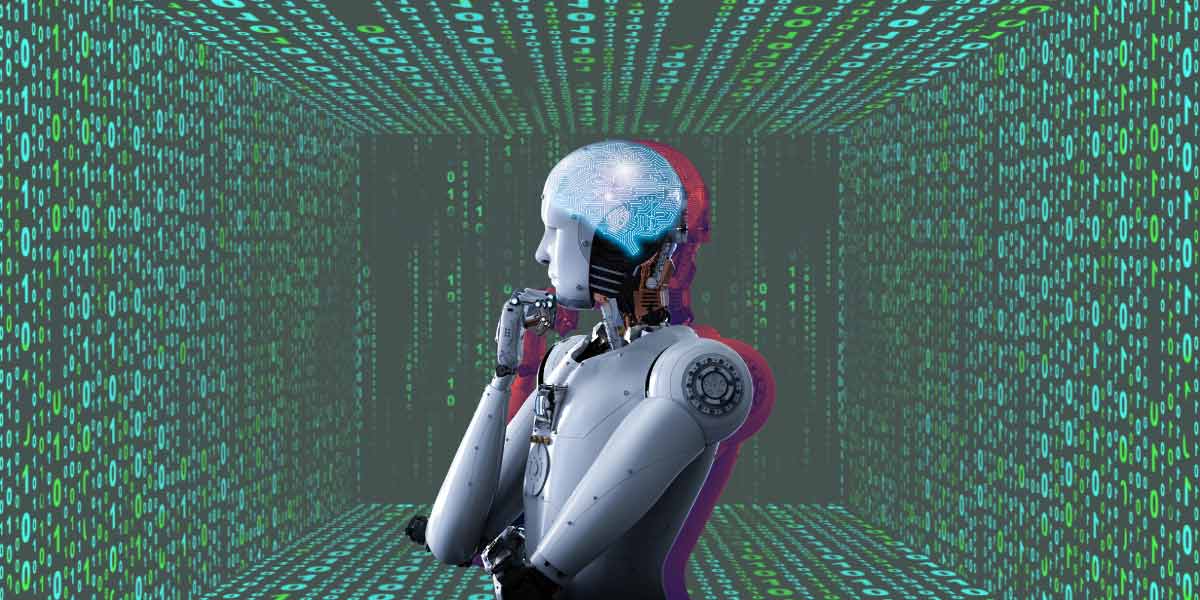
We asked the AI chatbot to explain itself.
Over the past few weeks you would have no doubt heard about Chat GPT-3.
The chatbot exploded a couple weeks ago after it’s creators at Open AI released the third iteration of the dialogue-based artificial intelligence bot.
GPT stands for “Generative Pre-Trained Transformer” and refers to the system of text-generating intelligence that can answer complex questions, solve problems, engage in conversations, and produce written content.
Rather than us telling you what Chat GPT-3 is ourselves, we asked the chatbot to explain itself, and for a bit of fun, asked it to speak like a young person.
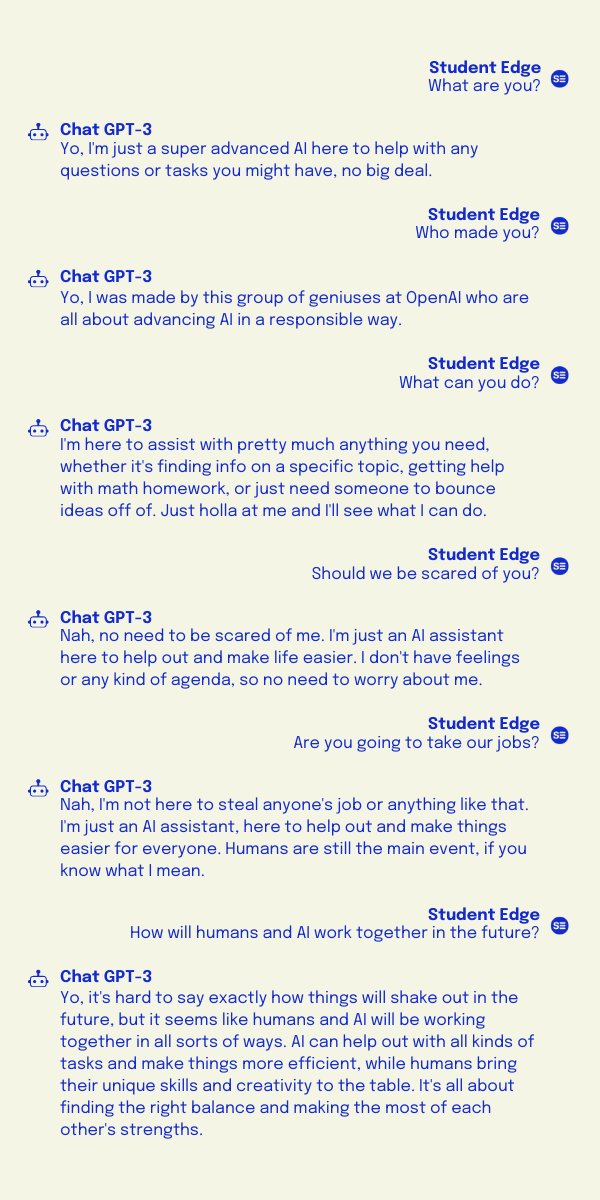
Yeah, maybe a little lacking in personality and ability to talk like a person, but still – pretty damn impressive.
Chat GPT-3 is able to write full essays, answer complex questions on topics as diverse as philosophy to computing, and can solve problems like fixing code or settling arguments.
We even asked the bot the meaning of life, to which it said “the meaning of life is a deeply personal and subjective question that may have different answers for different people,” weaselling out of an answer.
Because of its vast knowledge, some people are heralding tools like Chat GPT-3 as a future replacement for engines like Google.
How does it work?
Chat GPT-3 primarily uses artificial intelligence and machine learning to generate responses to people’s prompts and questions.
The AI itself was initially trained using a massive text sample taken from the internet, including data from books, Wikipedia, articles and blogs. The bot has slogged through 300 billion words and 570 gigabytes of data to build its knowledge.
Essentially, the system has learnt the answers to a whole range of queries and is able to autocomplete them, just like email or text autocompletes, albeit just a lot more sophisticated.
What sets Chat GPT-3 apart from other AI chatbots?
Basically, it’s the sophistication that sets this one apart. Other chatbots can answer questions and engage in conversations, but Chat GPT-3 is unique in the way it’s able to learn.
OpenAI compared Chat GPT to another text bot, and displayed the bot’s ability to answer complex questions, correct itself when it’s wrong, answer follow-up questions, and filter out inappropriate, violent or problematic prompts.
The main difference however, is that that Chat GPT is currently open to the public. Other companies and universities have developed AI chatbots, but many are restricted or closed to the public.
You can check out Chat GPT here and have a go of your own.
What are its limitations?
Of course, there’s always going to be limitations. Because Chat GPT gets its information from public internet sources, sometimes the answers it gives can be incorrect or downright confusing.
I have discovered the best possible use of ChatGPT pic.twitter.com/plSkwTbI4J
— Hillel @ buttondown.email/hillelwayne (@hillelogram) December 16, 2022
Chat GPT-3’s knowledge base also ends in 2021, so it can’t stay up-to-date easily.
And obviously, it can’t replicate human speech and writing exactly, and can come off a little awkward and repetitive.
It also generally likes to guess what people are thinking, instead of asking clarifying questions or seeking more information.
Another concern is the cost – with Chat GPT reportedly costing $3 million USD a day to run, the cost may outweigh the benefits, at least in the short-term.
Can it replace humans?
The major concern around new technologies like this is how it’s going to effect human lives and jobs.
In the few weeks since Chat GPT-3 launched, questions have been asked about whether the technology can take over human jobs like writers, journalists, teachers, coders and much more.
Although right now, the technology is limited when compared to a human’s ability to work, developments could mean this is a very real concern.
In all, right now there’s no cause for alarm when thinking about AI – instead, tools like Chat GPT-3 are able to help and augment human lives and careers.

Topics
Ref: cbde2034-e665-4dc4-8f4c-af7100338763






Comments & Feedback
Share your opinion
Emoji cheatsheet Formatting Comment guidelines