Car Dashboard Symbols/Lights You Should Know so Your Car Doesn’t Die on You
“She’ll be right” no she won’t, go fix your car mate 🚗
This article is part of our series 'What You Wish You Knew as a Student'. You might find in-article games where you could play to win. To read more articles from this series and find more games, head here.
We have to admit, some of us in the Student Edge team did not know what these lights/symbols meant when we saw them.
Which is really bad.
Because some of these symbols are pretty big warnings. So, if these are coming up in your car you should definitely know what they mean, and what you have to do.
Engine light.
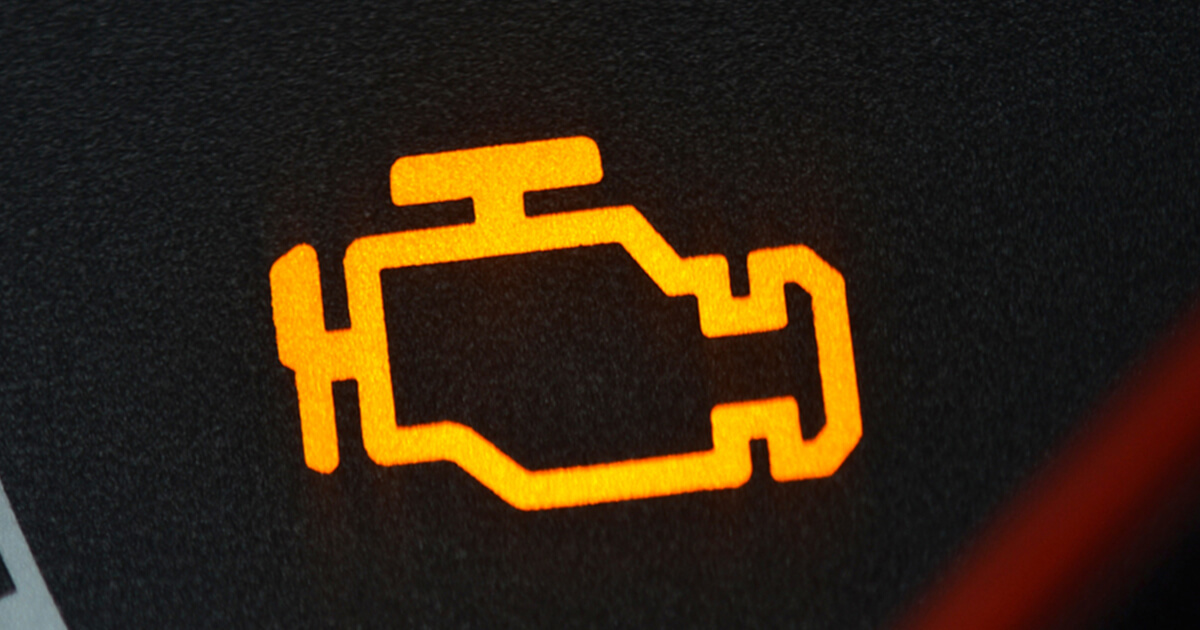 This is probably the one everyone hates to see coming. It’s your check engine light symbol. It means there is something wrong with your car’s emission control system and you should get it checked out ASAP.
If the check engine light comes on when you turn your car on, then you should not drive the car. Call your mechanic to get it checked out.
If it comes on when you are driving your car and everything looks ok, don’t panic but you should get your car home or to a mechanic straight away. If the check engine light comes on while you’re driving and your car begins to make noise or isn’t operating as it normally does, pull over safely and call for a tow.
You don’t want to put yourself or anyone else on the road at risk!
Oil pressure warning light.
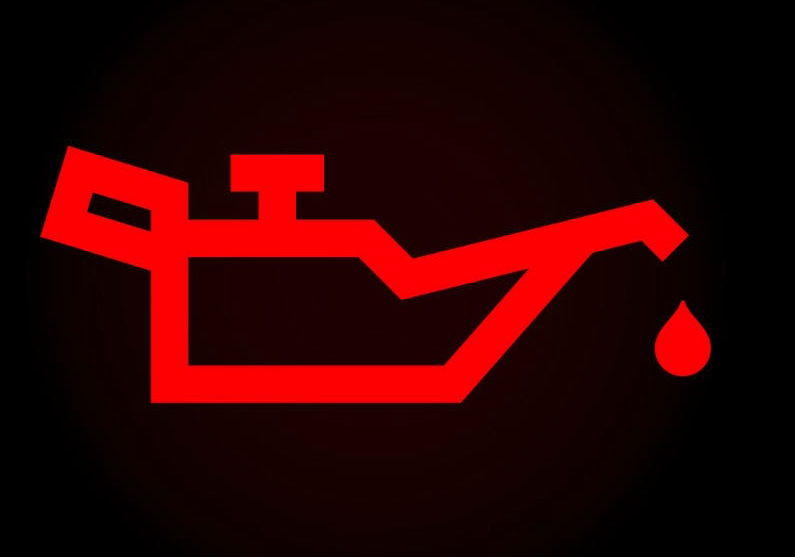 If it looks like a gravy boat just lit up your dashboard, that would be your engine oil warning light. And it means there’s a problem with your engine oil pressure.
It could just be a sign you need your oil topped off. Or, on the other hand, it could mean that there’s been a leak in the engine.
If the engine's dipstick shows oil levels are low, try adding oil, if you feel confident enough to do so. If you’re unsure how to do this, ask a family member or friend who knows how to.
Once you do that and the light is still on, it would be best to get it checked out. Driving with the oil pressure light on could mean a big $$ car bill down the road.
Battery warning light.
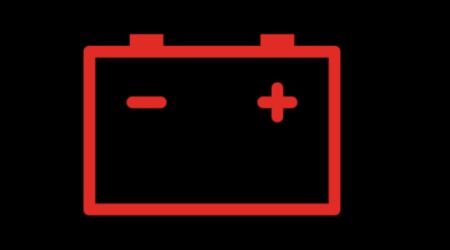 Usually, this light flicks on alongside a weird noise your car might make to indicate that something is wrong with the battery. You’ll most likely need to charge your battery or jumpstart the car.
If you haven’t got the ability to charge the battery, you’ll either need to call roadside assistance or take your car to a mechanic.
Overheating or coolant warning light.
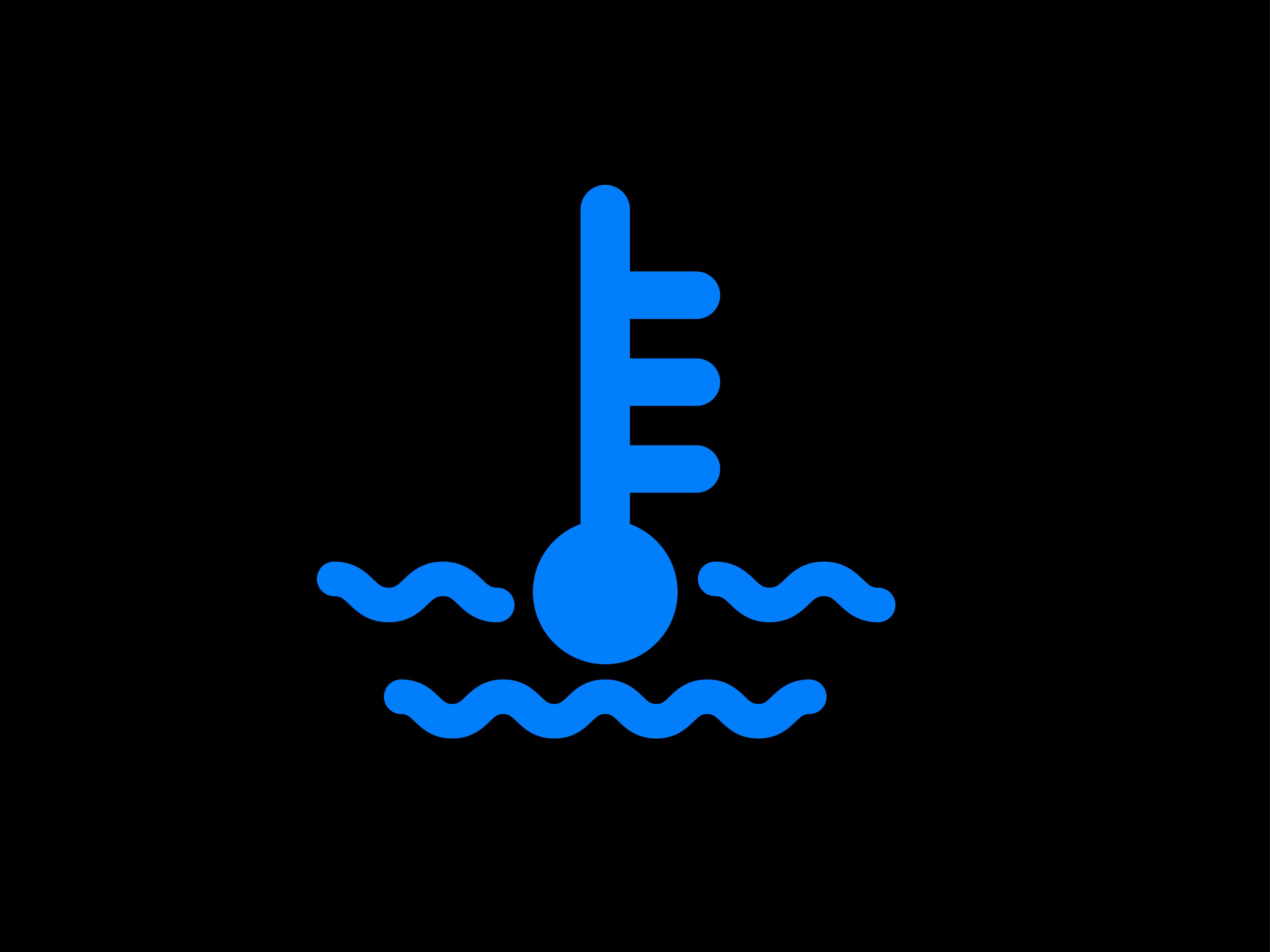 This symbol is often a thermometer symbol with wavy lines and indicates your vehicle’s engine is hotter than normal and could be overheating.
Most car experts say if this light has come on, it is not safe to drive your vehicle because you could risk damaging your engine.
Stop driving and let your car cool down. Once it has completely cooled, check your coolant levels and if it is low you may need to top it off. If the issue is still continuing, take it to a mechanic.
ABS light.
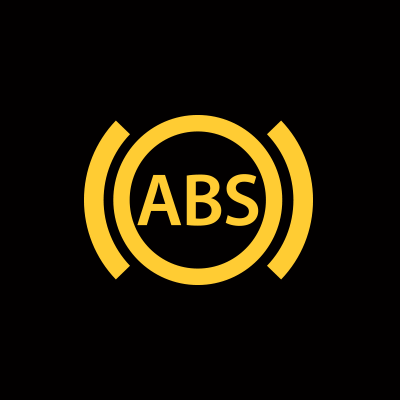 This is the Anti-lock Braking System. If it comes on in your car, it means there’s most likely a problem with, you guessed it, your anti-lock braking system.
We don’t know about you, but the brakes are definitely something we want working in our vehicles before we start driving.
The ABS prevents wheel lock-up during hard breaking and while the brakes might still be working, if the ABS is busted then you might have less control of stopping quickly in emergency situations or on wet roads and slippery surfaces.
Brake system.
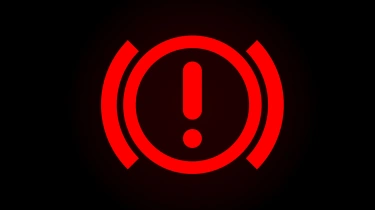 You will have most likely seen this symbol before as it usually indicates that the handbrake is engaged or ‘up’. If you start driving and you see this symbol on your dashboard, double check your handbrake isn’t engaged.
If you are driving and this line comes on and your handbrake isn’t engaged, then there could be a problem with the brake pads, or hydraulic fluid levels.
And while we’re no car experts, driving without a functional brake system is extremely dangerous so you should get this sorted ASAP.
High-beam indicator.
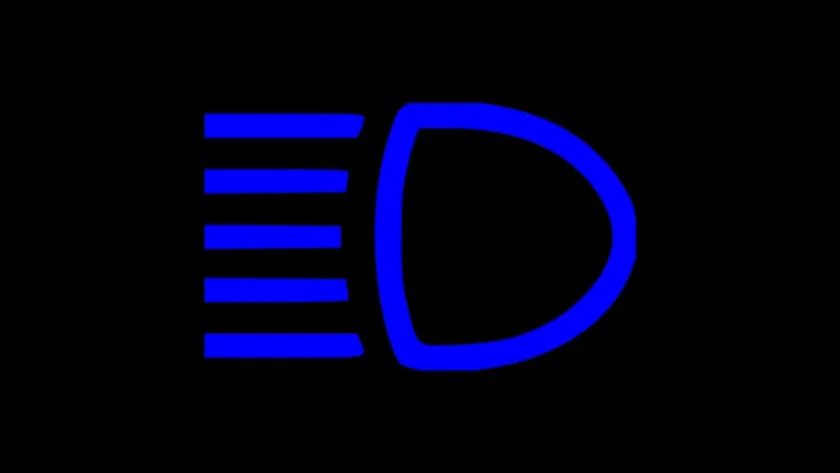 Your blue coloured, high-beam indicator light will come on if your high-beam lights are on. Different states may have slightly different rules on when to use your high-beams, but generally these lights should only really be used on rural roads or highways with no streetlights.
They’re used to improve visibility in low-light conditions when no other vehicles are within 200 metres.
If you’re using your high-beams and another vehicle is approaching, you should switch these to low beam lights, so you don’t accidentally impair their vision with your high-beams.
Low fuel light.
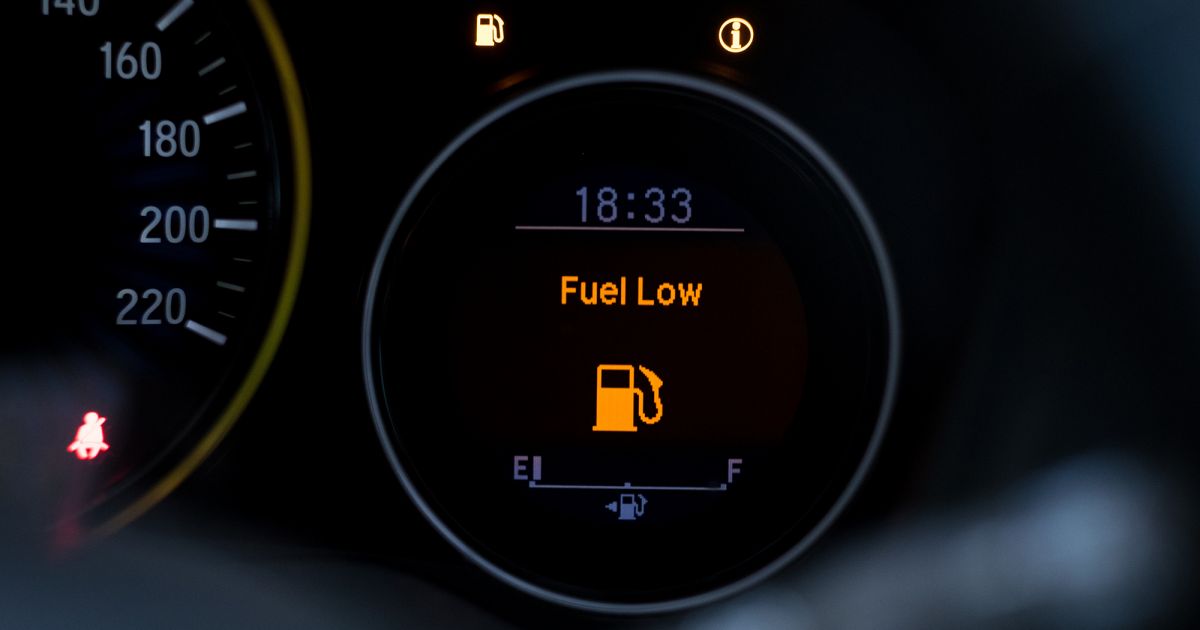 This means exactly what you think it means – you need to fill up your car with petrol as your car is running low.
When this light comes on in a car is different depending on the vehicle. It’s usually determined based on how much petrol is left in the tank.
But no matter what car, heed this warning and go and fill up some gas.

If you think there is something wrong with your car, even if there is no light flashing on your dashboard, it is always best to take it to a mechanic straight away.
Leaving it could mean your car issue becomes a bigger issue down the track which could mean a really expensive car bill or worse, having to get a new car.
Topics
Ref: 3d5f34a8-8586-419f-89bb-b32c005d6098




Comments & Feedback
Share your opinion
Emoji cheatsheet Formatting Comment guidelines