Fires Are Blazing in Western Australia’s South West—Is This the New Normal?
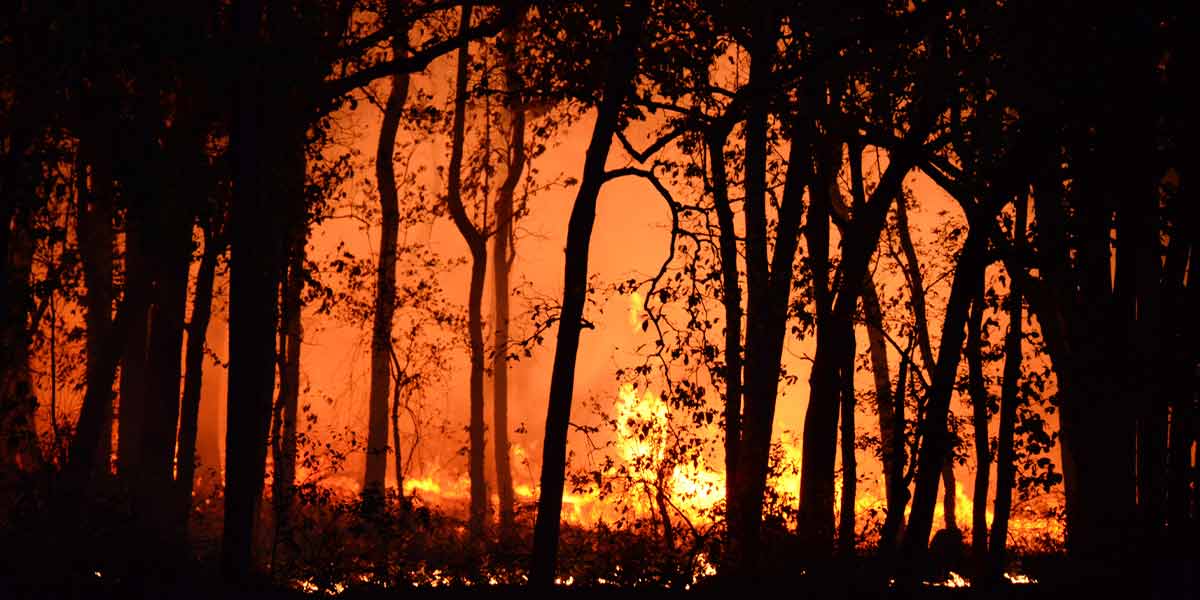
Here’s what you should expect in the coming years.
WA has been holding its breath as a horrific fire has been scalding its South West. In three days, it has already burned through more than 6,000 hectares of land.
Two NSW based large air tankers remain in WA today as they continue to assist @dfes_wa crews battling fires near Busselton & Margaret River. While more mild conditions are forecast today a number of warnings remain in place. Video: The fire yesterday near Margaret River #NSWRFS pic.twitter.com/C6RNcYk131
— NSW RFS (@NSWRFS) December 9, 2021
With the devastating New South Wales 2019-20 bushfires still fresh in our memory, you may be feeling a bit of déjà vu.
We’re here to walk you through why these fires keep blazing and if we should be bracing ourselves for even more.
There are numerous ways a fire can be started.
The cause of the current WA inferno is still being investigated. Being yet another disastrous event for Australia’s wildlife and residents of the area, you’re probably wondering how this keeps happening.
The CSIRO states that the most common cause of bushfires is lightning. However, this can also be combined with the weather and vegetation circumstances, which act like fuel for the fire to begin.
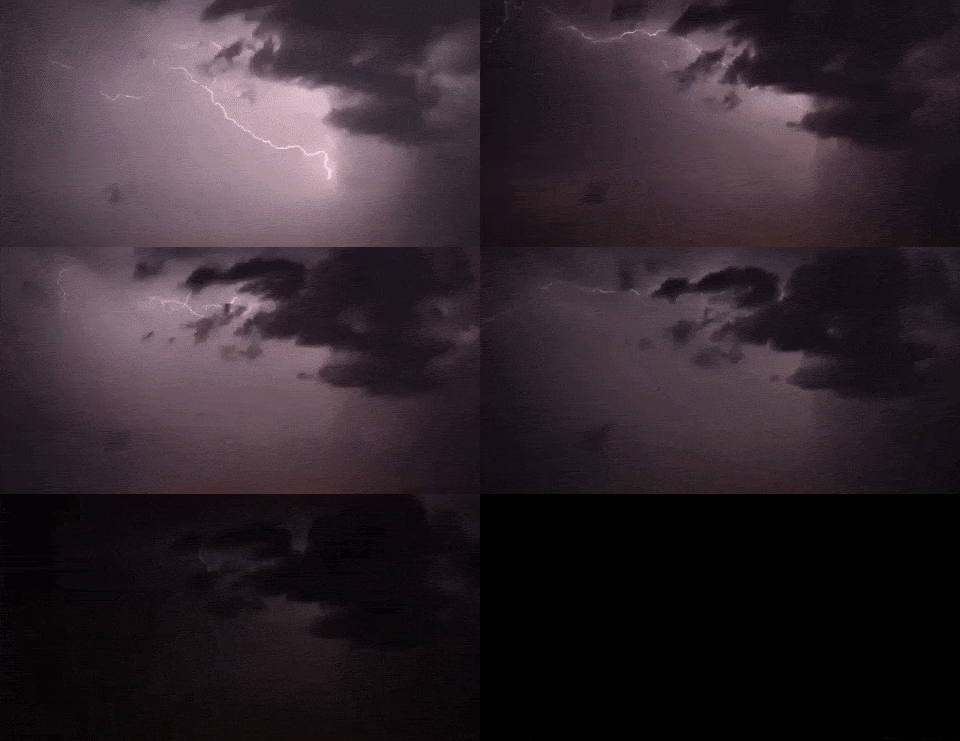
Human influences are mostly accidental and might include the use of machinery or unattended campfires.
Weather conditions, such as strong winds, can spread the fire or cause new ones by transporting embers.
Climate change is contributing to the frequency of bushfires in Australia.
The World Weather Attribution Consortium has found that human-induced global warming has led to more bushfires.
However, figuring out exactly to what extent is complicated.
There are so many factors including increased water-use drying out the land and urban heating effects which could be playing a large role.
The key takeaway, however, is that rising levels of CO2 are making Australia hotter, and this climate contributes to fires becoming more frequent and intense.
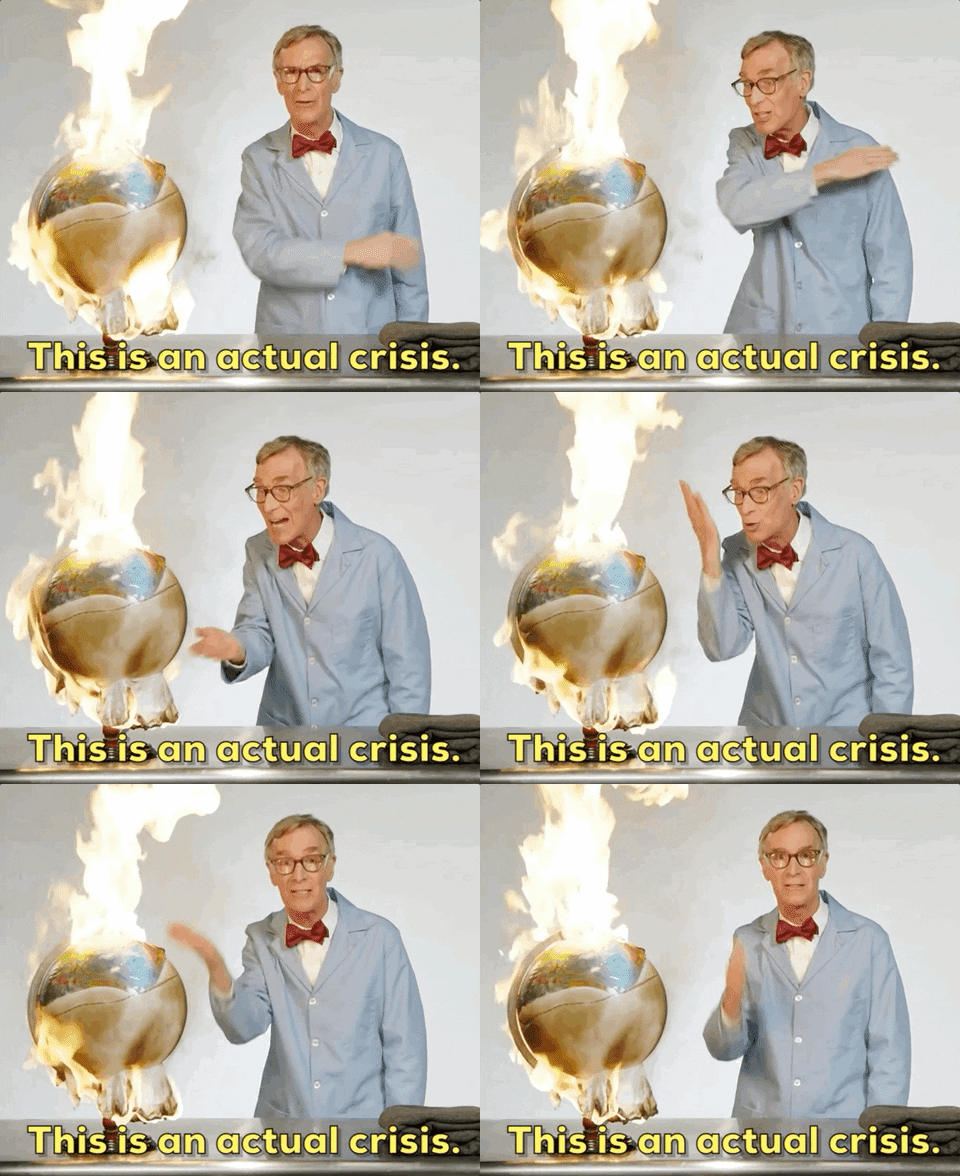
Australia will be experiencing more fires compared to last century.
Unfortunately, these won’t be the last flames we see for a while.
Research from the Bureau of Meteorology has found that Australia has been experiencing up to 20 extra days of dangerous bushfire conditions compared to mid-last century, and it’s set to get worse.
At the moment, La Niña is reducing fire risk over East. But longer term, there’s cause for concern.
The research found that climate change made the conditions for Australia’s 2019-20 bushfires at least 30% more likely.
Further to that, CSIRO found that three out of four ‘mega fire years’ (when more than 1 million hectares of forest burns in a year) since the 1930’s have occurred in the current century. This requires urgent attention.
The Bushfire Survivors for Climate Action has taken aim at world leaders to reduce carbon emissions this decade, recently calling for more action at COP26 in Glasgow.
This is just one of many recent events to signal the repercussions of climate change. You can read more about that here, plus tips on how to help. Stay safe out there!
Topics
Ref: 324ce94c-595a-4062-be60-adfa006967df






Comments & Feedback
Share your opinion
Emoji cheatsheet Formatting Comment guidelines