Australia Is In Its First Recession In 29 Years and It's All Thanks To ‘Rona
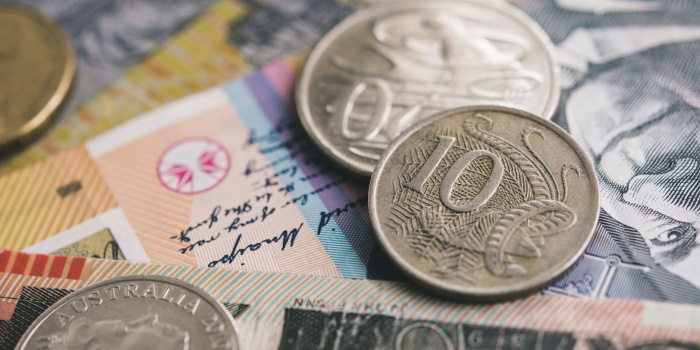
Here’s why and what it means.
After nearly three decades, Australia has entered another recession with the gross domestic product (GDP) experiencing its worst economic drop on record at 7 per cent in its June quarter.
In March, at the peak of the pandemic in Australia, the GDP also experienced a 0.3 per cent fall, meaning that the economy has been trending backwards for at least two quarters, confirming that we are in a recession.
If you’re not sure what this means and how it will affect our economy, let us break it down for you:
How Australia's record GDP fall compares to other economies #auspol @SBSNews pic.twitter.com/VQ9cxHkU72
— Brett Mason (@BrettMasonNews) September 2, 2020
What is a recession?
A recession refers to a period of economic decline, typically temporary and usually followed by a decline in trade and industry and a significant rise in unemployment, further affecting the economy.
Recessions are identified by a fall in GDP for two or more successive quarters, which Australia’s economy just experienced over the last few months due to the pandemic.
When a recession occurs, it can be really damaging to industry as businesses often lose a lot of money and staff likely lose work or pay. This can then lead to further unemployment and issues with living affordability.
While this isn’t the first time Australia has gone through a recession, it has been a long time since we experienced such a dramatic drop. The last recession that the country experienced was in 1991 where the economy shrank by 1.3 and 0.1 per cent.
The most recent drop to the economy is more than three times bigger than the previous record of 2 per cent in June of 1974, so this is a pretty big deal.
The impact of the pandemic
Due to the country's efforts to contain and prevent the spread of the coronavirus pandemic, a lot of the private sector was shut down.
When everyone worked, studied and shopped from home, a lot of stores, restaurants, accommodations and arts services were left with no customers and no other choice but to close.
Food and accommodation services in particular experienced the biggest hit, with output dropping down 39 per cent. This was quickly followed by a 17.6 per cent drop in those services spending as they were forced to shut and let go of staff.
As businesses were forced to shut down and staff lost work, Australians stopped spending in an effort to stay afloat.
Household expenditure fell 12.1 per cent, as the biggest drop in the private sector and with so few places to spend money, household savings leaped from 6 per cent to 19.8 per cent.
To put it simply, the pandemic really forced us to press pause on the economy and it hass left a lot of business owners and workers wondering what to do next.
How workers are affected
Workers are usually the hardest hit when a country enters a recession as a lot of employees are left with less work, less pay or even redundancy as businesses try to get by.
The share of workers’ income is the lowest it has been in a whopping 61 years with a drop of 2.5 per cent in total wages.
While millions of workers have lost income or work, many Australians were able to scrape by thanks to the Governments JobKeeper and JobSeeker programs. With the Australian Bureau of Statistics (ABS) stating the total wage drop would have been much worse without these programs.
The economy has basically been held together by these wage subsidies as they encourage businesses to keep staff and workers to spend rather than save.
What does it mean for me?
Whether you’ve taken a pay cut, lost work or been forced to study from home, the coronavirus pandemic and the resulting recession has already affected most of us and our everyday lives.
While the JobKeeper and JobSeeker payments are looking after some workers and job seekers right now, most people are likely to be spending less money, which many businesses will feel through their reduced sales.
With industry struggling there is likely to be less work going around which can be particularly tough on young Australians as it becomes harder and harder to compete for work.
For those who were able to stay in their work, it is unlikely that anyone will be getting pay rises any time soon.
sums up 2020 now that great depression is trending pic.twitter.com/VpNx1CX2u1
— PlzLeaveMeAlone (@AlonePlz) September 2, 2020
Header Image: Kritchanut via Getty Images
Topics
Ref: e341eefc-f233-4f9d-b028-ac2a00757b78

Most Popular


Comments & Feedback
Share your opinion
Emoji cheatsheet Formatting Comment guidelines
Oh no.