Australia Voted “Yes” on Marriage Equality, But What Happens Now?
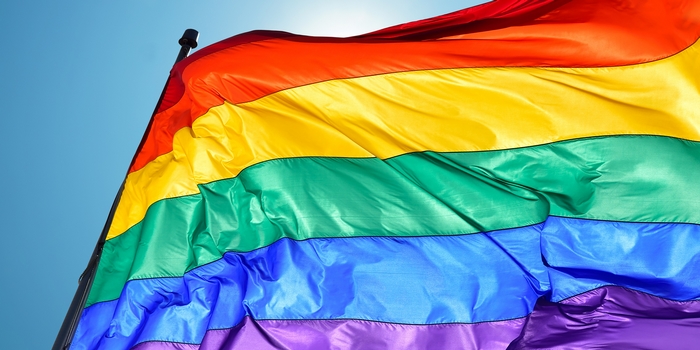
Today was a big win, but there's still a way to go.
Earlier today, the Australian Bureau of Statistics (ABS) revealed that the majority of Australians voted in favour of allowing same-sex couples to get married.
A total of 61.6 per cent voted "yes", with more than 12.5 million (or 79 per cent) of eligible voters participating in the voluntary survey.
Prime Minister Malcolm Turnbull announced earlier this year that if the result of the survey was a "yes", he would commit to having a vote in parliament before Christmas.
So, now begins the race to get the result drafted into a bill and passed into law before Parliament closes for the year on Thursday, December 7.
What needs to happen in Parliament?
While it appeared that there would be a contest between two competing Bills, Senator James Paterson today announced he would drop his Bill, while Senator Dean Smith has since introduced his Bill into Parliament this afternoon.
Senator Smith's Bill, of course, changes the definition of marriage that was outlined in the Marriage Amendment Act 2004 to extend to same-sex couples. It also includes reasonable protections for people holding religious views in what is seen as a fair compromise for the "No" side's concerns.
This means ministers and churches have the right to decide whether they want to marry same-sex couples.
Senator Paterson's proposed Bill, which was dropped earlier today, wanted to extend this right to wedding service providers such as cake chefs and florists; the Bill was heavily criticised by many. One of the critics included fellow Liberal Party member Senator George Brandis, who attacked the Bill on Today, declaring it be "morally wrong."
"If it's legally and morally wrong to discriminate against one gay person, I don't know how it becomes right to discriminate against two," Brandis told Karl Stefanovic on Today. "It's already against the law."
Since Senator Smith introduced the Bill today, Senator Brandis has offered two amendments, which include an extension of those religious protections to include civil celebrants as well as making sure the Bill allows for freedom of views on marriage equality.
Brandis to move 2 amendments to Smith's same-sex marriage bill:
— Jane Norman (@janeenorman) November 15, 2017
1. extend religious protections to "civil celebrants"
2. that nothing in the Bill makes it unlawful for people to hold and express their own views on same-sex marriage #auspol
According to Senator Smith's Tweet, the notice paper seems to indicate that, if all goes well, the Bill should be voted on before Parliament shuts for the year. This means Australia might actually legalise marriage equality in 2017.
Very exciting times, indeed.
What can I do while we wait?
It's really up to Parliament at this point given how we, as a society, have already done the hard yards. Now it's up to them to vote on it. As Senator Penny Wong said earlier today, "Australians have done their part and it is now time for the Senate to do its part."
Of course, there are still some simple things we can work on while we wait for the outcome of the vote.
1. Call your local politician.
The ABC has provided us with a handy guide to how all Senators and Members of Parliament will be voting once the Bill comes to them. Check your local MP or your state's Senator and if they're voting "no", contact them by writing a letter, sending an email or calling their office to discuss why you would want them to vote for the Bill.
2. Make your voice heard on social media.
Showing your friends on social media that you support the survey's result might seem like a small gesture, but it reinforces to any LGBTIQ friends that they are cared for and that can mean a big deal during this time. Join in on any social media campaigns to make sure that the Government is held accountable to its Christmas deadline.
3. Look out for your friends.
The most important thing you can do is keep an eye on your friends and family who might be having a hard time due to the debate and survey. Statistically, LGBTIQ youth have higher rates of mental health issues than the national average. The best thing you can do is talk to them to see how they're going and refer them to available support and helplines.
If you or anyone you know needs help, support is available right now. Call Lifeline on 131 114 or Kids Helpline on 1800 551 800.
Visit ReachOut to get support to help you with everything from everyday issues through to tough times.
Photo: iStock.com/mbolina
Topics
Ref: 905d7716-3994-4516-bc77-a82c005cbccf




Comments & Feedback
Share your opinion
Emoji cheatsheet Formatting Comment guidelines