Aussie Researchers Are Using Alpacas to Find a Coronavirus Cure
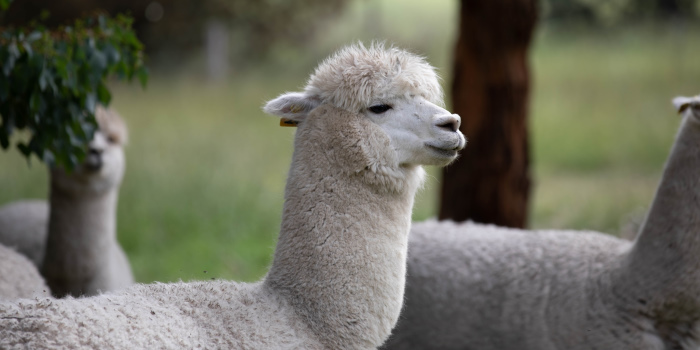
The unlikely heroes have emerged.
With the number of confirmed coronavirus cases continuing to rise across the globe, we have grown a new appreciation for the frontline workers and support providers who have been showing up to their jobs despite the threat of COVID-19.
Finally, supermarket staff have been getting the recognition they deserve, along with cleaners, healthcare staff, teachers and public transport workers.
Of course, researchers have also been working tirelessly to create a vaccination for the virus. And now, Australian researchers have found the key to a potential breakthrough: alpacas.
It may come as a surprise, but the furry animals could help Aussie scientists in the battle against coronavirus.
Researchers from ANSTO and Walter and Eliza Hall Institute (WEHI) have announced that they are studying alpaca antibodies in the hope of creating COVID-fighting therapies.
Why are they using alpacas?
Basically, understanding how the alpaca's unique immune system works could be essential to finding a cure for coronavirus.
WEHI has implemented a method that involves using alpaca nanobodies, which are small fragments of antibodies. These are the molecules our system produces in response to an infection.
By immunising alpacas with the spike protein from SARS-CoV-2 (the virus that causes COVID-19), researchers have been able to isolate the nanobodies. After that, they are screened for their ability to inhibit the interaction of the spike protein to infect human cells.
Yeah, it's pretty complex stuff.

Researchers are using a technique called protein crystallography to help identify potential vaccines and anti-viral medicines that could treat COVID-19. This technique has been employed across the world to help understand disease.
Protein crystallography involves shining a beaming light at the antibodies which are now held inside a crystal in order to study their shape and how they interact with the virus.
ANSTO's Australian Synchrotron Senior Principal Research Scientist, Professor Michael James, said they're looking at proteins that can help fight coronavirus or prevent its transmission.
"We're looking at proteins either by themselves or bound to other biological molecules or anti-viral drugs that can help fight the virus or prevent its spread," he said.
"These structures will provide invaluable information that will allow further development of antibody therapies against COVID-19."
Associate Professor Wai-Hong Tham, Joint Head of the Infectious Diseases and Immune Defence Division at WEHI, said the research could result in the development of anti-viral therapies to prevent or treat coronavirus.
While the research is undoubtedly exciting, scientists still have a long way to go before they can create a treatment.
After they work out what's going on at an atomic and molecular level, a whole heap of clinical studies will need to happen to make sure it's safe.
Header Image: Supplied






Comments & Feedback
Share your opinion
Emoji cheatsheet Formatting Comment guidelines