At-Home COVID-19 Tests Could Be Available in Australia From November
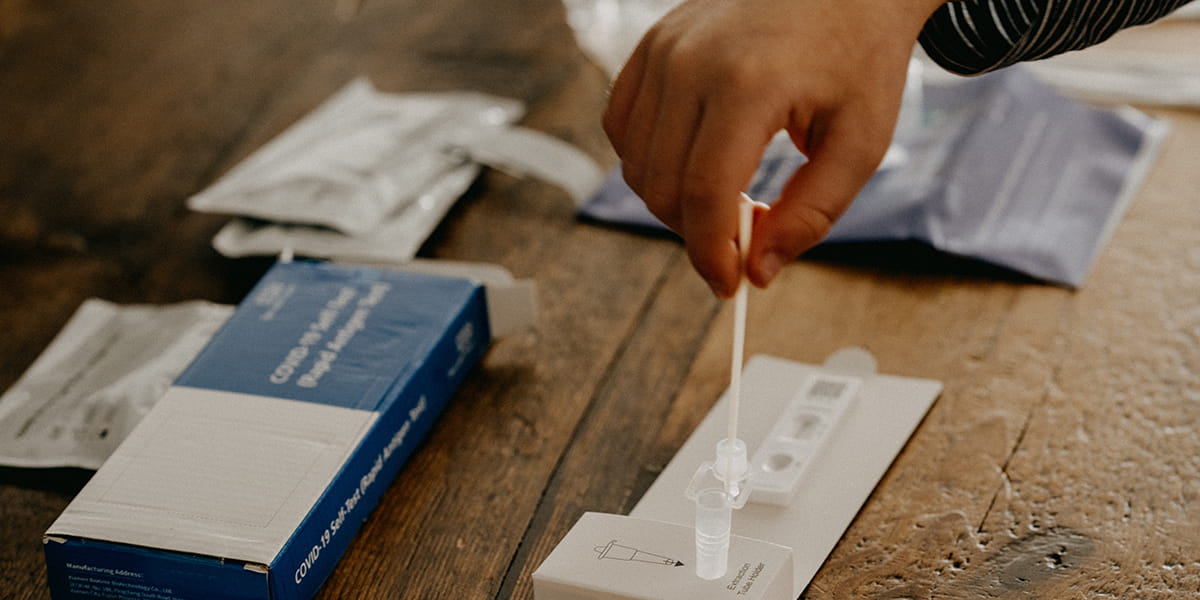
Flex those nostrils.
Got a tickly throat but aren’t keen on having someone else shove a medical swab up ya schnoz?
Well, worry no more ‘cos Australians could get their hands on at-home COVID-19 testing kits before Christmas.
Not the Chrissy gift I asked for, but beggars can’t be choosers.
According to the ABC, the rapid antigen tests that are really popular all over Europe and the US are on their way to Oz and are set to be widely used once they’ve been approved by the Therapeutic Goods Administration (TGA).

They apparently take just 20 minutes to give a result but are known to be less reliable than the more popular PCR tests used at COVID testing clinics.
So, if you’ve recently had the urge to scratch your brain in the comfort of your own home, soon you’ll be able to.
On Tuesday, Health Minister Greg Hunt told the press that test manufacturers can now start applying for use-at-home authorisation.
"Home testing will be available from November 1, obviously subject to individual tests being approved as safe and effective," Mr Hunt said.
"This is an important additional protection for Australians, home testing to support Australians and the national plan."
This is a huge game-changer, especially for Aussies that have been stuck in lockdown for months. It could soon mean shorter quarantine times, fewer lockdowns and faster contact tracing
Now, before you get ahead of yourself, home tests aren’t going to replace PCR tests. Instead, they’re just going to provide an additional option for people while restrictions start to ease.
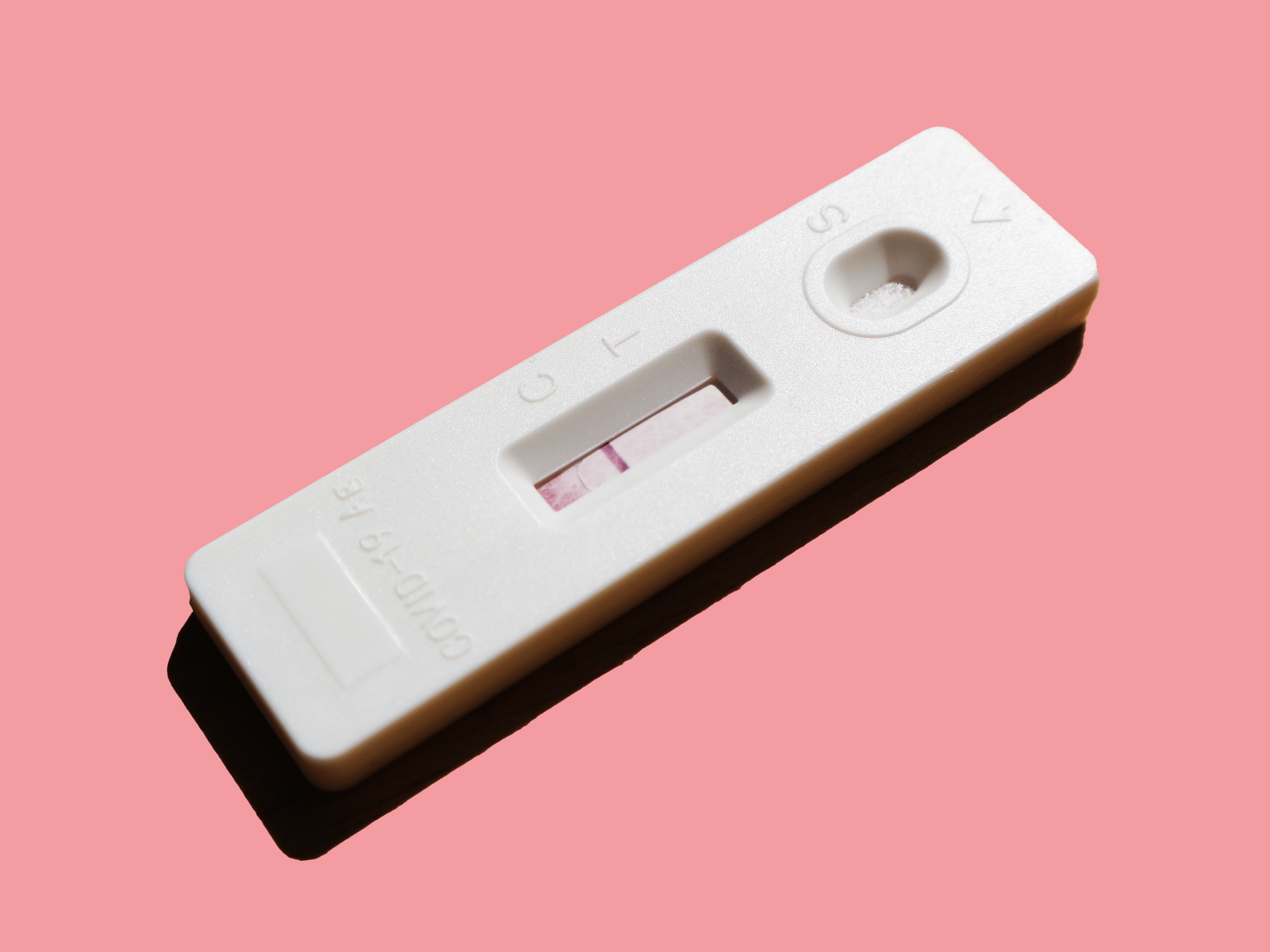 (Image: Roman Wimmers via Unsplash)
The Chair of Biostatistics and Epidemiology at the University of South Australia, Professor Adrian Esterman, explained that antigen testing works “almost the opposite” to PCR tests, and are best used for places like airports, schools, and transport hubs, where accurate testing isn’t as vital.
“They work by looking for proteins called antigens on the surface of the virus,” he said.
“They come in a test kit, a bit like the ones used for pregnancy, have results available in about 15 minutes, and are inexpensive.
“With respect to accuracy, they are not as good as the PCR test and tend to produce more false positives and false negatives, especially when there is not much COVID about. However, if someone has a positive rapid antigen test result, then they should immediately go for a PCR test. Rapid antigen tests work best when there is a high viral load, that is in the first two to three days before symptoms develop, and in the first week after symptoms.”
Once the tests land in Australia and are approved, most people should be able to purchase them from their local pharmacy.
So, while I can’t imagine peeps rushing to their local chemist to stock up on nasal swabs, I’m sure all of us can agree it’s gotta be nicer to test yourself rather than have a (qualified) stranger stab yo’ nose.
Header Image: Annie Spratt via Unsplash
Topics
Ref: c9cd62c1-6892-4c37-b4ca-adb200835adb



Comments & Feedback
Share your opinion
Emoji cheatsheet Formatting Comment guidelines