A Consent App Proposed By the NSW Police Commissioner Has Sparked Backlash: Here's Why
Trigger warning: this article discusses rape and sexual assault.
Last week we watched women and men all over Australia stand together in protest of sexual assault and violence against women, members of the LGBTQIA+ community and people of colour, calling for equality, justice, respect and fairness in Australia’s society.
Following the Women’s March 4 Justice, NSW Police Commissioner Mick Fuller took to The Daily Telegraph to suggest a technology-based solution to end rape and sexual assault, by advocating for a national ‘consent app’ to establish positive sexual consent.
The suggestion also comes after the NSW Police revealed that they had received 14,171 reports of alleged sexual assault in 2019. However, only 1,099 of those were charged, with just 376 people actually found guilty.
Mr Fuller explained that dating has changed, and we live in a technology-based world, so it would make sense to approach the issue of sexual assault in a new way.
"There is no implied consent. It needs to be positive consent. How do we do that in this day and age? One option is with technology," Fuller said
"Technology plays such a big role in our lives, potentially technology could be one of many solutions to trying to stop this increase in sexual violence in our state."
While Mr Fuller is correct in saying that consent needs to be positive and cannot be implied, others argue that the suggestion of an app like this actually misses the point of the problem and could potentially put more victims at risk.
You’ve probably seen a bunch of people on social media, in the last few days, talking about why this is such a dodgy idea, so let’s break it down.
A consent app that you sign BEFORE having sex completely ignores the fact that you can withdraw consent AT ANY TIME.
— Eden Gillespie (@edengillespie) March 17, 2021
What on earth is a consent app?
Essentially, the NSW Police Commissioner is suggesting a service, similar to state-based COVID safety apps that require you to scan a QR code before you enter a premises.
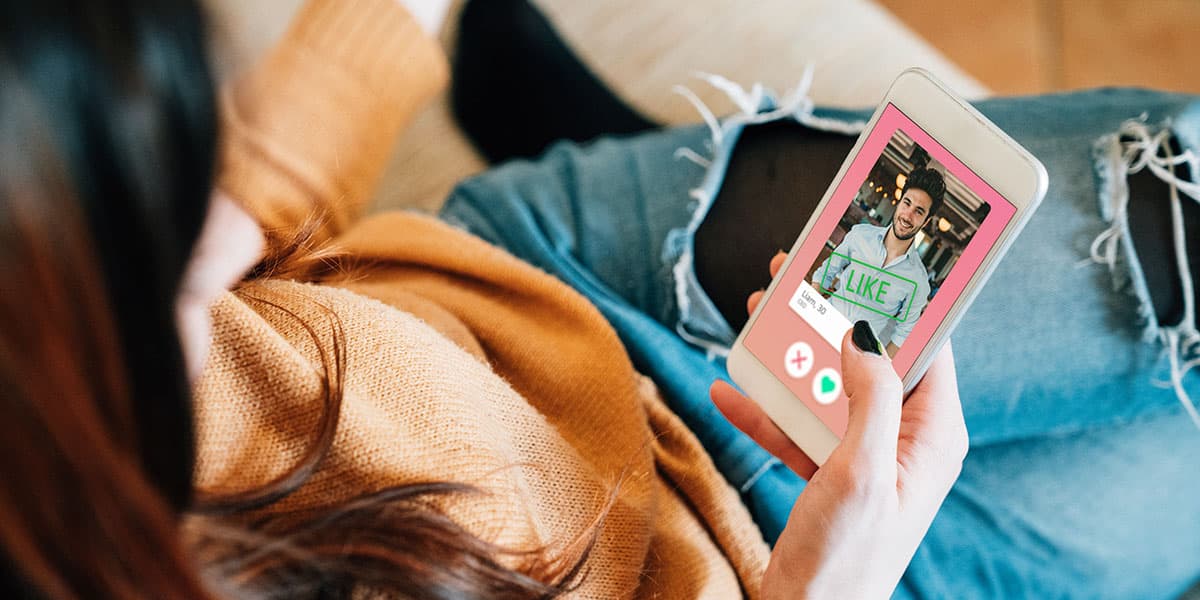
So, you would either have to scan a QR code, or swipe left or right (like you would on dating apps like Tinder) to record a 'yes' or 'no' before you engaged in sexual activity.
Mr Fuller also compared the idea to dating apps, claiming that if people can find love via the internet, they can consent to sex that way too.
The idea has previously been implemented in other countries like Denmark, but it hasn’t been around long enough for us to tell if it’s actually done any good for victims or potential victims.
Why has the idea received backlash?
Since Mr Fuller announced his suggestion, he received a lot of online and media backlash accusing him of minimising the issue of sexual assault and misunderstanding its complexities.
Even Chanel Contos, the former Sydney student who started a petition revealing over 2,000 alleged sexual assaults in Australian schools, criticised the idea.
“Consent can be taken back at any time, and an app couldn’t account for that,” she told the Sydney Morning Herald.
“It’s very reflective of how consent is seen; as a black and white thing. But consent isn’t a single sentence. It’s how people interact with each other as a whole.”
Mr Fuller did go on to defend his position on the app but admits that the idea could actually be terrible in certain circumstances.
I'm struggling to think of a way this app would ever help rape victims as it would do nothing to assist in prooving consent wasn't given. No matter how you cut it the rapist would always be the beneficiary in this kind of system.
— Matilda Boseley (@MatildaBoseley) March 17, 2021
Here's why:
Perpetrators wouldn’t necessarily use it.
Firstly, an app like this would only be used by people who are going to give consent.
As people have pointed out, anyone who intends to sexually assault another person likely wouldn’t go to all the trouble of trying to get a partner to use a consent app.
It doesn’t consider consent withdrawal.
The app that was suggested doesn’t consider instances of withdrawn consent.
According to Kids Helpline, consent is reversible. So, just because someone has agreed to engage in sexual activity in the first place doesn’t mean they have to continue with the action if they are uncomfortable; consent can always be withdrawn.
Alcohol, drugs and coercion aren’t considered.
The app also doesn’t consider instances of coercion or alcohol or drug consumption.
From what the NSW Police Commissioner has explained, the app would be a simple ‘yes’ or ‘no’ and is unable to measure blood alcohol, drug usage or any persuasive tactics a perpetrator may attempt to use.
also how does the app know consent wasnt given under the influence of drugs and/or alcohol
— keira (@keiiramart) March 18, 2021
It only implicates victims.
This kind of app would only implicate victims, not perpetrators. When women talk about wanting more justice in the fight against sexual assault, they’re commonly asking for men to stop sexually assaulting women and for the police to do better in convicting perpetrators.
Because this app would only record the acceptance of consent, if a person is sexually assaulted, this app would only prevent them from pursuing a criminal case against a perpetrator. Therefore, it's protecting the perpetrator, rather than the victim if sexual assault does occur.
It victim blames.
Finally, the main problem with an app like this is that it puts the responsibility back onto victims, or potential victims, rather than perpetrators and abusers, as many people have pointed out online.
Mr Fuller stated in a press conference on Thursday that a main aim of the NSW Police is to keep people out of the system. As some people have pointed out, this attitude only encourages structures that allow perpetrators to commit crimes and avoid the justice system.
“That can be something that assists us in trying to keep people out of the justice system, who are starting relationships and or friendships," he said.
If you need a brush up on consent, according to ReachOut.com, sexual consent must be explicit. It's vital to check in with your partner because you can't just assume, they're as into it as you are.
Additionally, your partner is always free to change their mind. Even if they originally said "yes", both people should stop if someone is uncomfortable.
Drinks and drugs also impact consent. If your sexual partner is intoxicated or under the influence of drugs and isn't sure what's going on, they cannot give informed consent.
Header Image: FilippoBacci via Getty Images
Topics
Ref: 40395130-6eb9-4771-9516-acf30069c88f






Comments & Feedback
Share your opinion
Emoji cheatsheet Formatting Comment guidelines