Why Don't More Young People Give Blood? Here's What You Need To Know To Donate
Bourke St Mall has become popular for a lot of things, usually related to shopping (first H&M in Australia; first Zara in Melbourne).
But while Balmain fashionistas camp on the steps of the GPO building awaiting the release of a new collection, they probably won’t notice the little blue sign on their way that says ‘blood donors’.
On the corner opposite the fast fashion hub that 91 per cent of women intended to visit in the three months immediately following its launch is the blood donation centre that will likely only attract a comparatively miniscule 0.7 per cent of 16-20 year-olds. So why is it that young people are donating less blood than the average three per cent? A quick, and completely unscientific, poll of my friends found that they were all meaning to at some point; however, despite being eligible for two years, they hadn’t gotten around to it.
So maybe young people, like my friends, just need a reminder.
Why Donate?
The most obvious (and most important) reason is that it saves lives. Your blood could make a huge difference to severe burn victims, patients with blood diseases or newborn children. Each time you donate, you impact the lives of three to four people.
It can also save your life. See, regular release of iron from the bloodstream keeps it from oxidising (linked to cancer) and it reduces the thickness and stickiness of your blood (which may damage your arteries). This makes blood donors less likely to develop life-threatening illnesses, from cancer to cardiovascular disease. Aside from that, it’s a free test for HIV, hepatitis and other diseases (just in case). Also, you lose something like 650 calories every donation. So if you ever need an elaborate justification for eating more than 100 grams of chocolate, this is it. And they give you free food to initiate your guilt-free binge.
The Fear Factor:
I’ve always been okay with needles. I was never the type to squeal, or cry, during immunisations. So that didn’t really prevent me from signing up to donate blood as soon as I could.
However, in between scheduling my first appointment and actually going, I had my first blood test (not entirely sure how I got to 16 without ever having one). It went terribly. The GP must have been busy that day because he clearly had no time for niceties or gentleness. Or maybe, as a GP, he was slightly out of practice. It is, usually, the pathologist or nurse’s job, after all.
He drove the needle into my arm, so much deeper than I was used to. I tore my arm away in pain. The needle fell out. He got blood on his shirt. As he went for the second try, I was just short of certain that I would cancel my donation appointment.
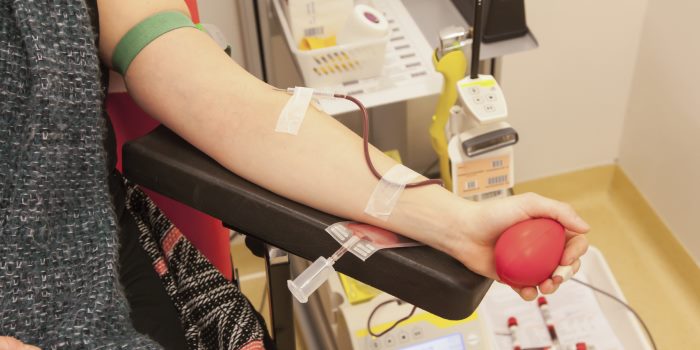
But I did go. I was nervous. And the pre-needle prick of your finger to test your haemoglobin levels, which hurts more than it should, did little to appease my fears. Luckily, it turns out that the little prick is actually worse than inserting the needle into your arm.
Since then, I’ve become a regular donor, most recently on Thursday. I’ve had chats with the nurses about Lenin’s womanising during the Russian Revolution and Justin Bieber’s increasingly mature music. It’s a weirdly enjoyable experience.
How To Get Involved:
1. Take the eligibility quiz. Basically if you’re over 16, weigh more than 50kg and are basically healthy, you should be good to go. Find out if you can donate blood here.
2. Find a donor centre that’s convenient. I go to a donor centre that’s on the way home. It takes about 20 minutes so it ends up snagging no more time than the bad traffic I avoid. Find a centre here.
3. Request an appointment. Whatever day you choose, make sure to free it up. The first donation takes a while: there’s more paperwork and they’ll keep you in the centre to make sure you’re okay. You can make an appointment here.
4. You should also check out what’s best for you to donate, based on your blood type, age and gender. It could mean giving whole blood, plasma or platelets. Learn more here.
Susan Alfayadh is one of Student Edge’s student contributors. Learn more about the contributors program.
Header Image: iStock
Topics
Ref: 9bb33265-cd54-417e-b508-a5ad00306839


Most Popular



Comments & Feedback
Share your opinion
Emoji cheatsheet Formatting Comment guidelines
I don't donate because I'm not old enough yet.
Same
?????
why the question marks ?????