Brain Fuel: Which of My Fave After-School Snacks Are the Best (and Worst)?
This post is presented in partnership with the University of Canberra.
Brain fuel. It’s a thing.
How do you get it? Not by sticking petrol nozzles down your ear, that’s for sure.
Rebecca Mete, an accredited practising dietitian and teaching fellow at the University of Canberra, knows how best to feed your mind (and, okay, your stomach too) after school.
She also confirms what we always feared: That some of our fave treats make it harder to focus on study or homework. The good news is she’s got some healthier ‘brain fuel’ options that taste good as well. As she says, "It’s how we utilise the food that makes them good or bad."

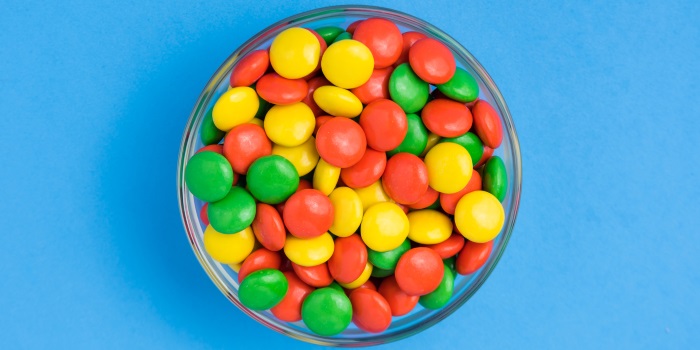
Chocolates & Lollies
"Look, life without chocolate and all the little bits and pieces that we enjoy would be a little sad," Rebecca says.
"However, when it comes to study, you want to choose foods that are going to help empower and help fuel your brain and your mind, to get that extra last [bit of] exam or study prep."
If you’re deadset on putting a little bowl of treats together before retreating to your study nook, Rebecca recommends foods packed with nutrients and vitamins.
"[Foods] quite rich in refined sugars [give you] a really quick hit, but then that’s it," she cautions.
"You need something else. It’s not sustaining."

Potato Chips
Rebecca empathises with anyone who grabs a packet of chips for their afternoon tea, and says there’s "definitely room for things like salty chips within the diet."
"But then again, it’s all coming down to portion size," she adds.
"We just need to be careful that when we are studying, we’re not mindlessly eating. We really still need to think about: Are we hungry? Do we really need this now? Rather than maybe [finding] an excuse to get up from studying to go to the kitchen, or an excuse for a break."

Nuts & Trail Mix
Okay, these must be healthy, right?
"Nuts are definitely a great source of protein or healthy fats," Rebecca confirms.
"The only thing with nut mixes is, again, because they taste so good, it’s really easy to potentially overeat as well," she adds.
"So, if you can stick to the basics—unsalted mixed nuts—and have a small handful; maybe just pre-portion it into a bowl, to reduce that mindless eating while you study."
So Much Bread
Do you slam a sandwich before dinner? Maybe one or two (or three) cheeky slices of toast?

"If you are quite athletic during the day—so you do lots of physical activity at school, you do training—there’s really no reason within your diet that you shouldn’t have three pieces of bread," Rebecca says.
"If you’re a bit more sedentary throughout the day, maybe take that into consideration."
She also recommends “low GI” options (which are foods with carbohydrates that break down slowly).
"Things like wholegrain, wholemeal bread, wholemeal crackers, foods high in fibre… they’re gonna give us that energy to keep going, but also it’s gonna keep us fuller for longer."
Fruit Salad & Fruit Juice
"Fruits provide a range of different nutrients; they’ve got different vitamin and mineral compositions," Rebecca says.
When making your salad, Rebecca suggests you “aim for different kinds of colours, if available; or if it’s just an orange, that’s completely fine."
Juicing is an option too, if you prefer your food in liquid form.
"Pulp pretty much contains all the fibre within the fruit; if you include that, you pretty much are eating the equivalent of the fruits served," she says.
However, she warns against fruit juices that require more fruit than you would normally eat in one sitting, as they can become quite energy dense (meaning you’re taking in more calories).
"One glass of orange juice, you might need two or three oranges," she says.
Cuppa Tea
"There’s really been no definitive research that says, ‘drinking this tea improves cognition’ or whatnot," she says.

"We do know though that if you are well hydrated, you’re more likely to be more in tune; you’re less likely to feel tired and lethargic."
Rebecca recommends drinking different types of tea "to spice things up a little bit," or even naturally flavouring your water with cucumbers, strawberries or mint leaves.
Just be careful not to add too much sugar to your tea or coffee (or water, if that’s what you’re into).
Anything Else?
Rebecca offers "homemade vegetable dip, like hummus or tzatziki with carrot sticks or celery sticks" and even "reduced fat yoghurts" as acceptable after-school snacks.
Seemingly easy options like muesli bars and protein bars might be richer in added sugar and added fat, so be wary.
"If you can have dinner early and that works for you, then that’s great," she says.
"Otherwise, there’s no reason why a little afternoon snack—as long as it’s healthy—should be a problem at all."
The University of Canberra have made an awesome study guide to help you with your upcoming exams. You can get your copy here.
Photo: iStock.com/NicholasBPhotography
Topics
Ref: 3b11ad3d-dc52-4fe2-9e5a-a7ed0088b799



Most Popular



Comments & Feedback
Share your opinion
Emoji cheatsheet Formatting Comment guidelines
Awesome