The Truth About Relationships: What to Do If They’re Toxic, or You Don’t Want One At All
Trigger warning: this article contains discussions about toxic relationships.
You definitely don't get how-to-guides on navigating relationships at school.
That's why programs like Dr YES, run by the Australian Medical Association (WA), are super important.
The program works through medical students, who deliver harm minimisation sessions to metro and rural schools about the big issues young people face and break down barriers that prevent them from accessing health care.
A couple of years ago, those outreach programs expanded to an educational (and super aesthetically pleasing) Insta page. That's the brainchild of student doctor and absolute legend, Amelia Murray (aka Meils).
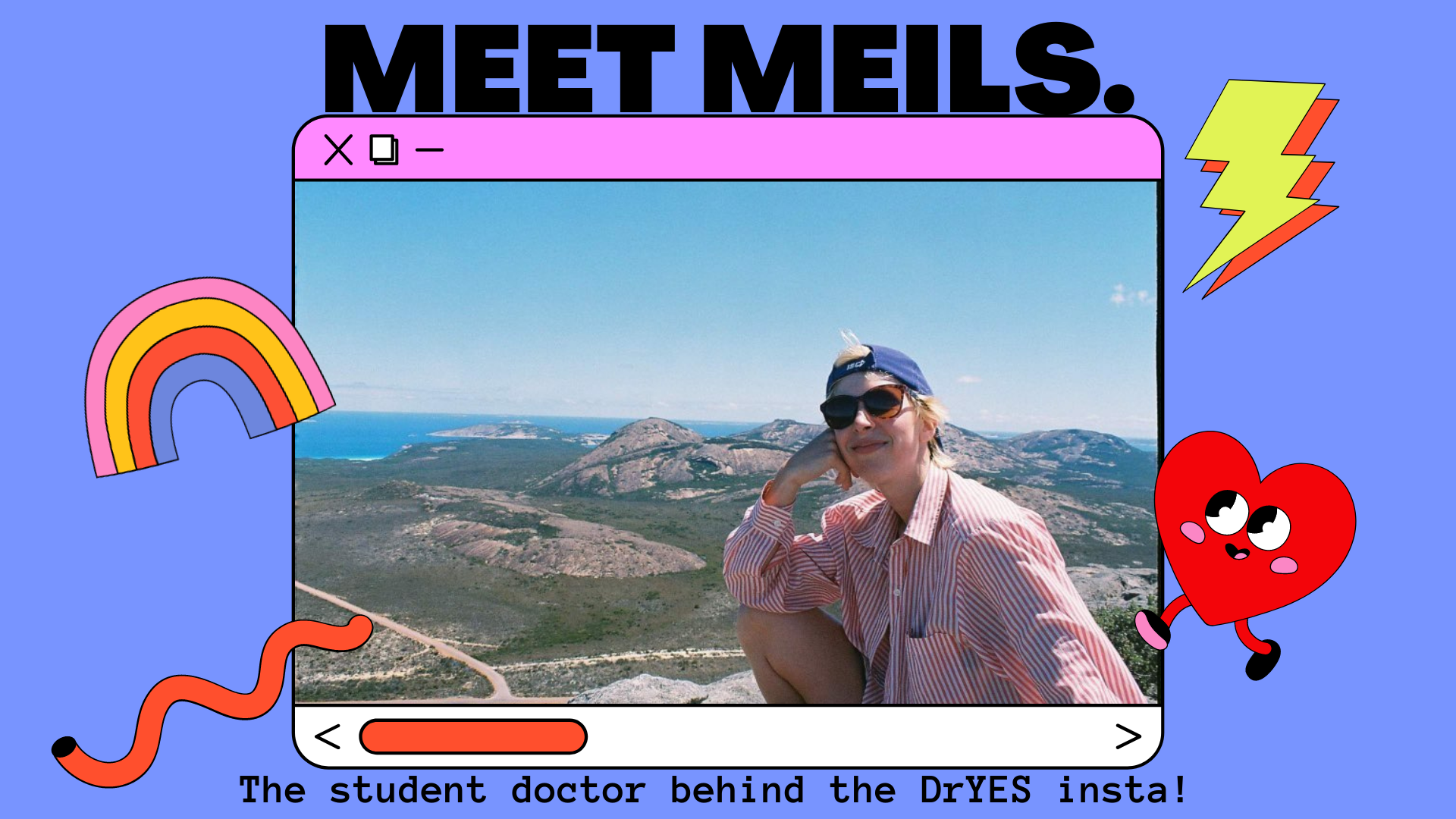
Meils started as a volunteer at Dr YES in 2016 during her first year of uni and fell in love with sexual health education there.
“I just really love opening conversations around sexual health and relationships,” she says.
Two years ago, she saw the opportunity to start up the page as a way to have ongoing reach and awareness, beyond the one-off sessions.

The topic Meils has received the most questions about while running the page is relationships and breakups, so we reckon she's a bit of an expert.
Her tenure running the page is closing up soon as she gets ready to finish her studies and commence full-time work, so we sat down with her as part of our February Series on Relationships, to ask all the important questions about navigating them as a young person, and when to call it quits.

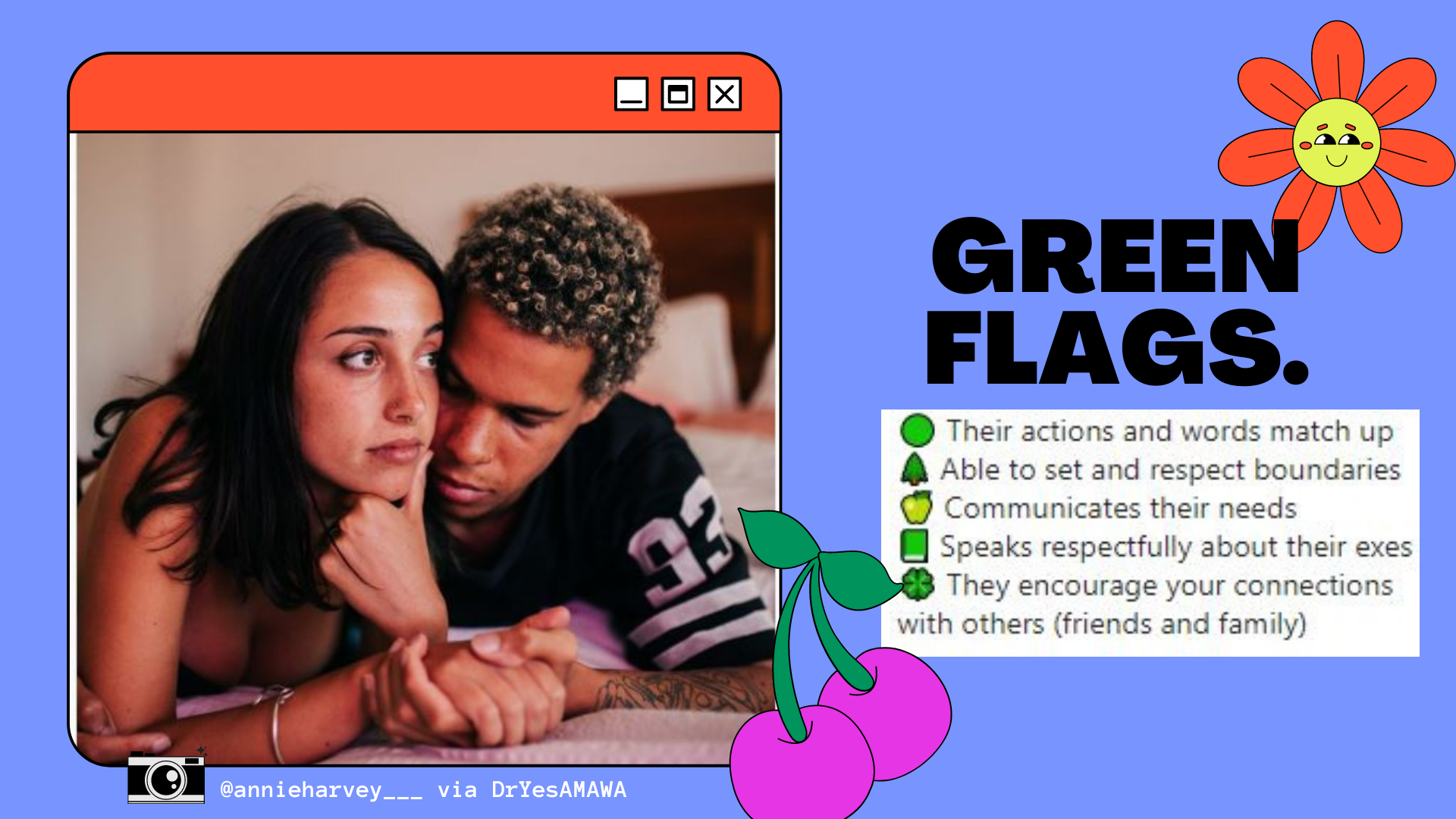
Meils says there are heaps of different ways relationships can be toxic. Here are some main ones:

"Every situation is gonna be slightly different, so this advice might not apply to every relationship," she says.
But if you have a feeling your relationship is toxic and you want to get out of it, here are some initial steps Meils recommends:
1. Put your safety first.
"If you ever think that talking about something or confronting a partner about something is gonna put you in an unsafe position, maybe it's best to not do that or to do that in a very planned out way," she says.
She recommends having these discussions in a public space with other people around or letting friends or family know what your plans are so they can kind of keep an eye out for you.
2. Getting support.
Meils says people are going to understand you better than you think.
"When you're going through a breakup or a difficult time in a relationship it can feel like you're the only person who's been through something like that, but actually most people have been through one at some point in their life," she says.
3. Trust your gut.
Meils says you should be strong on your gut feeling because sometimes in toxic relationships, you might feel like something is wrong and when you confront the other person, they can "gaslight you and turn it back around to make you feel like you're the crazy one," she says.

We've all heard about 'the ick' - where attraction to a current or potential partner is suddenly flipped to a feeling of disgust. It's normal to not vibe the relationship anymore, and just because issues seem small, they are still issues that deserve to be addressed.
"I think if you aren't feeling it, the spark is gone, and you are not sure about a relationship, it's a valid reason to break up with somebody," Meils says.
How to process and navigate feelings like these? Meils is a huge fan of journaling.
"Writing things down helps you to formulate your ideas properly rather than them just spinning around in your head and it can be a useful tool if you're trying to plan what you wanna say when you break up with somebody, because it can be really difficult to remember the purpose when your emotions take over," she says.
Talking to other people, like friends, family or a counsellor is also a huge help.
“Talking to other people who don't have that bias of being in love with them can be really helpful to get a bit of an objective perspective on it," she says.


Perhaps you don't see yourself represented in what is a "typical, traditional" relationship. Maybe, thoughts of a romantic or sexual relationship just don't fill your cup the way it seems to for other people.
Sexuality is a huge spectrum. The Trevor Project explains that asexual individuals, who may also be called an “ace” or “aces,” have little to no interest in engaging in sexual relationships. An ace may also be aromantic, in which case they don't feel attracted to romantic relationships either.
You're not alone and you're not unusual (heck, Spongebob is even asexual!)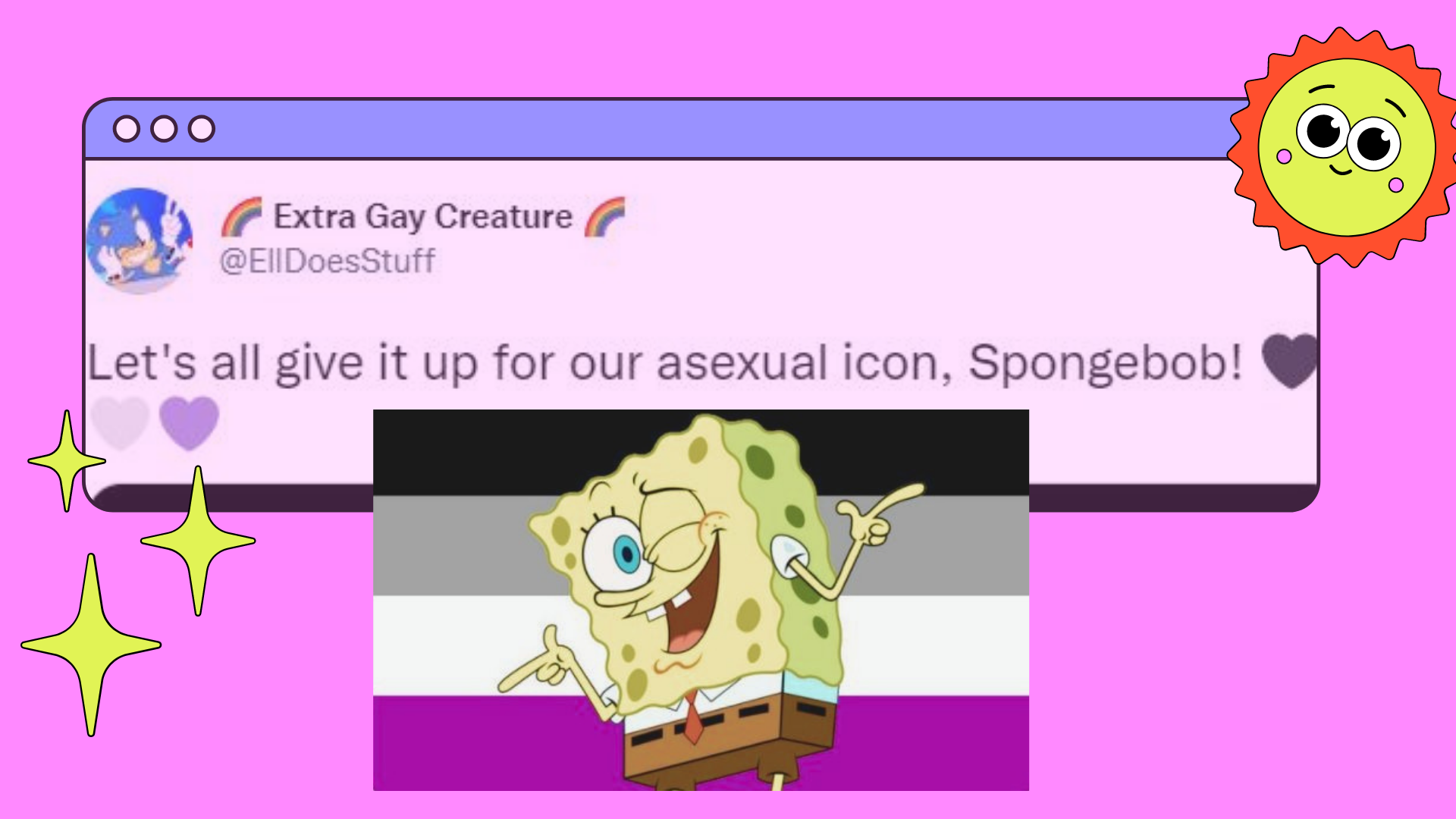
If you feel like this is you, Meils recommends "trying to consume media by other like asexual and aromantic people" if you are trying to figure yourself out.
Some Instagram pages to get you started are @thisiswhatasexuallookslike and Yasmin Benoit. Plus, QLife is an amazing resource for LGBTQI+ peer support.

1. Maintain your independence.
"Relationships are really beautiful and awesome when they're going well, but if you can kind of maintain your own sense of identity I think it makes it easier to try and put boundaries in place and maybe decide when to call it quits or if something isn't going so well," Meils says.

2. Don't ditch your friends.
We've harped on about the importance of your mates a fair bit in our February Series on relationships. And Meils agrees.
"It may feel like the person you're in a relationship with is gonna be there forever and they are all you need. That could be quite isolating and can make things more difficult down the track if you don't maintain your other friendships and relationships," she says.
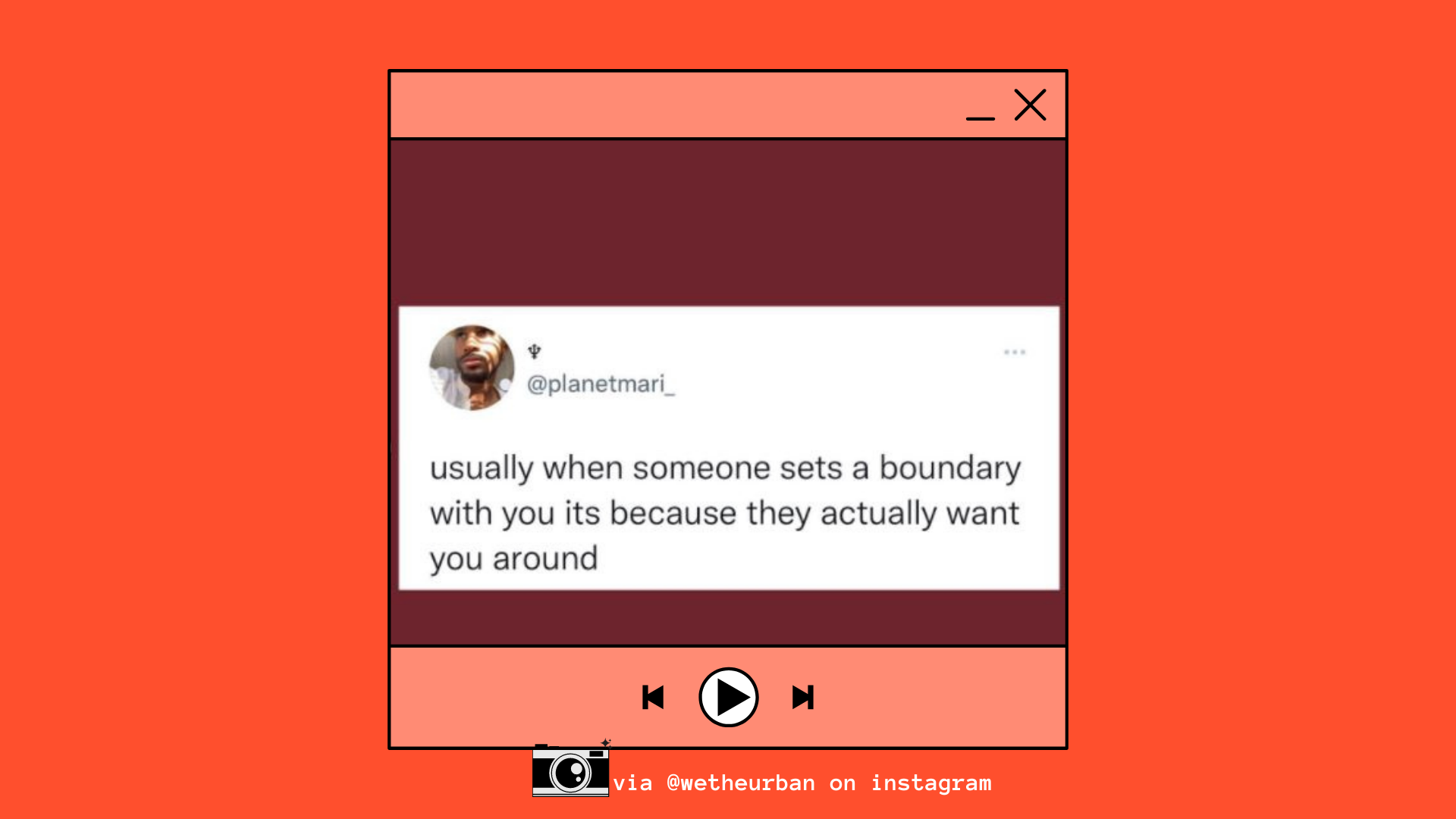
3. Boundaries!
Meils recommends fleshing these out nice and early in a relationship to set a precedent. But, she says putting in a boundary later down the track isn't a rejection and it’s actually you trying to strengthen the relationship.
"Relationships should change as you change as people and as the relationship grows. So it's okay to change the terms of your relationship to best suit you and your partner," she says.
And with everything, communication is, and always will be, key. Meils recommends preparing for these conversations and putting time aside for them to happen in a comfy environment, and approaching them in ways that aren't accusatory.
"So it's like you together versus the problem, rather than you versus each other," she says.

You're never truly alone. If things escalate and you're not feeling great about your life and your relationships, Headspace is an incredible youth support resource to check out.
Let's finish on some wise words from our new fave person, Meils:
“Relationships can be really complicated and difficult to navigate, and it's okay if it takes a while to figure things out. Get support if you're ever struggling and don't feel afraid to reach out because everyone will have been through something similar.”
If you or someone you know is struggling with a toxic/abusive relationship, call Lifeline on 131 114 or Kids Helpline on 1800 551 800.
Header Image: @dryes.amawa, supplied, and Canva.