What Is "Safe Schools" Actually All About?
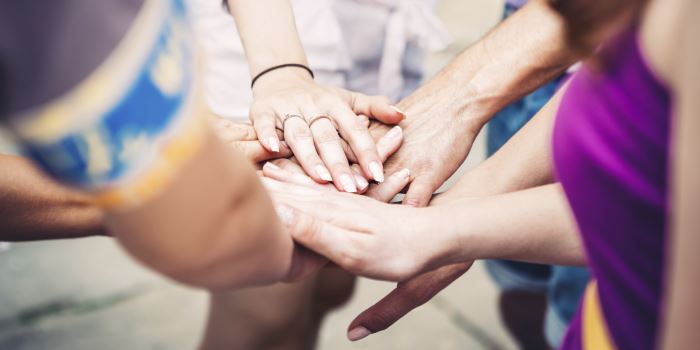
‘Safe Schools’ has been one of the most talked about topics in Australia this past month. But what is it exactly?
Trigger warning. This article discusses mental health, depression and suicide. The Safe Schools Coalition aims to create a safe and inclusive environment for the LGBTQI youth of Australia. However, it seems like the coalition itself is still seeking acceptance of its own by the wider community. Recently, the STOP SAFE Schools Coalition attempted to sabotage a same-sex formal by buying all of the tickets to the event. The formal was meant to create a safe atmosphere for LGBTQI youth, and it will, thanks to the efforts of those who donated money to the event, out-purchasing STOP SAFE and saving the day. Now, a debate of whether Safe Schools should even exist in schools has reared its head. This isn’t just amongst parents and teachers, either; it’s within the government too. Questions vary from whether it should be mandatory in all schools to ‘is it a waste of money?’ What’s getting lost in the discussion is what Safe Schools actually does. Well, here’s an explanation. Let’s face it, not everyone is ‘out’ at school, perhaps due to fear of bullying. School can be tough as it is; LGBTQI students need to be able to feel safe in school as much as possible so they can learn and live without having to look over their shoulder. Safe Schools is trying to foster that exact environment. They describe themselves as “a national coalition of organisations and schools working together to create safe and inclusive school environments for same sex attracted, intersex and gender diverse students, staff and families.” It is funded by the Australian Government. (In Victoria, it is funded additionally by the Victorian Government.) Safe Schools acknowledges that students may experience homophobic and transphobic discrimination in school and that it can seriously affect a young person’s performance and as well as lead to a negative impact on their mental health. Therefore, Safe provides resources for schools in order to educate their students, staff and families so LGBTQI students can perform better and be accepted for who they are. It’s not just about trying to protect LGBTQI students; it’s about educating everyone on acceptance and the ways in which we can all offer help, as well as giving resources, counselling and training to people associated with the schools. Safe Schools has 526 participating institutions (in fact, 32 additional schools have joined - and only one jumped ship - since the controversy began last month). Still, some schools aren’t completely safe for students to be themselves. Even though society has made great progress in terms of acceptance, there is a minority who still make even a place of learning unsafe for LGBTQI students. STOP SAFE, for instance, is seeking to stop this beneficial organisation, despite evidence telling them that the repression of feelings among LGBTQI youth has disastrous results. From a study conducted by Beyond Blue, LGBTQI people’s mental health is amongst the poorest in Australia; this group similarly has the highest suicide rate. Twenty per cent of trans people and 15.7 per cent of lesbian, gay and bisexual people reported current suicidal thoughts. And up to 50 per cent of the trans population have actually attempted suicide – at least once. They’re not being protected; they’re being suffocated. These may not seem like large numbers, but they aren’t merely statistics. These are individual lives. Some of these young people will never even get a taste of the acceptance that the wider LGBTQI community can provide for them. This is because the average age for these suicide attempts is 16; often before young people have ‘come out’. According to that study, many LGBTQI people who have committed suicide had only disclosed their sexual orientation/ identity to a few close people, if any. When are we going to acknowledge that these are real lives being lost? To save their lives, all that might be required is to treat them like equals. That’s Safe Schools’ real agenda; for LGBTQI youth to live in a safe environment.If you or anyone you know needs help, support is available right now. Call Lifeline on 131 114 or Kids Helpline on 1800 551 800.
For more information on counselling and treatment plans you can contact your school’s health services as well as the following organisations:
Bianca Welsh-Jayne is one of Student Edge’s student contributors. Learn more about the contributors program. Photo: iStock.Topics
Ref: fd8186af-0c77-4cd0-89f2-a5c900b785f9


Most Popular



Comments & Feedback
Share your opinion
Emoji cheatsheet Formatting Comment guidelines
Such a good summary of the social and political controversy of Safe Schools recently. Even though people have tried to take us down, LGBTQI community do what we do best to suppress the oppression; we through a party! Thanks to Minus18 <3
mmm yea pretty funny