Uni Fees, Paid Internships & School Funding: What Aussie Yoof Need To Know About The 2016 Budget
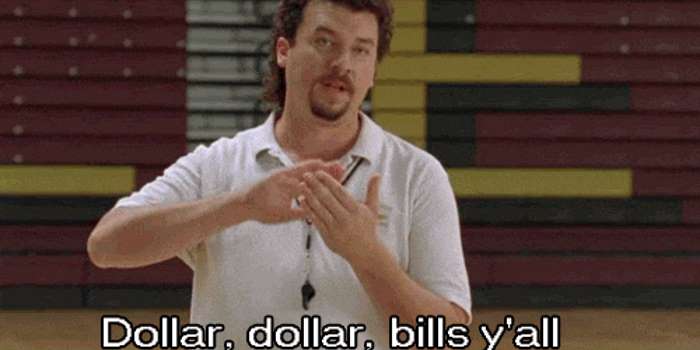
The Federal Government has shared their 2016 Budget ahead of the impending election, and though no-one will ever accuse it of being a “Level 5 Thriller-cane”, there’s plenty in it that affects young Aussies.
Here are the big headlines from the 2016 Budget: As expected, Treasurer Scott Morrison unveiled multinational tax avoidance measures (which will see GST added to online purchases from international companies) and introduced a tobacco tax hike (with cigarette packs expected to cost around $40 by 2020). The fate of the five cent piece, however, has been deferred. It lives to see another day, that wily coin. Negative gearing, too, remains untouched by the Turnbull Government, giving us all more time to wrap our heads around what it actually is. (Kidding: it’s the process by which property investors can write off the interest of their mortgage against other sources of income, leading – some say – to increased property price. Or something like that.) Those who earn more than $80,000 a year score a tax break in the Budget, as will whisky distillers, because why not? The ABC and SBS will get their current level of “base funding”, but the “efficiency” cuts from Tony Abbott’s 2014 budget remain in place, meaning $18.6 million has been excised from ABC’s digital services and reporting (including the ‘Fact Check’ unit). Overall, the projected deficit for the next financial year is $37.1 billion – a $3.4 billion increase from the mid-year update. The Coalition says they won’t be able to balance the budget before 2020-21. But what about the yoof? Of biggest concern, to young people, is a new, creatively typographed initiative called ‘Youth Jobs PaTH’; an $840.3 million program to get people under the age of 25 and on employment benefits trained up for the workforce. This will involve placing 30,000 young people in paid internships across the nation, each year – so long as they’ve been seeking a job for at least six months. Business who take on the interns will score a $1,000 bonus and be eligible for a Youth Bonus wage subsidy. The interns themselves will receive an extra $200 per fortnight on top of welfare payments. However, the Australian Council of Trade Unions is sceptical of the announcement, calling it a “$4-per-hour jobs for young people” scheme. The 2016 Budget also saw the Federal Government abandon its plan for university fee deregulation, which critics suggested could have seen degree prices spike to $100,000 or more. Still, unis will see a 20 per cent funding cut, as first introduced in 2014. Though it’s not yet been decided what changes will come to the sector, they will begin rolling out on January 1, 2018. Options include reducing the income level for FEE-HELP repayments to $40,000, increasing repayments for higher-income earners and introducing partial fee deregulation for certain courses. Also on schools, the controversial ‘chaplain’ funding has been dumped by the Coalition, giving an extra $1.2 billion in bonus moolah to schools, over four years. Of that, $118m will go to students with a disability. School funding overall will grow by 3.56 per cent, with public schools getting a 10 per cent boost, compared to a five per cent spending increase on private schools. (Public schools are slated to receive $28 million between now and 2020. In that same time, private schools will score $45 million.) For more on the Winners and Losers of the 2016 Budget, head to the ABC. Photo: HBO.Topics
Ref: c28271b8-a3ca-42ae-9dde-a5fc00298e19


Comments & Feedback
Share your opinion
Emoji cheatsheet Formatting Comment guidelines