What a Young Indigenous Woman Wants You to Know About Her Culture
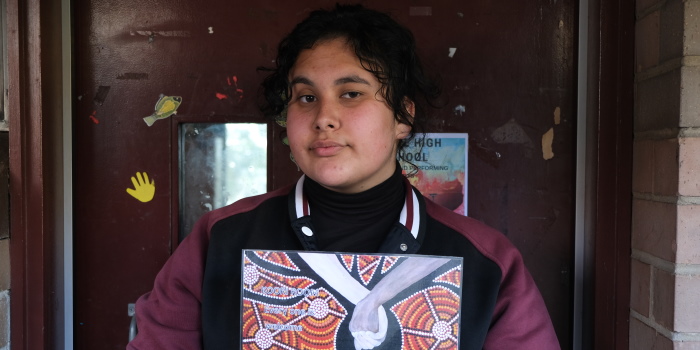
"People need to realise that our culture now is built off fighting for our rights."
As a young person, it is only normal to want to know everything about where you came from. Exploring your cultural background and asking questions about your family seems completely natural. However, for 17-year-old Taela, those questions haven’t always felt easy to ask.
That was, until she joined the National Aboriginal Sporting Chance Academy (NASCA).
"If I didn’t have NASCA teach me the actual ways of Australia’s dark history, I would have no idea," she tells Student Edge.
"I wouldn’t have asked my grandparents anything. I would have just thought, 'I’m black', and that would have been it."
Taela Douglas is a young Aboriginal woman from Tempe High School in New South Wales, who was awarded NASCA’s Youth of the Year Award in 2019. Although, as Taela tells us, she is still utterly shocked by the win.
"I genuinely didn’t think that I was going to get nominated at all," she says.
"When they told me I was nominated, I didn’t think I would get it, but thought I’d just show up."
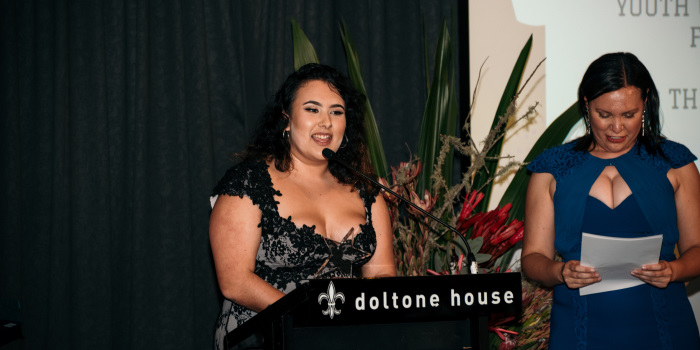
Pictured: Taela Douglas (supplied).
The student-based nominations saw Taela recognised for re-opening the Koori room at her school. Having had no one to run it for a while, Taela asked her school principal whether she could open its doors again. Now, she uses the Koori room to support other young Indigenous students.
Taela knows firsthand how isolating a lack of support can be, but joining NASCA has helped her grow culturally.
"When I first started school, I was an angry kid," she explains.
"But then I got into NASCA in Year 8, and now I’m able to tell my story, and my history".
Part of growing culturally for Taela included a trip with the organisation to the Northern Territory, to attend the Garma Festival of Traditional Cultures, which incorporates visual art, ancient storytelling, dance and music.
"It was amazing to meet the elders and learn about their ways of life," she says.
"My culture’s language has pretty much died out, but seeing other Indigenous people speak fluently in their own tribe’s language was cool.
"It was eye opening, because being from the city, you don’t get to see that. It was the best experience of my life."
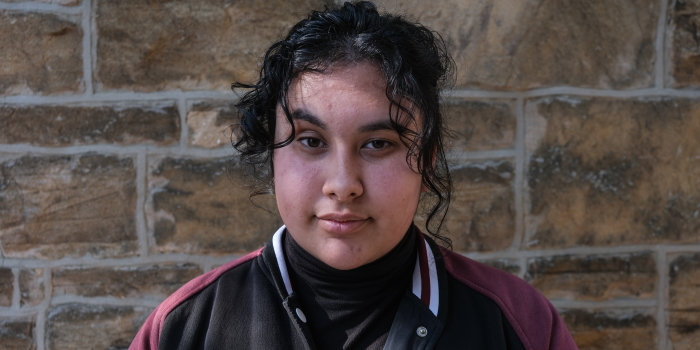
Pictured: Taela Douglas (supplied).
Being part of NASCA has opened the Year 12 student’s eyes to a range of issues, including how Indigenous people are generally viewed by Australian society.
After finishing her final year of high school, Taela hopes to study criminology and enter the police force. She also hopes that educators can become more aware of how to help Indigenous children with issues they might be facing.
"People need to realise that our culture now is built off fighting for our rights, and to realise that there is so much more behind the constant protest," Taela says.
"There are actual people who are willing to share the good side of our culture, and all the aspects that come with that. Indigenous people are so empathetic, and we want to share everything with people."
You can learn more about NASCA and their programs and mentorship of Aboriginal and Torres Strait Islander young people here.
Header Image: Supplied
Topics
Ref: f718cc77-fbc3-4407-905d-aab0007c110b





Comments & Feedback
Share your opinion
Emoji cheatsheet Formatting Comment guidelines