Turns Out Emojis Can Help Students Accept Online Feedback and Stay Motivated
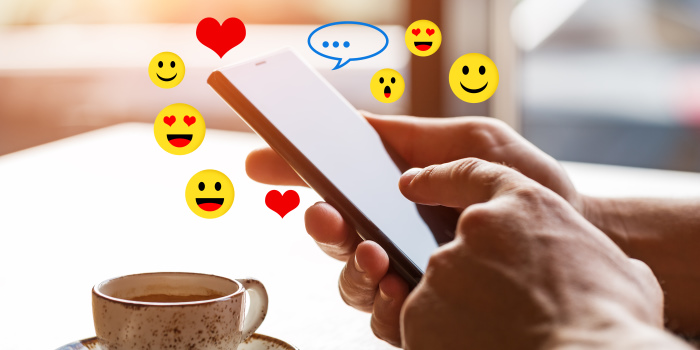
Have emojis helped you out while remote learning?
The coronavirus pandemic has significantly disrupted life as we know it, with many students being forced to study from home over the past few months.
While most schools around Australia have now returned to face-to-face learning, there's no doubt that remote learning posed a bunch of challenges.
Students had to get used to attending virtual classes, not being around their peers, and interacting with their teachers online. Additionally, educators had to adapt the way they teach and give feedback.

Except, we all know it can be difficult to interpret the tone of messages online, especially when receiving feedback for a test or assignment. Without being able to read visual cues like facial expressions, remote learning feels pretty impersonal at times.
So, how do we make it more personal?
Well, according to research by RMIT psychology lecturer Dr Robyn Moffitt, there's a way for teachers to add some personality and warmth back into online feedback.
In fact, all they've got to do is use some emojis.
Moffitt's research shows including the classic smiley face emoji in a message can evoke feelings of warmth and competence, which can motivate students to do better.
Adding emojis can also soften the blow of a more critical comment about an assessment.
"It's a quick and effective way to communicate warmth and emotion, even if you're providing constructive feedback or highlighting areas of improvement," Moffitt said.
A recent study led by Moffitt showed that students who received happy face emojis in their feedback had far higher perceptions of their teacher's warmth, as well as much greater faith in the teacher's competence.
Plus, it didn't make the teacher seem any less professional and the overall feedback quality wasn't affected.
"Emoji can demonstrate that even a not-so-positive message is still delivered with warmth and kindness; it helps to communicate that constructive feedback is given because I care and want you to learn and improve, not because I am displeased with your work," Moffitt said.
Of course, teachers also need to make sure they choose the right emoji to use.
Moffitt found that adding the classic smiley face emoji is a safe bet, but teachers shouldn't overuse them.
"Once students know teachers are open to communications with emoji, it can create new and fun ways of engaging," she said.
Well, there you have it! Just don't use this as an excuse to bombard your teachers with countless emojis.

Header Image: Preto_perola / iStock / Getty Images Plus via Getty Images
Topics
Ref: fc8b120d-21dd-462e-b512-abff0036e224






Comments & Feedback
Share your opinion
Emoji cheatsheet Formatting Comment guidelines