Is the Australian Government Banning Social Media for People Under Sixteen?
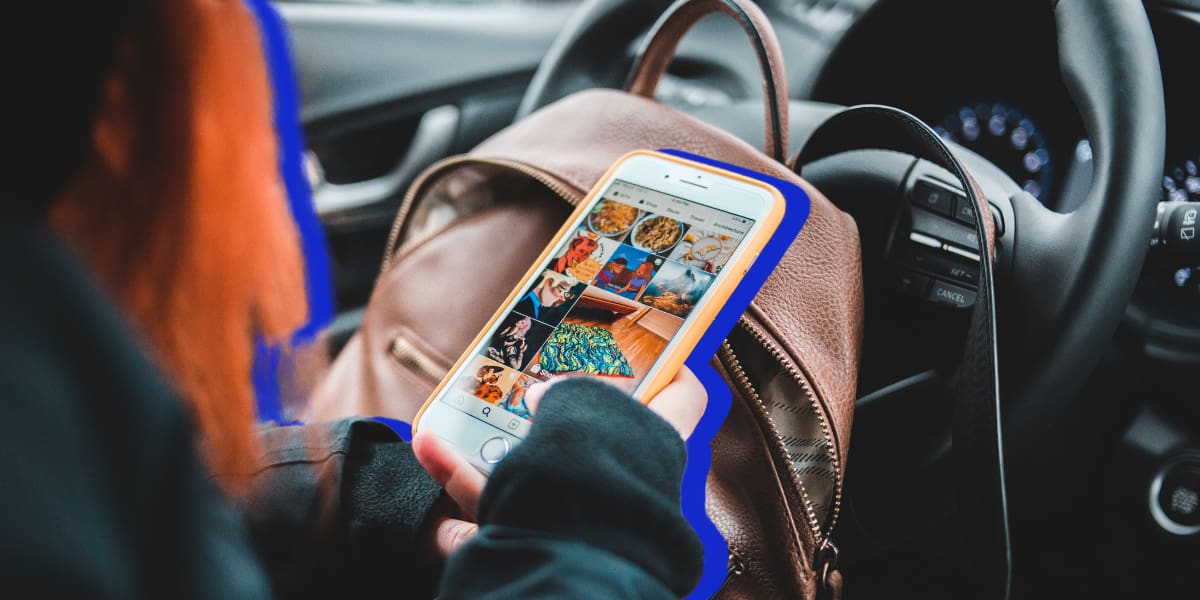
How would a social media ban actually work?
There have been whispers about it for the last few months.
But now the federal government has announced they will introduce legislation to enforce a minimum age for students and young people to access social media. This includes apps such as Meta’s Facebook, Instagram and TikTok.
While they haven’t announced the age yet, Prime Minister Anthony Albanese said they were looking at an age between 14 to 16 years old.
The news announced on Monday is only legislation to be introduced in parliament and still has to be passed in parliament. But here’s what we know so far.
Have other governments implemented a social media ban?
Previously the South Australian gov had already proposed a social media ban for people under the age of 14.
And similar laws have been introduced in Florida, Texas and Spain.
In Florida, children under 14 require parental consent to access social media, in Texas people under 18 need parental consent to create a social media account and in Spain the minimum age for setting up a social media account increased to 16-years-old this year.
What has the Prime Minister said?
In his announcement about the ban, Prime Minister Albanese said social media was “taking kids away from real friends and real experiences”.
“Australian young people deserve better and I stand with them and with all Australian parents in protecting our kids,” Mr Albanese said.
“The safety and mental and physical health of our young people is paramount.
“We’re supporting parents and keeping kids safe by taking this action, because enough is enough.”
What do other students think about it?

In our July member’s survey we asked 1000 students what they thought about the idea of a social media ban and your thoughts were mixed.
What are other experts saying?

The Australian Association of Psychologists director Carly Dober says a ban distracts from the real issues at hand.
"It's a bandaid response to a very complicated and deeply entrenched issue," she told the Australian Associated Press.
"The fundamental issues around how the internet can be unsafe for people has not changed.”
Associate Professor Susanne Schweizer from UNSW School of Psychology said the ban could work well or “backfire terribly”.
“If a ban is rigorously implemented it could offer young people who are sensitive to the effects of social media a reprieve from its pressures,” she said.
“Unfortunately, it will also remove opportunities for connection for highly vulnerable groups, such as young people from certain minority groups and those with certain types of neurodivergence, who greatly benefit form connecting with peers online.”
What happens next?

The government has not yet announced what methods will be used or whether a ban will be enforceable or not.
The proposed ban will only be introduced as legislation in parliament at the end of 2024 so we will have to wait until then to see what happens next.
Topics
Ref: ec87a2b1-6bfa-457f-8354-b1e80052a58c




Comments & Feedback
Share your opinion
Emoji cheatsheet Formatting Comment guidelines