Sick Of All The Hollywood Sequels? Maybe They're Our Fault
It’s summer in the US of A and all you film buffs know that can only mean one thing: blockbuster season.
It’s the time of year that Hollywood executives are able to sleep easy dreaming of the moving-watching sheep funding their endless possible sequels. But will that be the case this time around or have these dreams become our nightmares?
The past year has been a mixed bag of blockbuster sequels that have failed to hit the mark at the box office. From Alice Through the Looking Glass to The Huntsman: Winters War and even Bad Neighbours 2: Sorority Rising, audiences seem to be developing an immunity to the endless stream of sequels.
Still, the extended universes, remakes, spin-offs and mind-numbingly familiar sequels just keep on coming.
If you’re planning on heading down to your local cinema on a Cheap Tuesday sometime soon, you’re likely to be bombarded with films that seem awfully familiar: Finding Dory, Ghostbusters, The Legend of Tarzan, Ice Age: Collision Course, Star Trek Beyond, Jason Bourne and the list goes on.
And that’s because every single one of those movies are ones we have seen, in some way, shape or form, before.
Mainstream cinema has been absolutely saturated with sequels and remakes over the past few years and, if we look at the release schedule of many major production houses, it does not look like that is about to change anytime soon. Marvel has ten more flicks in development for release in the next five years and three of the four upcoming Pixar features are sequels. The trend is clear and doesn’t look like it’s going anywhere.
So why is this the case? And how do we change it? The answer lies at the core of the Hollywood system itself…
The Hollywood film industry, responsible for so many of these blockbuster franchises, is a money-making machine like any other. It wants to generate as much profit as possible and the easiest way to do this, whilst minimising risks and capitalising on success, is to give audiences what the studios think they want. That means more sequels, more superhero movies and more teen dystopian romances; basically, more of the same.
Basing the development of films on perceived wants and projected box office figures can ultimately lead to stale, repetitive and formulaic filmmaking in what is meant to be a creative industry.
Movies become less about taking risks and having new ideas and more about meeting financial goals. The irony of it all is that the hit flicks that spawned sequels can attribute their success to their creativity and originality.
That’s not to say sequels and remakes can’t be creative or original, too; you need look no further than the absolute gem that is Shrek 2 or the superbly-acted The Dark Knight.
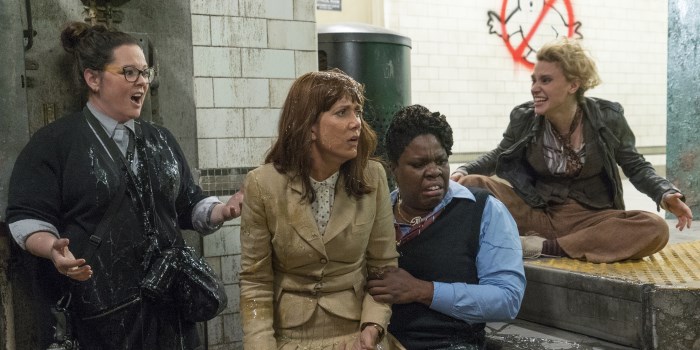
More recently, Paul Feig’s all female reboot of Ghostbusters has been received well with critics and just celebrated a solid opening weekend, bringing in $US46 million at the box office.
Ghostbusters can undoubtedly attribute its success to the standout performances by its leading ladies; the same reason that the movie was on the receiving end of a repulsive wave of misogyny prior to its release, resulting in it becoming the most down-voted movie trailer on YouTube. The remake took a risk, and whilst many believed it would be its downfall, the refreshing change has made it a (mild) success with audiences.
So, how do we keep the box office full to the brim of imaginative movies and make the formulaic films flop? Well, it’s a two-way street. The industry relies on its audiences to dictate what will be successful. So, it’s not just down to them to be creative and original; it’s up to us to acknowledge and encourage that when it happens. It’s our turn to take the risks. We need to be educated and pro-active movie-watchers. We need to support the films we want to see more of.
So this winter, for every Generic Hollywood Blockbuster VI: Part 2 you see, go and see that quirky original one, or that remake with a twist or even that indie Australian film!
Be the change you want to see on the silver screen.
Xavier Hazard is one of Student Edge’s student contributors. Learn more about the contributors program.
Photo: Sony.
Topics
Ref: 1c568273-7562-465e-b210-a647008ba6cf





Comments & Feedback
Share your opinion
Emoji cheatsheet Formatting Comment guidelines