Should Maths And Science Be Compulsory In Years 11 And 12?
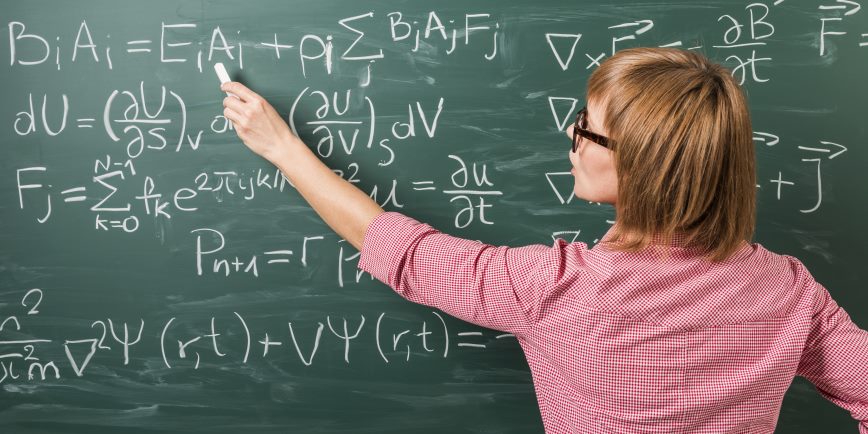
The Education minister recently announced his hope to make maths or science compulsory subjects for senior students. Is this the right approach? One of our members shares her thoughts.
Some say the world revolves around mathematics. Others say the fundamentals of science should be set down pat before all else.
Either way, it is evident that both maths and science are important subjects essential to all aspects of life.
From attempting to push a circle through a square hole to displaying disgust and delight at the sour tang of a lemon, we are unconsciously exposed to the concepts of maths and science from a young age.
Throughout preschool and primary years, young ones are taught to count whilst learning how to speak as well as being trained to distinguish between a dog and a cat all at the same time.
Even in the tedious junior years of high school, emphasis is constantly being placed on the ‘big three subjects’ English, maths and science being taught simultaneously, with the latter two, at times, having more importance than the former.
So why is it that the importance of maths and science suddenly diminishes (to an extent, even disappears) in the most crucial years of secondary education?
It is understandable that in a society where the English language is dominant that the subject should be compulsory, but through which perspective does maths and science seemingly lose all credibility? Where, in the messy, chaotic halls of high school, does the stress of managing finance and understanding the basics of life disappear to?
Due to the current implementation of maths and science as elective subjects for senior students, a steady decline in take-up is becoming a trend, with many adults and academics voicing concerns about the threatening shadow of maths and science illiteracy in society looming over the horizon.
As the amount of students choosing these subjects decrease, so do opportunities in fields currently highly sought after in modern Australian society; engineers, medical officers, health practitioners, researchers and, most importantly, teachers, as after all, to improve education quality one must first educate the educators.
A large proportion of degrees being offered to high school leavers require the basic knowledge of maths and science which is nurtured throughout high school, particularly in the senior years of 11 and 12.
Even for degrees which do not require such pre-knowledge, it is only common sense that upon graduating from university, the student must find their own way in life depending on no one but themselves in order to gain independence. If this is the case, how will aspects of life such as budgeting and understanding the harmful effects of chemicals work out for the individuals who have shunned maths and science, believing them to be a ‘waste of time’?
Needless to say, maths and science should definitely be made compulsory as they are vital to understanding how the world works as well as boosting the potential to succeed in life. Although there are arguments that students who do not enjoy these subjects will not benefit from forced education, I believe subconsciously they will gain skills which will help them and do less harm than having them realise and regret the disadvantage of lacking additional knowledge later on.
Congratulations to Natasha for winning this writing challenge, answering: Should Maths And Science Be Compulsory In Years 11 & 12? Natasha wins a $50 Westfield gift card. For your chance to win, check out our latest writing challenges in our Comps section. Also, be sure to follow this guide on how to win the writing challenge!
Topics
Ref: 13e711b9-f50b-49c0-887e-a4b1001c2ff4





Comments & Feedback
Share your opinion
Emoji cheatsheet Formatting Comment guidelines