How to Recover from Academic Burnout
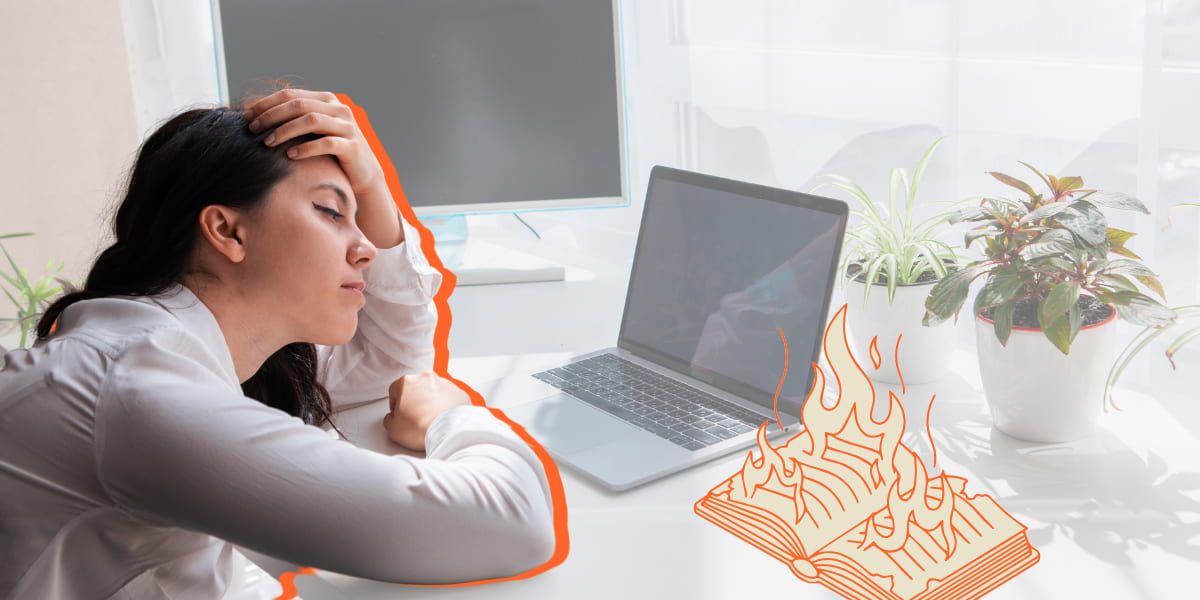
Remember - your mental and physical health are always most important
Content Warning: This article discusses mental health issues.
If you’re feeling tired all the time, finding it hard to sleep at night, you’re irritable pretty often, you’re getting constant headaches or muscle pain and it feels like you’re “drowning” in stress – you might be suffering from burnout.
Academic burnout is a state of chronic physical, emotional and mental exhaustion resulting from continuous academic stress and excessive workload.
It can lead to severe reduced motivation, detachment and poor performance.
Academic burnout is most common among university students, especially students studying courses like medicine, engineering or law.
And while it might not seem like that big of a deal, as many people tend to write it off as just being stress, recovering from burnout is critical to reverse severe emotional, physical, and mental exhaustion.
Don’t forget to get some sleep and fix your energy levels.

You can’t think properly if your brain and body are fried. Sleep is essential for physical repair, cognitive function and emotional regulation.
Prioritise consistent sleep over late-night cramming. Need help falling asleep? We gotchu.
Eat regularly, especially protein and carbs for sustained energy and make sure you move your body daily – things like a short walk, going for a quick swim or gym session or playing a sport with some friends.
Change how you study, not how much.

Burnout often comes from inefficient or draining study habits.
Try swapping long sessions for short, structured blocks (e.g. 25 to 45 minutes or try using the Pomodoro method).
Change your environment completely if possible. If you’ve been studying in your room, try changing it up and going to a library, café or a different room in your house.
Make your study habits efficient, not constant.
Make sure to give yourself at least one day off.

If you’re studying constantly or working continuously on a large project like a thesis, you should give yourself at least one day off a week where you’re not thinking about your academic work at all.
Give your brain the rest it needs and allow yourself at least one day a week to focus on other things in your life like your hobbies, your friends and your partner if you have one.
If you’re burnt out, your brain is already overloaded and trying to maintain peak productivity will make it worse.
Cut your workload where possible (get extensions, schedule lighter study days) and focus on the minimum effective output.
Create real downtime (not fake rest).

We’re sorry to say but scrolling socials does not count as recovery or a proper break.
To create some real downtime for yourself and really give yourself a break, you should try going offline for a little bit and do something less mentally overstimulating.
You could go to the gym, hang out with your friends, check out a new movie you’ve been wanting to see, go to a café you’ve been meaning to try, try out a hobby or spend a bit of time with your current hobbies.
The whole point is letting yourself rest without guilt.
Burnout sucks and while it might feel like that looming deadline is the end of the world, it certainly isn’t.
If you feel constant exhaustion or numb or detached from your studies, take the time to talk to your lecturers, tutors or teachers about getting an extension or extra support.
Also use the uni or academic support services that are available to you and take the time to talk to a friend or family member about how you’re feeling.
Getting support early can make a huge difference and prevent you from burning out again in the future.
If you or anyone you know needs help, support is available now. Call Lifeline on 131 114 or Kids Helpline on 1800 551 800. Visit ReachOut to get support to help you with everything from everyday issues through to tough times.






Comments & Feedback
Share your opinion
Emoji cheatsheet Formatting Comment guidelines