Only One Job Advertised For Every Six Low-Skilled Jobseekers (Uh Oh, Those Aren't Great Odds)
A new report reveals there simply aren't enough jobs out there for Australians with limited skills and experience who are looking for work.
The Guardian reports only one job is advertised for every six low-skilled jobseekers in Australia, and the problem is only getting worse.
Approximately 138,044 people were competing for 21,812 entry-level jobs in May 2016, according to an Anglicare report titled Positions Vacant? When the Jobs Aren't There.
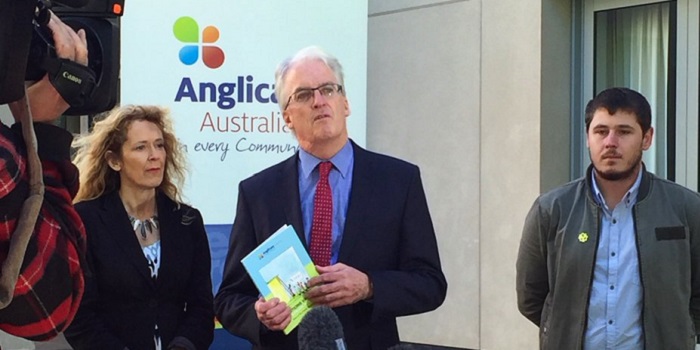
More than 37 per cent of jobs now require a bachelor degree or higher qualification. Anglicare Australia executive director Kasy Chambers said it's now pretty much impossible to land a job without a degree, year 12 education or workplace experience.
"There is almost a bracket creep where jobs are increasing on the complexity scale which makes it very difficult for people to enter the job market for the first time," Chambers said.
According to Chambers, the main issue here is that there's a significant proportion of people who genuinely want to work but are unable to find suitable employment.
Given the ratio of jobs to jobseekers, competition is incredibly fierce, making it almost impossible to get a foot in the door without assistance.
Anglicare's report criticises the "continuing public campaign in politics and the media" that suggests people without work are entirely to blame for their unfortunate circumstances. The popular rhetoric, as reported by the Guardian, is that unemployed people just need to "try harder" to get a job.
Social Services minister Christian Porter previously said the welfare system is flawed because "thousands of parents claiming government benefits are financially better off not getting a job," as reported by the Australian.
The report says that disadvantaged jobseekers on welfare are likely to "face a strong presumption that there would be work available to them if they tried harder." If you're on welfare and are unable to find work, you can be hit with financial penalties and activity tests.
In other words, an approach of 'shaping behaviour and punishing people when they don't respond as required' has been applied - rather than looking at effective ways to improve participation and job creation.
Photo: Twitter (@Anglicare_aust)






Comments & Feedback
Share your opinion
Emoji cheatsheet Formatting Comment guidelines