NSW Passed a Bill That’ll See Climate Protesters Face Harsh Fines or Jail Time
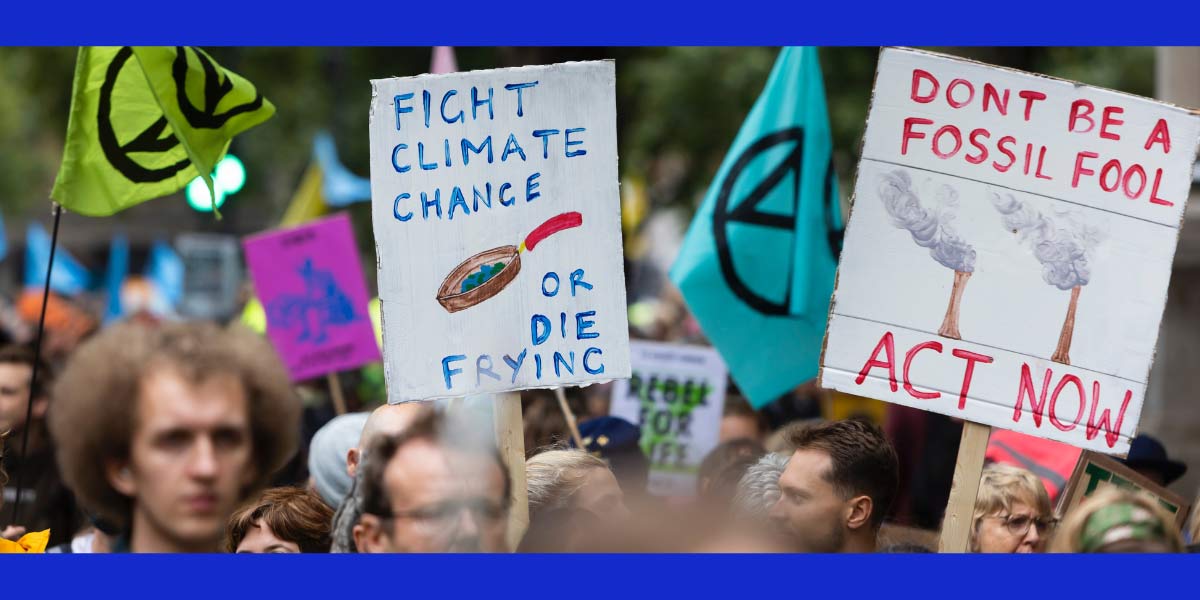
Another day in Aussie politics.
New South Wales has officially passed new laws that’ll see tougher penalties on protests.
It’s put a big question mark on how climate strikes and demonstrations will look in the state going forward, with human rights groups saying it will hurt democracy.
Here’s everything we know about it so far:
What are the penalties?
People could be fined up to $22,000 and/or jailed for a maximum of two years.
This will apply to protests at “major facilities" disrupting roads, rail lines, tunnels, bridges, industrial estates, and ports.
It’s an expansion of previous legislation, which covered disruption on major bridges or tunnels.
The bill cleared both houses on Friday, with support from Labor and the crossbench.
The Greens opposed and tried to amend parts of the laws saying they “undermine the right to peaceful protest, and targeted those whose causes did not fall into narrow union-led actions.”
What protests will be targeted?
Attorney-General Mark Speakman said the laws applied to activities that "shut down major economic activity."
Put simply – the laws don’t ban protests altogether. They apply mostly to “disruptive”, unauthorised protests.
“A number of peaceful, COVID-safe protests haven't been authorised in NSW in recent years, and organisers have had to go to court for approval,” she added.
Mr Speakman also said the new laws were not designed to block action such as the NSW Nurses and Midwives Association's mass strike last week.
Why has the NSW Government done this?
The quick turnover of the laws passing comes as a direct response to recent climate protests, with a string of demonstrations by climate activists in the state last month.
In particular, members of Blockade Australia staged protests on bridges, roads, freight rail lines and a crane to call for greater action on climate change.
They’ve declared they’ll continue to do so despite the laws and several of their demonstrators facing prison.
Mark Speakman said the state government was "on the side of climate change action" but not protesters "who would wish to bring this city to a halt."
What are people saying?
Several member groups, including the Aboriginal Legal Service, condemned the laws.
"For marginalised communities, public protests enable us to be seen and heard, even - and especially - when those in power would rather suppress our voices," ALS NSW/ACT chair Mark Davies said.
Despite the pushback and concern, it seems the new legislation, at least for now, is here to stay.
Header Image: Centre for Ageing Better via Pexels
Topics
Ref: 15a7d5b0-9518-4781-8001-ae6d005ed0fd





Comments & Feedback
Share your opinion
Emoji cheatsheet Formatting Comment guidelines