The Truth About Relationships: Navigating Life and Love with ADHD
Would you be understanding if your partner didn’t reply to your text for three days? What if they left things behind and forgot about plans?
In the media’s widespread depictions of couples, these might often be considered ‘red flags’. But among neurodivergent people, specifically those with ADHD, they’re very real parts of life. And it doesn’t make dating easy.
That’s never a reason to turn a blind eye. Aimee and Jae, both 22-years old, have been dating for two months and are both diagnosed with ADHD. Rather than letting their symptoms hinder their relationship, it’s only made them stronger.
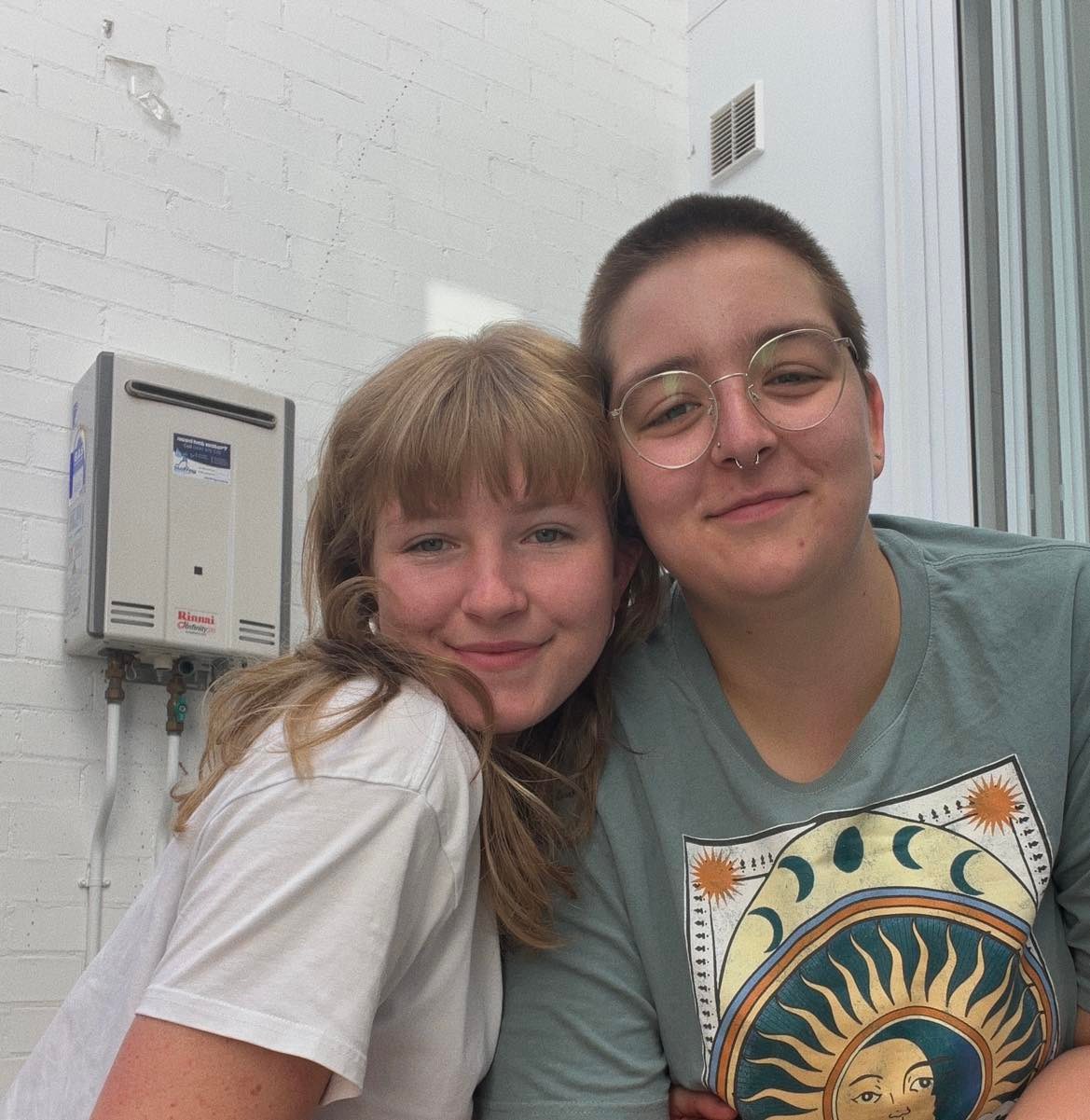
After all—dipping into someone else’s mind is one of the most beautiful things about dating.
We chatted to the pair about how they navigate life and love with ADHD, for the final piece in our February Series.
What is it like to have ADHD?
For both Aimee and Jae, ‘executive dysfunction’ is one of the biggest aspects of living with ADHD.
“Basically, anything that should take a person five minutes, takes me half an hour,” Aimee explained. “It’s that kind of knowing you need to do something... but not being able to get yourself into the right head space to do it.”
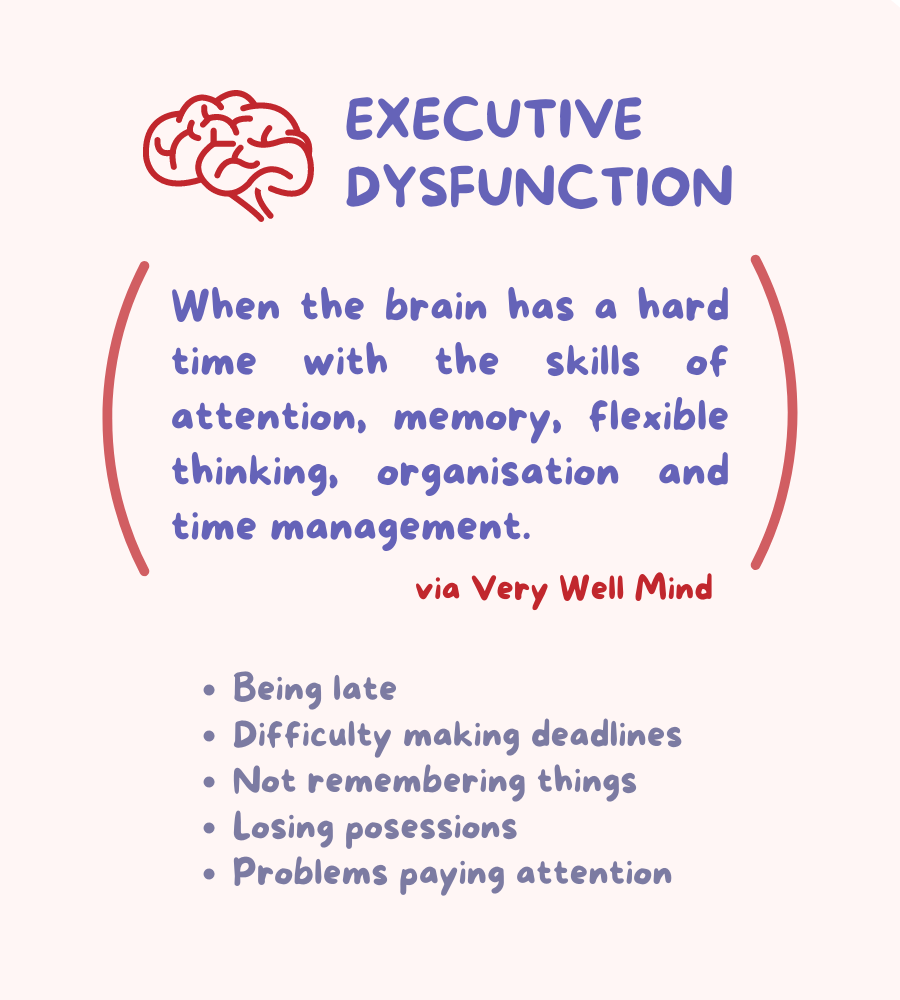
Jae described it as being like “a really bad paralysis”.
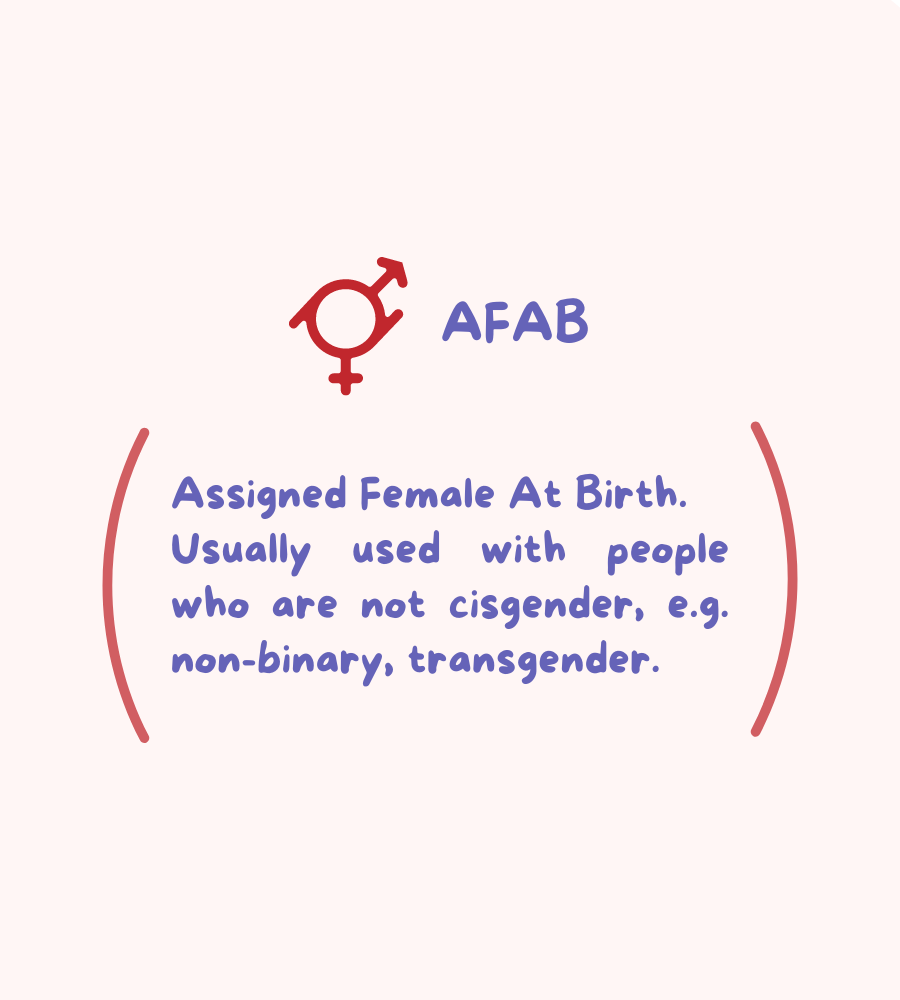
“I used to think I was really lazy, because that’s a lot of the rhetoric that surrounds AFAB people,” they said. “Transitions are really hard. Having to move from one thing to the next can be really paralysing.”
This could look like having to find an email for work, but then getting distracted replying to emails for 15 minutes before remembering what the original task was.
“I think the lack of dopamine in your brain means you’ll often jump from one thing to another,” Aimee described.
Is ADHD different to what people perceive it to be?
It can be frustrating for Aimee and Jae to hear neurotypical people throw around phrases like, ‘I’m a bit ADHD today.’
“We don’t get to have just one day of ADHD,” Jae explained, “we have it every day.”
Aimee added, “we’re trying so hard to keep up in a world that wasn’t designed for us. It’s exhausting trying to understand how (neurotypical) people accomplish things in their day.”
What’s it like navigating friendships and relationships?
Aimee described herself as a “massive flake” and can sometimes reply to people’s texts in her head. “I’ve had romantic encounters slide because I haven’t replied to their text, and they’ve lost interest.”
Jae notes that having a lot of friends who have some form of neurodivergence makes it easier.
“A lot of us just know that maybe we won’t reply. It might take three to five business days for me to reply.”
On top of this, Aimee explained that a lot of people with ADHD have severe anxiety and worry about how others perceive them. This is called ‘rejection sensitivity dysphoria’.
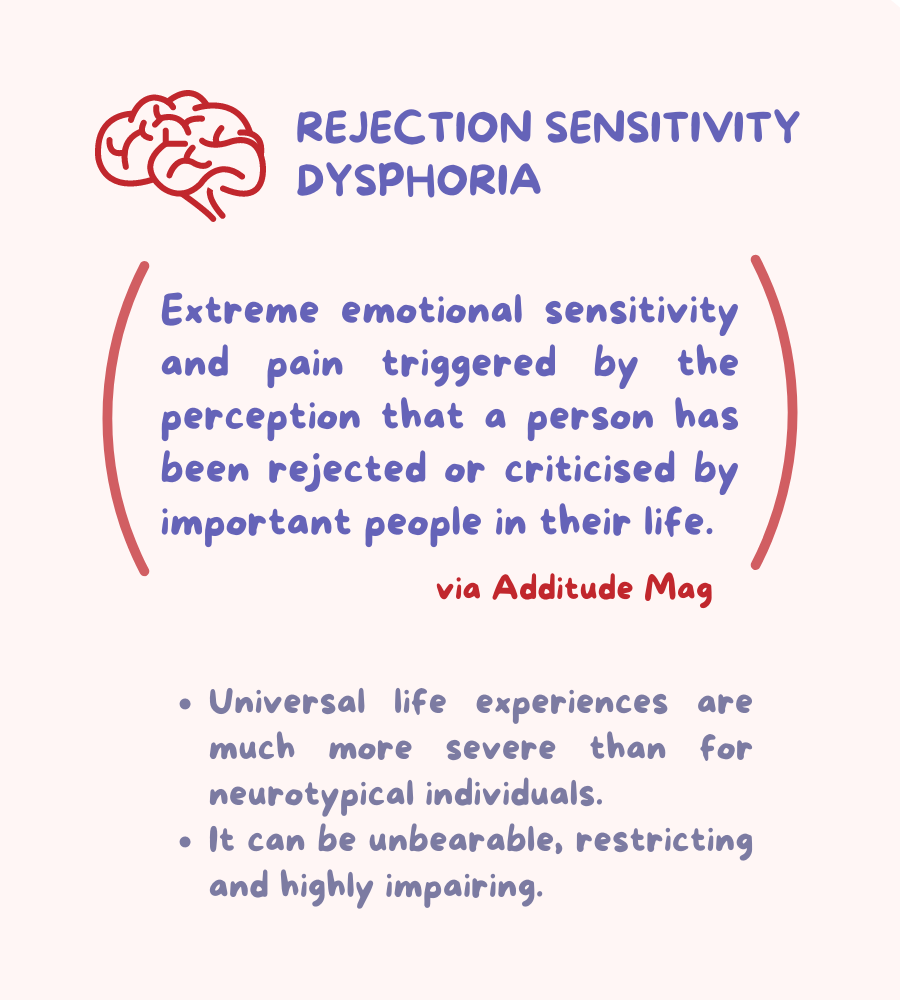
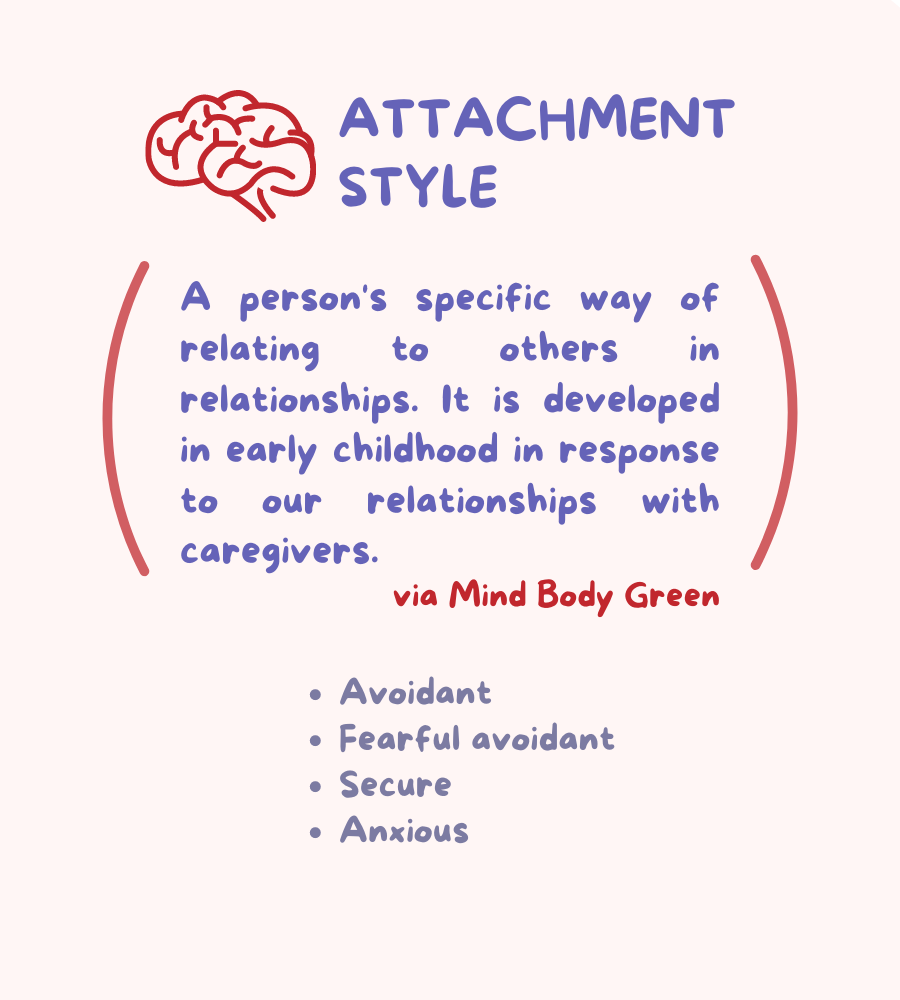
This can also change depending on your attachment style. For Aimee, she said “someone could set a reasonable boundary and I’d take it so incredibly personally.”
“Things have been real pet peeves for partners I’ve had that aren’t neurodivergent,” Aimee continued.
“Being driven by impulse can come off as quirky and fun, like I’m an outgoing person and spontaneous, but the backdoor of that is it can make people exhausted.”
How have you both navigated each other’s neurodivergence?
Patience, understanding, and communication reign supreme.
“We ask each other if we’re okay an exorbitant amount of times,” Aimee laughed. “Jae is hyperaware of my emotions which is beautiful. Sometimes it’s like, I just yawned!”
Jae agreed. “Yeah, it’s excessive, but it has to be…we have to be blunt with each other sometimes and be like, ‘I need you to tell me what you need’. It never feels unromantic or anything.”
Aimee added that people with ADHD tend not to think about the future or consequence, so it’s important to be patient if someone is a bit reckless or clumsy.
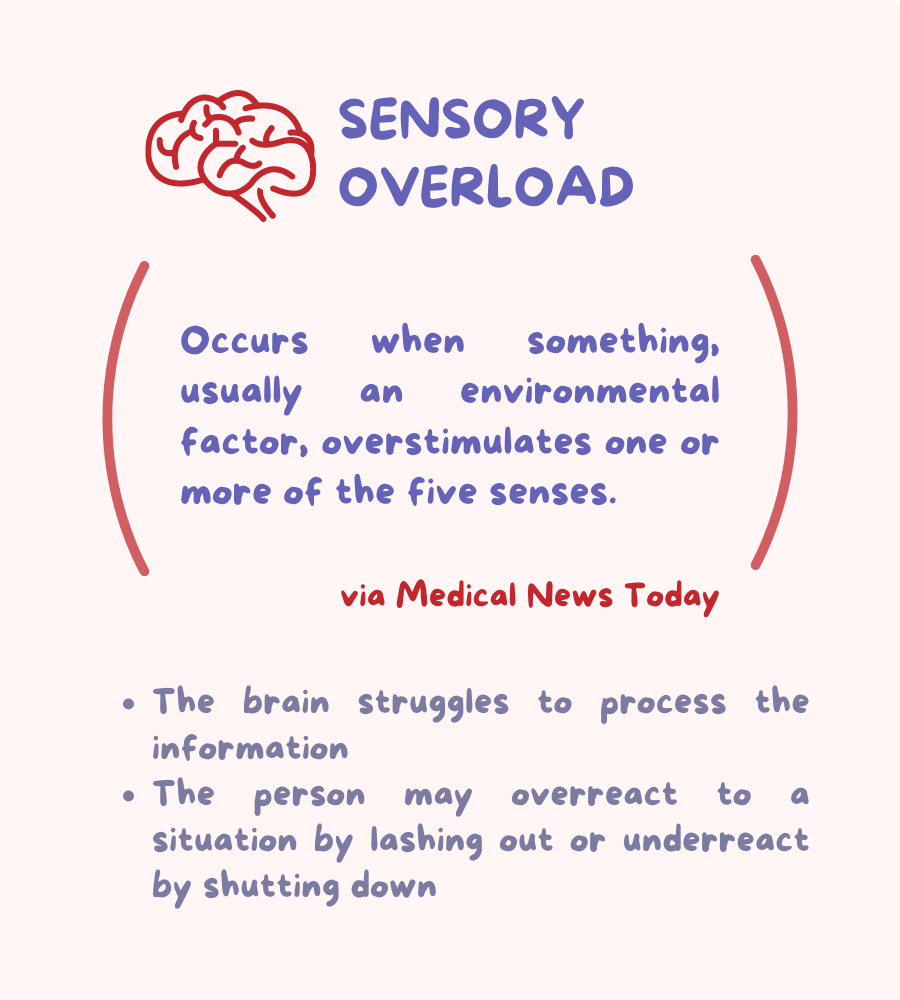
It’s also integral to establish what each other’s triggers are. People with ADHD often experience sensory overload, so their partners need to understand how to react.
What advice would you give to someone trying to understand their neurodivergent partner?
Before the question even finished, Aimee and Jae both responded with the repeated and resounding response of “be patient”.
“They’re trying to navigate a really challenging world,” Aimee said. “That’s really exhausting for them. Be patient. I can’t stress that enough.”
Jae said while open communication is great in any relationship, if you’re dating someone who is neurodivergent “you have to be open to big chats.”
“Dating someone with ADHD is the best thing that I’ve ever experienced,” Aimee said. “ADHD brains are God tier. The way that Jae and I just click because we understand what we’re both thinking and feeling.”
“Just do some research! There is so much information on the internet,” Jae added.
For more information on ADHD, Aimee and Jae recommend ADDitude Magazine. You can read more on neurodivergence in some of our other articles below and be sure to check out our whole February Series for our wrap on relos!
- How to Get Extra Support at Uni If You Have a Disability or Medical Condition
- How Should Schools Support Students Experiencing Anxiety and Depression
- A Member's Tale of Overcoming Depression
Header image: Canva.