Movie Review: There Is No Preparing for "The Nightingale"
Trigger Warning: This article discusses rape.
If ever a rave review was to also serve as a consumer warning, it’s now, for The Nightingale.
I sat in a shell-shocked audience that emitted pained groans; one woman fled the cinema in tears. This isn’t to talk you out of seeing director Jennifer Kent’s gruelling follow-up to The Babadook. Her second feature is a powerful, necessary and at times beautiful retelling of Australia’s vicious past. But there’s no point trying to trick unsuspecting patrons into the theatre; they won’t stay long anyway.
The Nightingale requires a steely stomach, a willingness to excavate long-buried historical wrongs, and an appreciation for movies that prick your nerve endings (and for good reason). Even then, viewers who know what they’re in for will still likely be rocked by what Kent’s putting on show. It’s gotta be seen. And yet, you need to sincerely consider whether you should.
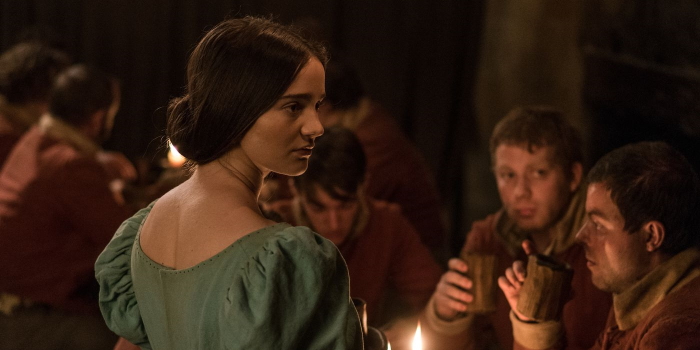
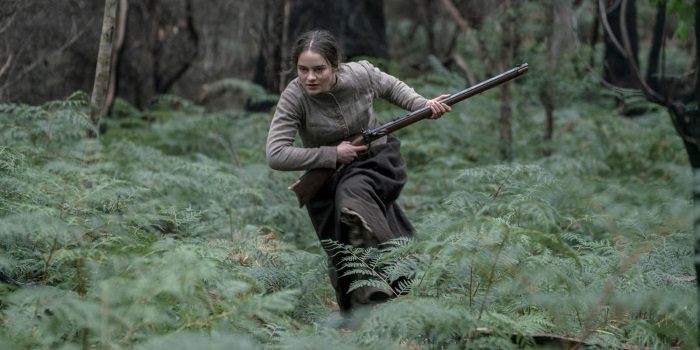
It takes place in Van Diemen’s Land, which is the nightmarishly evocative name European settlers gave to the island we now call Tasmania during colonisation. Set in the year 1825, it opens on Irish convict Clare (Aisling Franciosi) preparing to sing at a celebratory dinner of British officers. They call her 'The Nightingale', because of her Gaeilge lilt, and certainly not because she shares a bird’s freedom. Only Officer Hawkins (Sam Claflin) can grant that, but instead, he assaults her when she requests a release. Clare’s husband Aidan (Michael Sheasby) then strikes Hawkins, who later takes his revenge at their home with cronies in tow. What follows is an ordeal that only Clare survives, and that only some viewers will be able to bear.
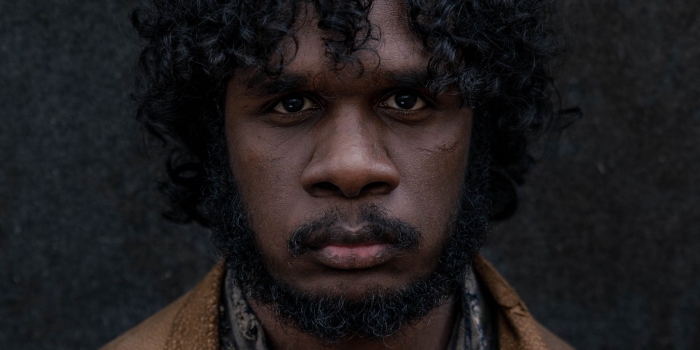
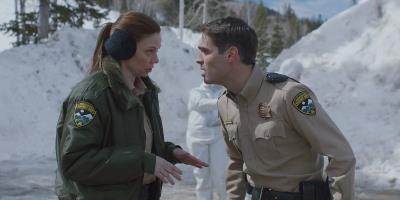
Kent, who wrote the screenplay too, was subjected to criticism at the Sydney Film Festival (and a disgusting sledge at the Venice Film Festival premiere) precisely because of this sequence. However, she treads a fine line with what follows. It’d be easy to call The Nightingale a rape-revenge fantasy; part of a long lineage of flicks that have alternatively been described as trailblazing feminist touchstones and regressive, dehumanising schlock. But as Clare chases down Hawkins across the Tasmanian wilderness like a typical action heroine, her journey shifts in meaning. She partners with Aboriginal tracker Billy (Baykali Ganambarr), who understands the pain caused by settlers in Australia better than any imported convicts. Together, they witness more and more of the carnage wrought by Hawkins and men like him against Indigenous people. By the end of The Nightingale, it’s Billy with the vendetta to settle.
Kent’s invented Babadook is appreciated today as a queer icon, but you shouldn’t forget the bone-chilling quality of that monstrous allegory; a shadowy figure representing enveloping grief and the abyss of mental illness, with its curled finger beckoning towards filicide. That Aussie masterpiece regularly bathed star Essie Davis in darkness, and Kent’s skill behind the camera was immediately clear. Simply put, The Babadook was super scary. The Nightingale is… something else. The dread is the same. However, there is no becoming desensitised to The Nightingale; no cute reframing of its villains as allies. That means confronting the very nature of our heritage.
Claflin’s unwavering performance as a small, fearful man with too much power deserves acclaim, though he will become despised for Hawkins’ unrelenting cruelty (the same goes for his co-star Damon Herriman). Franciosi and Ganambarr, who endure the most torment and give all of themselves, have a spiky rapport that softens throughout the film, and each find ways to transcend the hell of Hawkins’ making.
It’s interesting that, in 2019, two of the year’s best pictures are going in on the legacy of European settlement (the other being The Australian Dream), with the veil that’s obscured the violence against women, convicts and Aboriginal Australians finally being dropped. (I was reminded of Peter Weir's Picnic at Hanging Rock, which similarly contrasted the constraints put on women at the time with the treatment of Australia's First Peoples, as the English come to realise they will never truly know this land.) That’s what makes The Nightingale 'necessary', and also what makes it such a gut-churning watch. Jed Kurzel, who has provided plenty of droning, bowel-rupturing scores (like in Snowtown) adds to the effect, and the boxy 1.33:1 aspect ratio seems to suggest that all these protagonists are imprisoned, even in the great open expanse of the Australian wild. Viewers, on the other hand, are free to leave. But just because you’re no longer watching the movie doesn’t mean it didn’t happen.
4.5/5
The Nightingale arrives in Australian cinemas 29 August. Rated MA15+ for strong sexual violence, violence, themes and coarse language.
Header Image: Transmission Films
Topics
Ref: 2a0e6deb-8612-4b45-9090-aaab00367ac1



Comments & Feedback
Share your opinion
Emoji cheatsheet Formatting Comment guidelines