Could Your Mate Be Experiencing Modern Homelessness? Here’s How to Tell

How to help your friends experiencing modern homelessness.
This article is in sponsorship with Home in Place.
You might not think homelessness has much to do with being a student. But in reality, it can impact us in more ways than we realise.
Homelessness is also becoming more common. It could be your local barista, your friend doing unpaid prac at uni, or a classmate. And recognising if a friend is experiencing modern homelessness can be challenging but there are signs you can look for to see if they need help.
Students, apprentices and young workers are becoming more vulnerable to housing instability due to the high cost of living and limited affordable housing options.
And nearly a quarter of Australia’s homeless population are aged from 12 to 24 years. Homelessness isn't just about sleeping on the streets — it’s a reality that thousands of young Australians are facing in different ways. For many, it means crashing on couches, living in temporary setups, or even sleeping in cars. Despite their best efforts to get by, the lack of affordable rentals and sky-high house prices are making it harder than ever to find stability. It’s a tough situation, and too many young people are being shut out of a place to call home.
Here are a few things you can pay attention to if you’re worried one of your mates might be affected by modern homelessness.
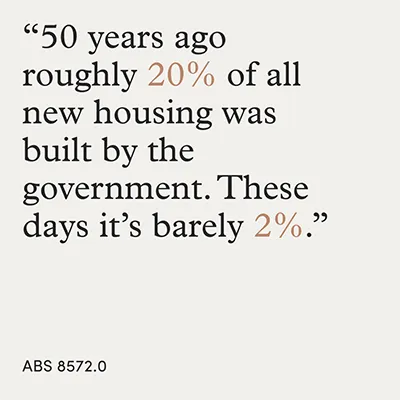
Source: ABS, retrieved from Home in Place
Are they staying in unusual places or couch surfing?
Maybe you are noticing your friend moving around a lot or staying with different family or friends. They could be staying in temporary accommodation, couch surfing, or living in overcrowded conditions.
Has their behaviour changed?
Maybe you noticed a mate acting differently lately. You might have noticed signs of anxiety or depression. Maybe they have started withdrawing from social activities, or seem constantly stressed out. They could also be showing signs through their behaviour like if they're having chronic hunger, fatigue, feeling overwhelmed and lashing out. Homelessness can also lead to bad physical and mental health. Your mate may be wearing the same clothes repeatedly or showing signs of poor hygiene like not showering for days or not brushing their teeth – meaning they don’t have access to basic facilities.
Are they frequently moving?
Frequent moving and avoiding inviting people to their home can often be a sign that your mate is struggling to find secure housing. Pay attention to the things that they say like talking about struggling to find stable housing, saying that they’re going through a tough time, or they feel like they have nowhere to go.
It’s important to listen without judgement and respect your friend’s boundaries.
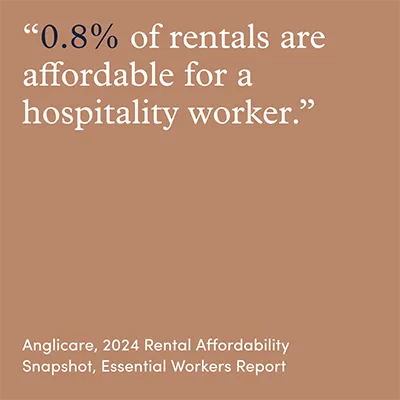
Source: Anglicare, 2024 Rental Affordability Snapshot, Essential Workers Report retrieved from Home in Place
Are they frequently missing school or work?
Check in with your friends on how they’re going with work and school. Take note if your mates are missing from school or seem like they have a lack of preparation, completing assignments and keeping up with their workload.
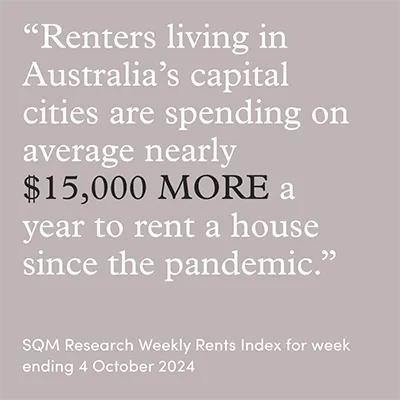 Source: SQM Research Weekly Rents Index for week ending 4 October 2024 retrieved from Home in Place
Our mates at Home in Place are committed to taking action. They have two asks of the government - implement a National Housing Strategy and commit 2 per cent of the Federal Government Budget to funding it. You can show your support by taking action and sharing their campaign on modern homelessness with your friends, family and colleagues so they can become more aware as to what modern homelessness actually is.
If you want to take a stand, don't stop there: you can contact your local Member of Parliament. Head to the bottom of the Home in Place website to fill out a form and email your Member of Parliament, telling them your thoughts. Home in Place will even help you with a script you can tailor to send out.
And if you, or someone you know is experiencing or at risk of homelessness, you can find out how to access emergency accommodation by visiting the Home in Place website.
Want more info on modern homelessness? Head to Home in Place.
Image Header: Pro Bono Australia





Comments & Feedback
Share your opinion
Emoji cheatsheet Formatting Comment guidelines