Meet the Disability Advocate Fighting For Inclusive Medical Schools
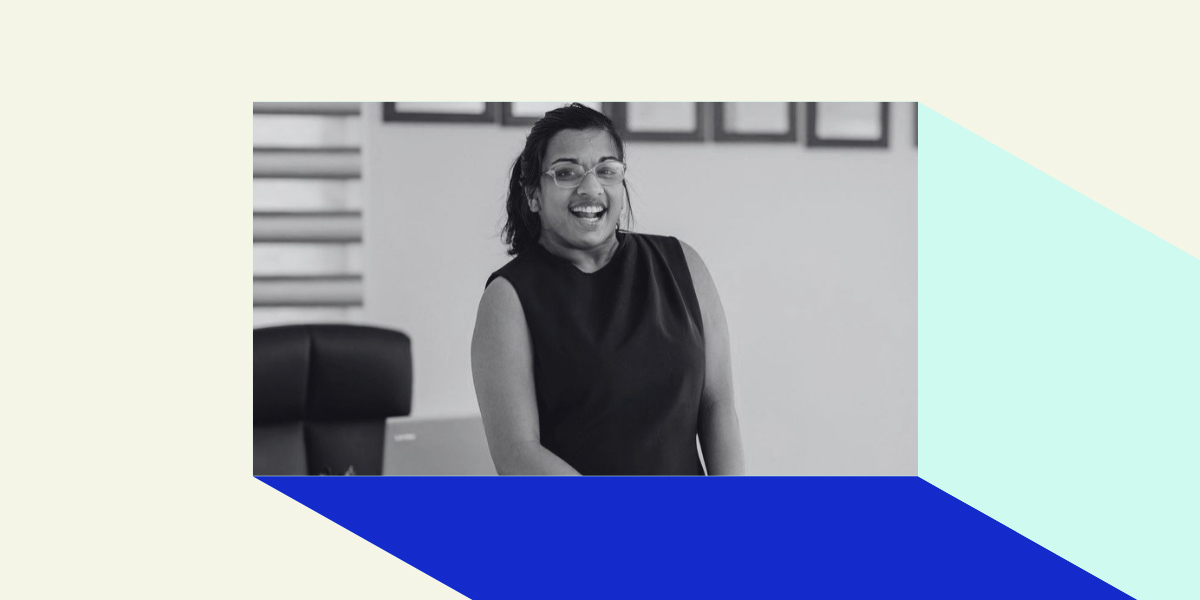
"Why not? I might have some challenges, but those challenges can be overcome."
Jerusha Mather dreams of being a doctor, but no medical school will accept her.
It’s not by lack of trying or lack of merit – she’s a neuroscientist, honours graduate, and a PhD candidate.
But Jerusha lives with cerebral palsy, and as a child, she was told she might never walk or talk. Out of all the doctors she’s met over the years, none of them have looked like her.
She says medical colleges in Australia make it very hard for people like her to get accepted.
We caught up with Jerusha to talk about her experience, and what she wants to change.
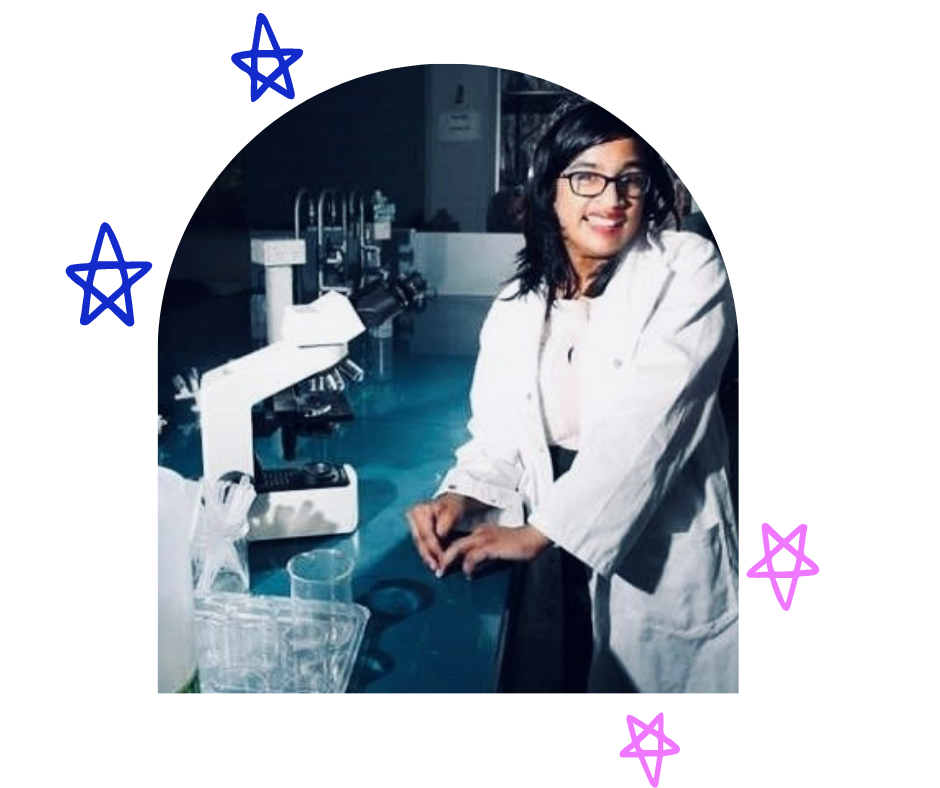
“These tests are really hard for anyone to do, let alone someone with a disability.”
Jerusha says there are a lot of barriers and discrimination involved in studying to become a doctor in Australia.
Getting into medical college requires passing the standardised GAMSAT or MCAT test, infamous for being super difficult, even for able-bodied people.
They require extensive writing and reading to quick time frames, plus, they’re hard to prepare for because you don’t really know what to expect.
For Jerusha, her cerebral palsy moderately impacts her movement and speech. This makes tests like the GAMSAT near-impossible for her, even with assistance, because of her difficulty with handwriting and speed reading.
She says she has what it takes, and this shouldn’t be the factor that keeps her from being a doctor, because “a person with a disability can still complete the task, but in a different way.”
“There are many faculties in medicine that can accommodate people with disabilities.”
Jerusha says there are many specialties in medicine that can, and are willing to, welcome people with disabilities. This was backed up in a 2019 study.
She cites radiology, dermatology, psychiatry, pathology, and rehabilitation medicine as areas doctors with a disability can successfully practice with support and assistive technology to bridge the gap.
She just wishes the people who dictate medical admissions would listen.
“I think society needs to see more doctors with disabilities. In all disciplines, for that matter, there needs to be more representation,” she says.
“I would love to help people.”
Jerusha gets asked a lot why she wants to be a doctor and not just a scientist. What it comes down to for her, is wanting to be around people.
She says seeing a doctor like her as a child would’ve been life-changing because they would’ve had a lived understanding of her situation.
Jerusha believes her love for people and learning about medicine, alongside her lived experience and empathy, will make her a really great doctor, “especially when I’m willing to put in the work,” she says.
In 2019, Jerusha wrote in Bupa: “When we give someone with a disability a chance to become a doctor and support them, we all win because we are producing caring and compassionate doctors that I bet will make a great mark in medical history.”
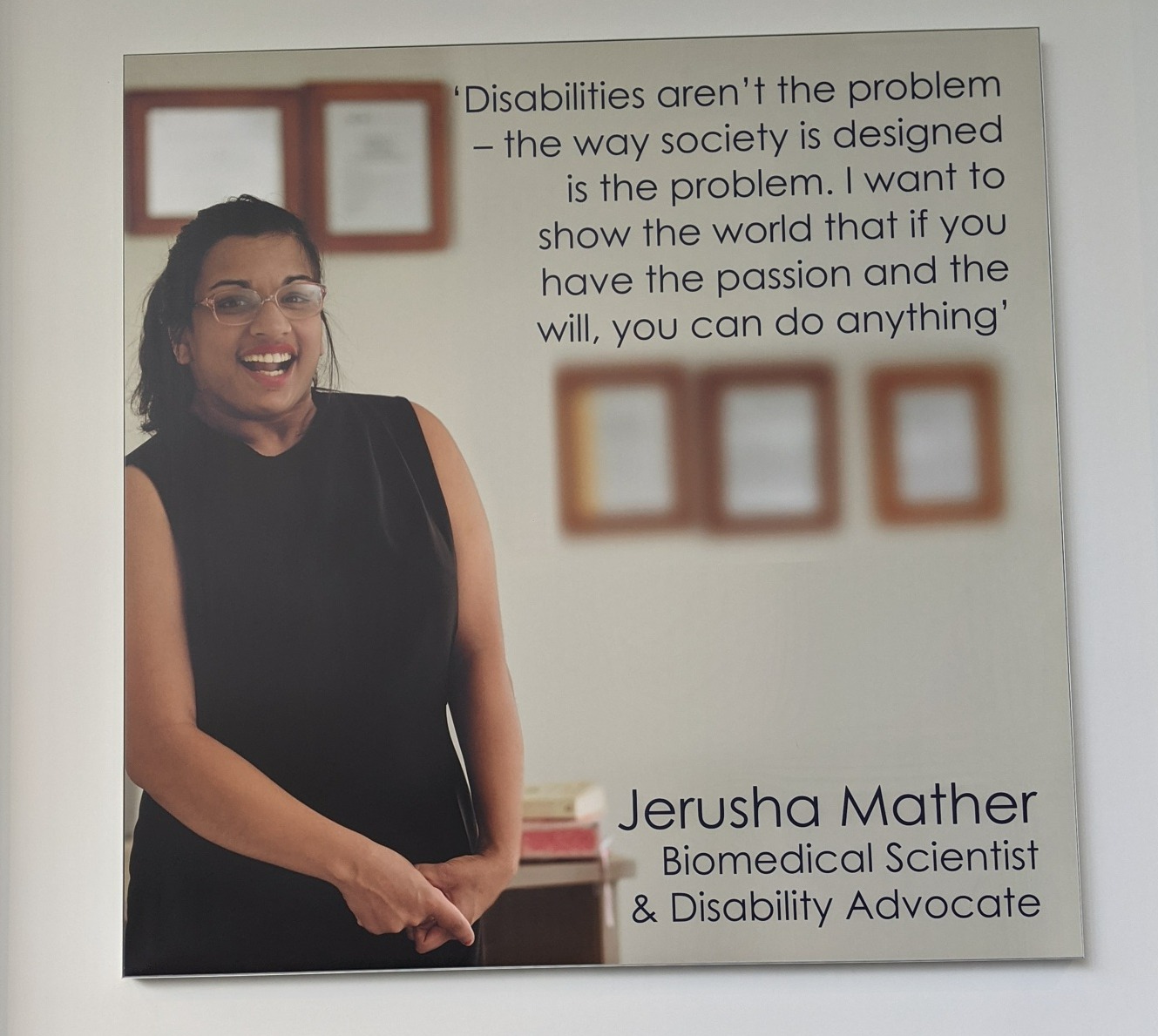
Image via Twitter.
“It’s really sad when people put me in that box.”
Jerusha calls her studying journey a long and hard one. She’s honoured to be one of the first people in Australia with cerebral palsy to undertake years of academic and medical training towards becoming a doctor.
But, what she’s most proud of is, “being able to stand up for the human rights of people with disabilities, and make universities, schools and more accountable in supporting them,” she says.
“I’m hopeful one day people understand, and hopefully that’s one day soon,” she says.
Be sure to add your signature to Jerusha's petition for more inclusive medical colleges. It's quick, and every name counts.
Header image: Supplied.
Topics
Ref: 807d55b6-18d8-4213-b9ef-ae70003c9e13



Comments & Feedback
Share your opinion
Emoji cheatsheet Formatting Comment guidelines