There Are Plans to Put Giant Liveable Habitats on The Moon and Mars, So Put Me in A Rocket Ship Right Now
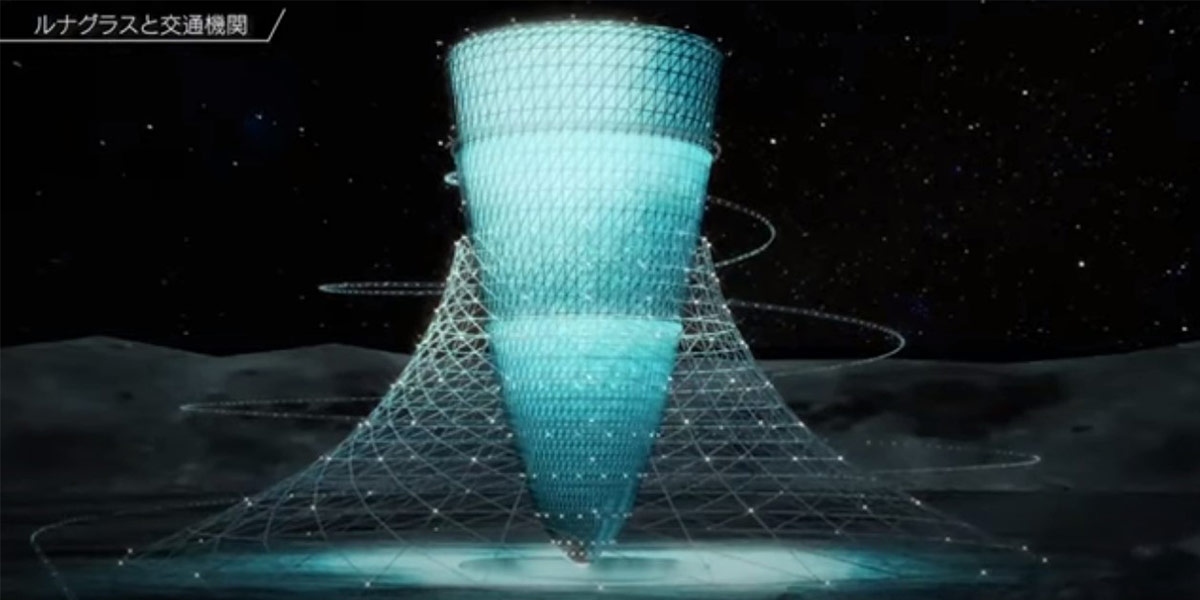
Turns out we’ll have to live another 100 years to see it for ourselves though.
There’s been a lot of talk about space recently.
NASA just published some insane images from the most powerful space-based observatory ever built, the James Webb telescope.
If you haven’t already checked them out, you should because they are breathtaking and will make you question your existence on our lil Earth.
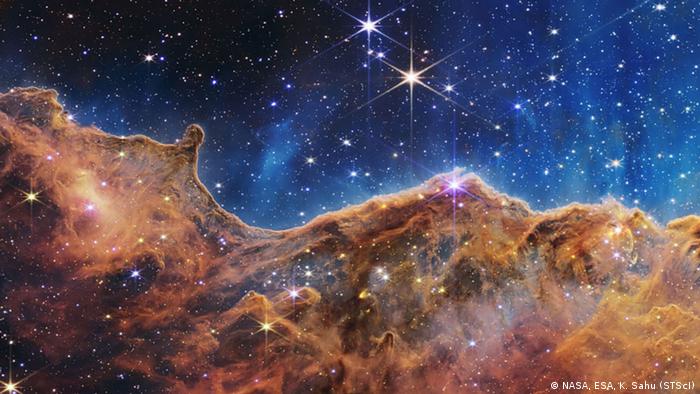 Photo: NASA.
But some news you might not have heard is that Japanese researchers have revealed their plans for massive artificial-gravity buildings that could sustain life on Mars and the moon.
They aren’t the first to propose ideas to live on the moon, but they might just be the best ones we’ve seen yet.
According to Mashable, it’s a 1,300-foot tall rotating structure called ‘The Glass’ designed to rotate every 20 seconds using centrifugal force (we don’t know what that is either) to achieve “normal gravity”.
It’s literally like something out of a sci-fi movie—artificial gravity facilities that recreate Earth’s living conditions.
Kyoto University and Kajima Corp. researchers are the brains behind the idea for a ‘Lunar Glass’ on the moon and a ‘Mars Glass’ on Mars.
According to The Asahi Shimbun, the plan also includes a transport system known as the ‘Hexagon Space Track System’ to allow for space travel between Earth, the moon and Mars.
It’ll be as big as a bullet train, be launched by rocket engines and will stop at stations built on satellites orbiting the Earth, the moon and Mars.
Before you get too excited that all your Guardians of the Galaxy dreams are coming true, we’ve got a while to wait.

Like, more than a whole lifetime—over 100 years at a guess.
That’s due to a slight problem with, um, low gravity specifics. Details, right?!
Kajima Corp. Senior Researcher, Takuya Ohno, said in a press statement that they needed to reduce the impact of low gravity on the health of people living outside of Earth... which NASA studies say can include bone loss, back pain and kidney stones. Yikes.
“As the idea of living in space becomes more realistic, the problem with the low gravity, which I intuitively became aware of when I was a child, is an issue we must overcome… We are committed to achieving the plan so it will be useful for human beings.”
But, The Asahi Shimbun reported that a simplified version of The Glass could be on the moon by 2050. That’s less than three decades to wait!
Header Image: Kajima Corp via YouTube.
Topics
Ref: e661a37f-b5a4-4b06-aaf0-aed10054a867




Comments & Feedback
Share your opinion
Emoji cheatsheet Formatting Comment guidelines