Read This Article Before You Sign Your Rental/Lease Agreement
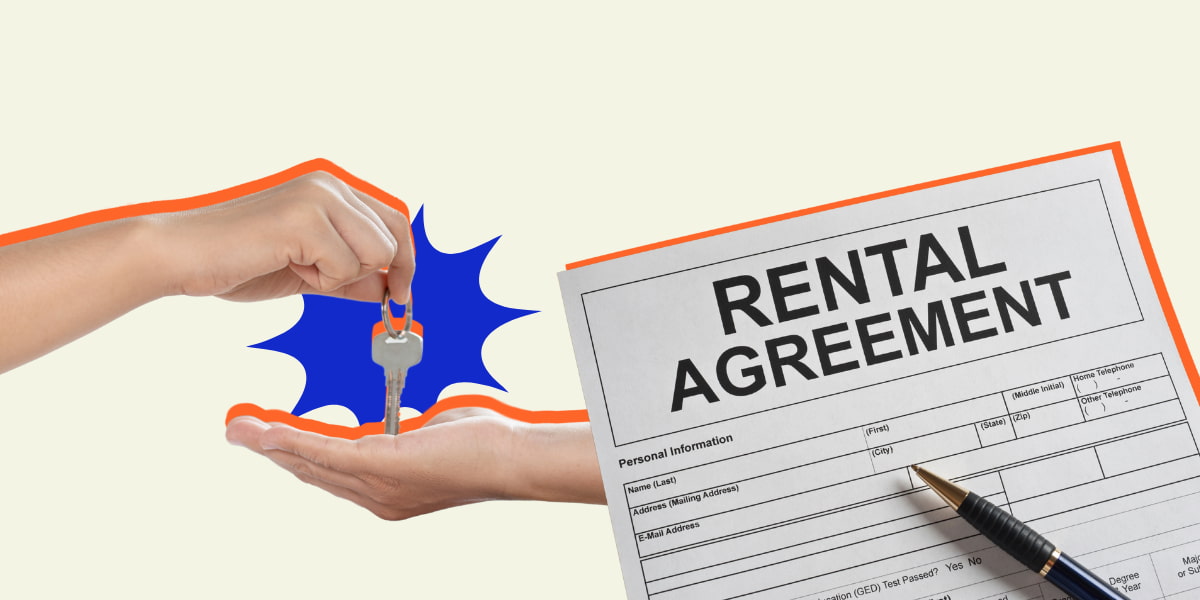
Learn how to read the jargon before moving into a new place 🏠
This article is part of our series 'What You Wish You Knew as a Student'. You might find in-article games where you could play to win. To read more articles from this series and find more games, head here.
Whether it’s your first time moving out of home or you’re looking to get into a new rental with someone you found on Flatmates, it’s crucial to understand how to read a rental or lease agreement and make sure you understand what you’re signing.
We’ll go through the important stuff that you need to know so you know your rights as a renter and learn the important things to consider.
What’s the difference between leasing and renting?

Before moving into a rental, landlords typically require tenants to sign agreements. A lease is a contract that grants the use of an asset, such as a house or apartment. The contractual agreement is normally for six or 12 months in exchange for regular payments.
Renting is a tenant periodically paying a landlord or property owner money to live in a house or apartment and usually has more flexibility than a lease.
Renting a property means you’re paying a landlord to live in their property while leasing a property means the owner has agreed to give you access to an asset – in this case, a house or apartment.
How do residential property leases work?

The laws relating to renting and leasing can differ from state to state and it’s important to read up on which laws apply to you in the state you’re in.
In general, short-term contracts for a fixed period are the most common type of lease or rental agreement in Australia.
Types of rental/lease agreements.

Short-term fixed agreements typically last between six and 12 months but can be up to five years long.
Long-term fixed agreements are rental agreements of more than five years.
A Periodic (month-to-month) agreement doesn’t have an end date and can be terminated by either party with less notice than short-term or long-term agreements.
What’s on a residential tenancy agreement?
- The amount of rent due/when it’s due
- How the rent is paid
- The cost of the bond
- The length and type of tenancy
- Any specific building requirements, regulations or conditions
- Conditions around a broken lease or leaving before the lease expires
It’s a good idea to ask to review a copy of the agreement up to 24 hours before making any final decisions.
You can click on your state to learn about your rights and responsibilities as a renter. These are just some sources from government websites to get you started but it’s still important to do your own research if you have more specific questions.
What are some of the most important things to look for on a rental agreement?

These are all the things you want to confirm before you sign anything. Understand that you’re going to be paying for this so even if it’s your first time and you’re a bit nervous, know your rights as a tenant and remember to speak up if anything seems suspicious.
Ensure the names and contact details of both the tenant and the property manager are accurate.
Verify the details and description of the property matches your understanding and expectation (take a full video of your property BEFORE signing anything to prevent being blamed for property damage).
Note the start and end dates of the lease (fixed-term) or whether it’s a periodic agreement.
Confirm the rent amount, payment frequency (weekly, monthly, etc) and accepted payment methods are what you’ve previously discussed with the tenant or property manager.
Understand the bond amount, how it will be held, and the conditions for getting it back at the end of the lease.
Congrats on taking this big step in your life! It can be daunting and overwhelming but remember to read through every contract before you sign anything and make sure to keep multiple copies of important documents.
If you need help with bringing up an issue with your landlord and you feel like you’re not being treated fairly (or they’re doing something a bit dodge), you can check out resources from the government for students.
Topics
Ref: 16a953ba-ad14-416e-b81f-b3080042fc29






Comments & Feedback
Share your opinion
Emoji cheatsheet Formatting Comment guidelines