Laneway Is Skipping Cities. What’s Happening to Australia’s Live Entertainment Industry?
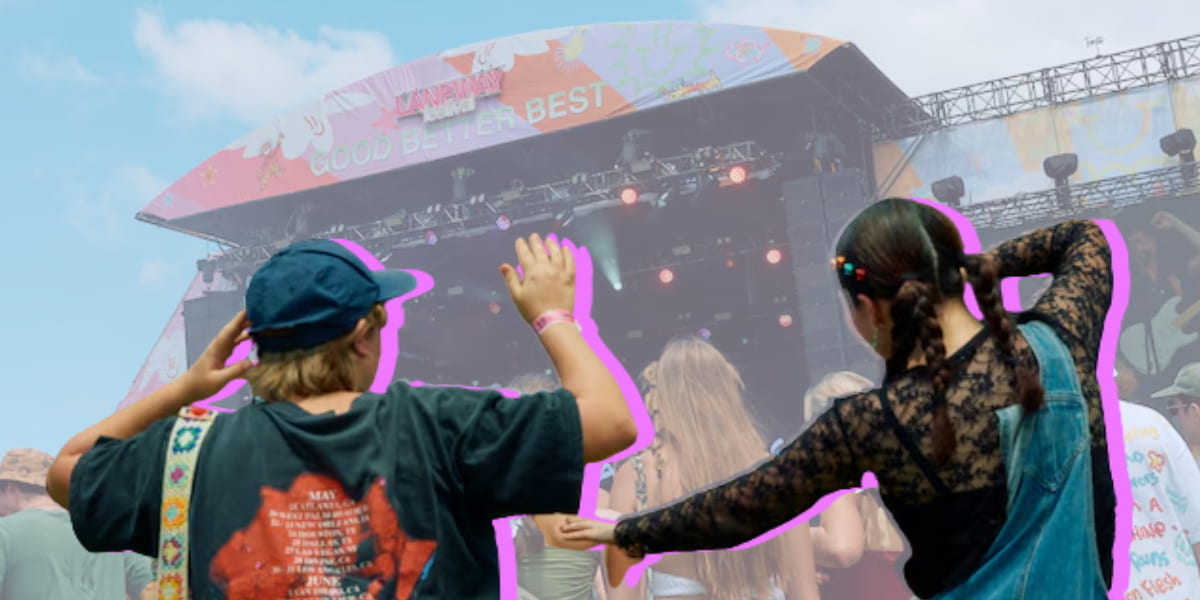
Why festivals, concerts and theatre shows are facing mounting pressure, and how some are finding ways to thrive.
If it feels like festival cancellations and rising ticket prices are becoming more common, you're not imagining it. Laneway festival's decision to skip two cities on its 2027 tour is the latest shake-up in Australia's live entertainment scene, raising fresh questions about where the industry is heading and what it means for fans.
Laneway's departure is part of a bigger trend.
Laneway festival has grown from a small Melbourne music event into one of Australia's biggest touring festivals. So, when organisers announced that Perth and Adelaide would be dropped from the 2027 tour, it sparked questions about the health of Australia's live entertainment industry.
In a statement posted to Instagram, organisers said the decision would allow them to focus on delivering the strongest possible festival while giving artists more opportunities to perform headline shows outside festival stops. While Laneway described the move as a "break" rather than a goodbye, it comes at a time when Australia's live entertainment sector is facing increasing pressure.
Major events including Splendour in the Grass, Falls Festival and Groovin the Moo have been cancelled or scaled back in recent years as organisers grapple with rising costs and softer ticket sales.
However, while festival cancellations often make headlines, the broader picture is more complex.
What’s happening to Australia’s festival scene?
laneway not doing shows in adelaide and perth in a time where we don’t have many concerts to begin with is so disappointing
— bee 卌 ໑̣ (@flagmantlee) August 10, 2026
The festival industry is appearing to climb back from the pandemic. Reports show Australia hosted 535 music festivals in 2022-23, averaging almost one and a half festivals every day. Victoria and New South Wales led the way, and electronic music was the country's most popular festival genre.
Festival attendance has also rebounded since the pandemic, but audience appears to be changing. People are buying tickets later, and 18 to 24-year-olds are attending festivals less frequently than before.
For many young Australians already dealing with cost-of-living pressures, spending hundreds of dollars on tickets, travel and accommodation is becoming increasingly difficult.
Organisers are also struggling with costs. Rising operational expenses, insurance premiums, extreme weather and complicated regulations are all making festivals more expensive and difficult to run.
But rising costs and changing audience habits don't tell the whole story. Interestingly, some festivals are still thriving.
It’s not all doom and gloom.
View this post on Instagram
Despite the challenges, Australia's festival industry isn't disappearing.
Events such as Beyond the Valley, Lost Paradise and CMC Rocks continue to draw strong crowds, with organisers attributing their success to listening closely to what audiences want.
Speaking to 9News, organisers said a focus on community, fan feedback, event experiences and data-driven programming has helped them stay relevant in a changing market.
Rather than relying solely on big-name headliners, some successful festivals are investing in the overall festival experience and tailoring their events to evolving audience habits.
It's not just festivals.
So sad about the Australian musical theatre industry, first beetlejuice and now waitress being cancelled?
— jess (@JSwiftieCats) June 28, 2026
The challenges facing Australia's live entertainment sector extend beyond music festivals. Several major stage productions, including Annie, Back to the Future, Beetlejuice and Waitress have ended early or had parts of their Australian tours cancelled in recent years.
Experts point to rising production and transport costs, while the theatre industry is still dealing with the long-term effects of the pandemic. COVID-19 disrupted the development of new productions around the world, resulting in fewer shows making their way to the stage.
However, like the festival industry, theatre's outlook isn't entirely bleak.
Productions that connect with audiences can still draw strong crowds. MJ the Musical, for example, recently completed a 532-performance Australian season, including sold-out runs in Brisbane and Perth.
Beyond entertaining audiences, the success of large-scale productions also provides a significant economic boost, supporting hundreds of jobs across areas including performance, music, construction, freight, marketing and event operations.
What happens now?

There’s no doubt that festival and theatre cancellations are disappointing for both fans and the wider entertainment industry. Beyond the loss of individual events, cancellations can affect artists, venues, suppliers and the many workers who help bring live entertainment to life.
However, the picture isn't entirely negative. While some events have struggled, others continue to sell out by building strong communities and adapting to changing audience expectations.
Their success shows that demand for live entertainment is still there, even as the industry navigates rising costs and shifting consumer habits.
As Australia's live entertainment sector continues to evolve, one thing is clear: listening to audiences and delivering memorable experiences will be key to keeping festivals, concerts and theatre productions thriving in the years ahead.
What can fans do?
Fans cannot solve the industry’s biggest challenges, and no one should feel pressured to spend money they don’t have. There are so many other ways to support your favourite artists, from pre-saving their music on streaming apps to sharing your favourite music with friends.
However, if you are interested in festival season, or keen to see some live shows, there are a few ways you can help festivals, concerts and theatre shows.
- Buy tickets early if you can. Early ticket sales give organisers greater confidence and help secure the funding needed for production, staffing and artist bookings.
- Support smaller events. Attending local gigs, niche festivals and independent theatre productions can help strengthen the live entertainment ecosystem, not just the biggest events on the calendar.
- Be a sustainable festivalgoer. Volunteering, reducing waste and cleaning up after yourself can help lower operational and environmental costs for organisers.
They may seem like small actions, but collectively they can make a big difference. Supporting live entertainment today helps ensure festivals, concerts and theatre productions can continue to thrive into the future.
Image credit: ABC
Topics
Ref: f7a4903b-ab13-484a-b46f-b4a30062ba90





Comments & Feedback
Share your opinion
Emoji cheatsheet Formatting Comment guidelines